How to Elevate Your Food Presentation at Home or Events
Food presentation is more than just arranging dishes on a plate it’s an art that transforms a meal into a memorable experience. Whether hosting an intimate dinner at home or organizing a large event, visually appealing food leaves a lasting impression on guests.
The way food is presented influences perception of taste, quality, and effort. A well-plated dish signals attention to detail, elevates the dining experience, and makes even simple meals feel special. This article explores techniques, tools, and creative tips to help you elevate your food presentation effortlessly.
The Psychology of Food Presentation
Humans naturally eat with their eyes first. The visual appeal of food plays a critical role in how it is perceived. Bright colors, contrasting textures, and thoughtful plating can make dishes more appetizing and exciting. Studies show that aesthetically pleasing meals can even enhance the perception of flavor.
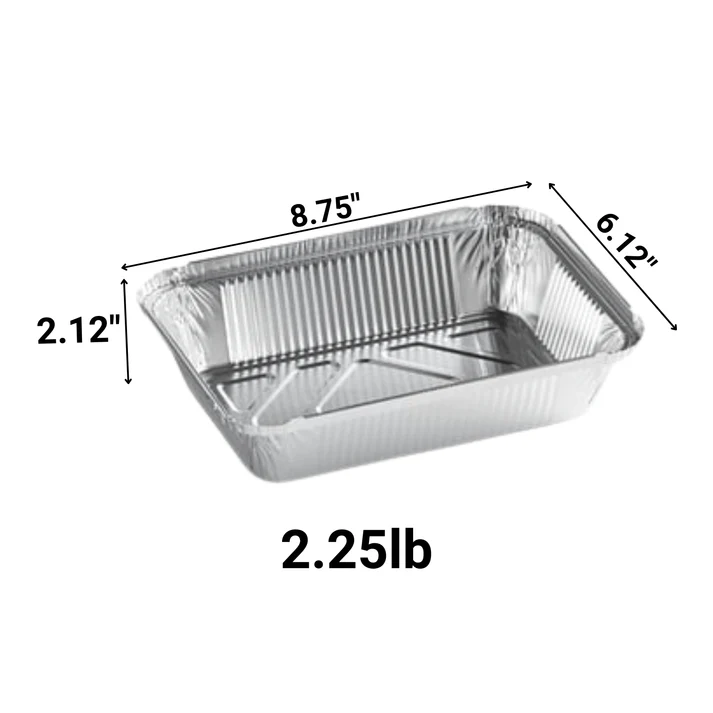
Using elegant serveware can further enhance the dining experience. For instance, gold aluminum pans provide a touch of sophistication and instantly upgrade buffet or home-cooked meals. The reflective surface catches light, highlighting the food’s colors while maintaining practicality for both cooking and serving.
Color balance is key: complementary hues on a plate create visual harmony, while layering ingredients can add depth and interest. The goal is to create a dish that is as beautiful to look at as it is to eat.
Choosing the Right Serveware
Serveware plays a central role in food presentation. Selecting trays, platters, and tiered stands that suit the style of your event can significantly enhance the visual appeal of your dishes. Materials such as ceramic, glass, and metal each have unique qualities: ceramics offer elegance, glass provides clarity and transparency, and metals add a sleek, modern touch.
For home parties or special events, using premium pans, bowls, or trays adds polish without extra effort. Matching the serveware to the theme or color scheme of the event ensures a cohesive and visually pleasing display. Serveware also affects how the food is accessed; arranging items thoughtfully can improve guest flow and make the presentation feel professional.
Plating Techniques
Plating is where creativity meets functionality. Layering ingredients, stacking components, or arranging items symmetrically can create visual intrigue. Height is particularly effective: taller presentations immediately catch the eye and make dishes appear more abundant.
Garnishing is another essential element. Fresh herbs, edible flowers, microgreens, and vibrant sauces add pops of color and texture. Balancing contrasting textures—creamy sauces with crunchy toppings, soft proteins with crisp vegetables—enhances both taste and aesthetics.
For events, consistent portion sizes and plating style maintain a polished, professional look across the buffet or dining table. Even small details, like aligning sauces or trimming garnishes, elevate the overall experience.
Table Layout and Buffet Design
The presentation isn’t limited to individual plates; the entire table should be visually appealing. Organizing tables with tiered stands, risers, and decorative elements maximizes space and creates focal points. Signature dishes should be highlighted, and lighting can enhance color and texture, making food more enticing.
Flow is critical in buffet setups. Placing frequently accessed items at the beginning and arranging dishes logically reduces congestion. Using elegant serving trays or specialized pans ensures that the table looks tidy while keeping food safe and accessible.
Food Styling Tips for Events
Coordinating food presentation with the theme or color scheme of the event creates a cohesive experience. Whether it’s a formal wedding or a casual backyard gathering, matching plating, serveware, and garnishes ensures harmony.
Consistency in serving size and presentation makes the buffet visually appealing. Small decorative touches, such as custom labels or themed garnishes, elevate the table without extra complexity. For hot dishes, durable options like gold aluminum pans can keep food both warm and stylishly displayed, maintaining quality throughout the event.
Tools and Accessories for Professional Presentation
Certain tools make elevating presentation much easier. Serving utensils, tongs, ladles, and spoons ensure clean and precise portioning. Chafing dishes, wire racks, and warming trays maintain food temperature while keeping the display polished.
Decorative liners, trays, and even gold aluminum pans add a professional touch to any meal. They are practical for reheating, serving, and maintaining presentation, especially for large gatherings or buffet-style setups. These simple additions allow hosts to focus on overall presentation without worrying about mess or inconsistent heat.
DIY and Creative Ideas
Elevating presentation doesn’t require expensive tools. Natural elements like wooden boards, leaves, or edible flowers add rustic charm. Miniature servings, tasting portions, or interactive plating stations allow guests to engage with food creatively.
Combining textures, colors, and heights visually enhances simple dishes. Experimenting with sauces, drizzles, or artistic garnishes can turn ordinary meals into memorable experiences. Even everyday home dinners can feel festive with attention to detail.
Conclusion
Food presentation is a powerful tool to enhance any meal, whether at home or during large events. From choosing elegant serveware and plating thoughtfully to organizing buffets and adding creative touches, every detail contributes to the overall dining experience.
Incorporating quality tools like gold aluminum pans, tiered stands, and decorative serveware ensures both functionality and sophistication. By combining these techniques with creativity and attention to detail, anyone can elevate their food presentation, impressing guests and turning every meal into a memorable event.
Categories
Read More
What is Granite? Definition, Uses, and Growth in the Granite Market Granite is a coarse-grained, natural igneous rock formed from the slow cooling of magma beneath the Earth’s surface. It is mainly composed of quartz, feldspar, and mica, which give it a distinctive speckled appearance along with high strength and durability. Granite is widely used in construction and architecture due...

The Pokémon TCG Pocket community is eagerly awaiting the launch of the upcoming mini set expansion, designated as a3b. Scheduled for release on June 26, 2025, at 6:00 am UTC, this set promises to introduce fresh gameplay options. Included with the release is a specially themed booster pack that highlights Eevee and its evolutions, along with additional new cards designed to bolster the...

Finding the perfect escape should be an exciting journey, not a stressful task. With so many islands and ships to explore, Maryland travelers need a guide they can rely on. Kay’s Discount Travel focuses on turning those many choices into a simple and joyful plan. As a local leader for residents in the city, our team works to make sure your time on the ocean is perfect from the start. We...
The catalog feels surprisingly large and slightly overwhelming at first glance. You see bracelets, raw stones, carved idols, and decorative pieces mixed together without perfect grouping. Many listings include basic descriptions, though some feel a bit too short for serious buyers. People searching for crystals will still find enough variety to explore calmly. Pricing looks mid-range compared...
The market research for the global Portable Battery Pack market is an accumulation of first-hand facts and quantitative and qualitative evaluation and analysis for the forecast period (2024-2032). The report offers a comprehensive assessment of macro-economic indicators, parent market trends, and several factors influencing the market dynamics. In addition, it also assesses the...