Ultrasound of 13 Weeks | Thirteen Week Ultrasound
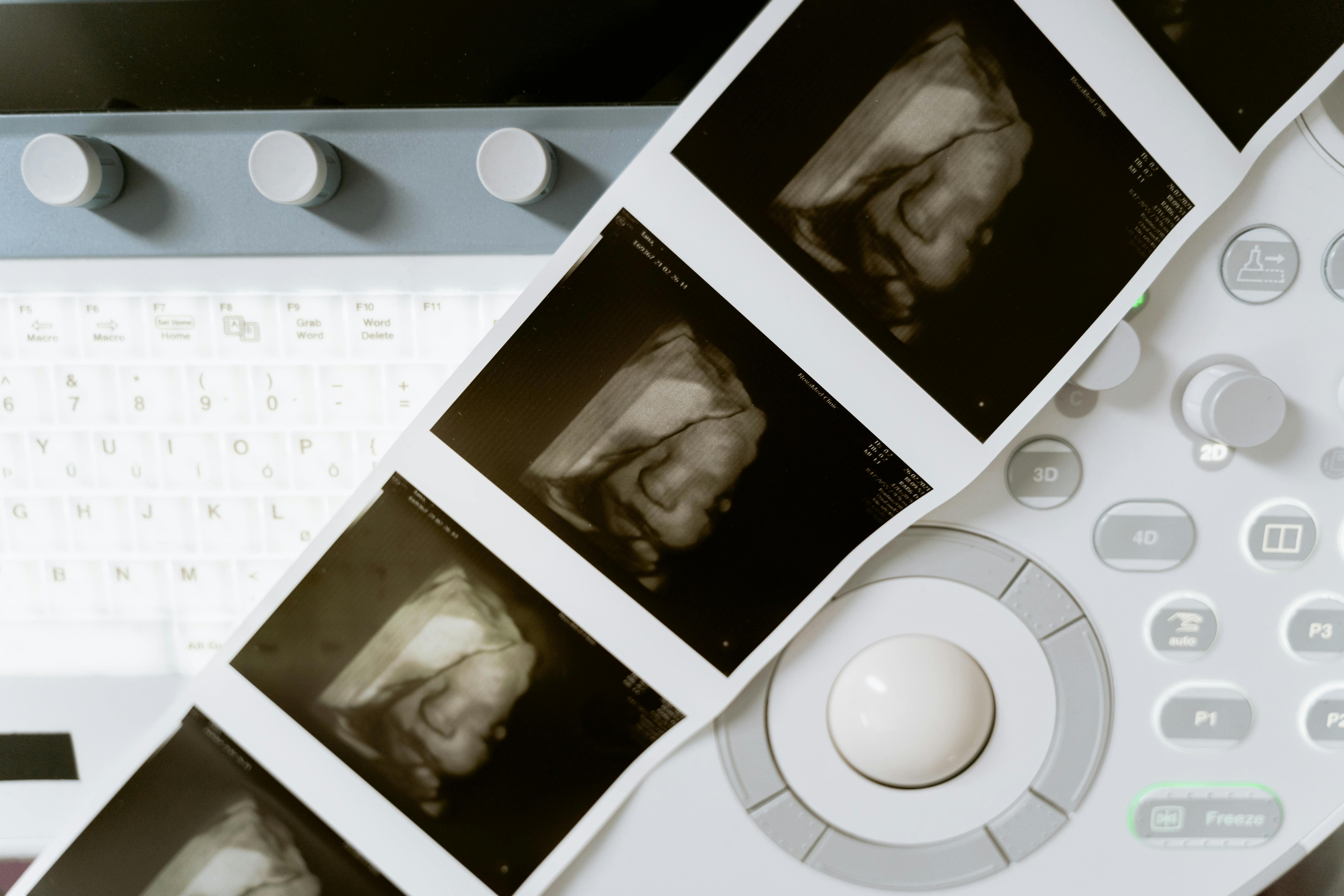
The 13-week ultrasound is one of the most significant early scans during pregnancy. At this stage, the fetus is experiencing rapid growth, and several key developments are clearly visible through ultrasound imaging. This scan assists parents in understanding the baby’s health, growth, and overall progress while allowing the physician to screen for certain conditions and offer reassurance regarding the pregnancy.
This guide outlines essential information about what occurs during the 13-week ultrasound, what parents can expect to see, and the importance of this scan as a critical milestone.
What Is the 13-Week Ultrasound?
The 13-week ultrasound is part of the first-trimester screening process. It utilizes sound waves to generate detailed images of the developing fetus. By week 13, many features, such as the head, limbs, spine, and facial structure, can be observed clearly.
This ultrasound is typically conducted abdominally; however, a transvaginal approach may be utilized in certain cases for more precise measurements. The procedure is non-invasive, safe, and entirely painless.
Importance of the 13-Week Ultrasound
Several factors contribute to the significance of this scan during the first trimester:
- Growth and Development Assessment
During the 13-week ultrasound, the baby’s size is measured from head to bottom, known as the crown-rump length. This measurement helps confirm gestational age. - Monitoring the Baby’s Heartbeat
At 13 weeks, the heartbeat is strong and easily detectable, providing reassurance that the pregnancy is progressing normally. - Screening for Chromosomal Conditions
A primary objective of the 13-week ultrasound is to measure the nuchal translucency (NT), which is the fluid at the back of the baby’s neck. This measurement aids in assessing the risk of conditions such as Down syndrome. - Examining Organ Development
By week 13, the stomach, bladder, brain, spine, and limbs are visible, allowing for an evaluation of organ development. - Assessing Placenta and Amniotic Fluid
The ultrasound also evaluates the position of the placenta and the volume of amniotic fluid surrounding the baby.
Observations During the 13-Week Ultrasound
The images produced during this scan can be remarkably detailed. Parents may observe the following:
- Baby’s Face and Profile
The facial structure, including the forehead, nose, and jaw, becomes more defined. Many parents see the iconic side profile for the first time during this ultrasound. - Arms and Legs
The baby is already moving, stretching, and kicking. The limbs are well-formed, and small details such as fingers and toes may be visible. - Spinal Development
The spine appears as a bright, curved line, indicating healthy formation. - Head and Brain
The shape of the head is clear, and early brain structures can be visualized during the 13-week ultrasound. - Heart Movement
The heartbeat is distinctly visible, beating at approximately 150–170 beats per minute during this stage.
Procedure for the 13-Week Ultrasound
The procedure is straightforward and typically lasts about 15–30 minutes.
Step-by-Step Process:
- The patient lies on an examination table.
- A gel is applied to the lower abdomen.
- The ultrasound wand is moved over the belly to capture images.
- Measurements, such as crown-rump length and nuchal translucency, are taken.
- The technician records images and videos for the physician’s review.
This scan is safe for both the mother and the baby.
Benefits of the 13-Week Ultrasound
The 13-week ultrasound offers numerous benefits, including:
- Early reassurance of a healthy pregnancy
- Accurate dating of the pregnancy
- Early detection of potential abnormalities
- Insight into the baby’s development
- The opportunity to see the baby move for the first time
- Enhanced bonding between parents and baby
This scan often represents an emotional and exciting moment for expecting parents.
Frequently Asked Questions About the 13-Week Ultrasound
- Can the baby’s gender be determined at 13 weeks?
Gender may sometimes be suggested, but it is not always accurate at this stage. - Is fasting required before the scan?
No, fasting is not necessary prior to the 13-week ultrasound. - Is the scan painful?
No, the procedure is completely painless. - Can the baby’s movements be observed?
Yes, the baby is usually quite active at 13 weeks.
Conclusion
The 13-week ultrasound is a vital component of early pregnancy care. It provides crucial information regarding the baby’s development, aids in screening for chromosomal conditions, and reassures parents that the pregnancy is progressing well. This scan offers one of the first clear glimpses of the growing baby and plays an essential role in ensuring a healthy pregnancy.
Κατηγορίες
Διαβάζω περισσότερα
"Key Drivers Impacting Executive Summary Canola Protein Market Size and Share The global canola protein market size was valued at USD 2.62 billion in 2025 and is expected to reach USD 3.64 billion by 2033, at a CAGR of 4.20% during the forecast period This global Canola Protein Market research report carries out the methodical and comprehensive market...

Pestoto: Panduan Lengkap, Fitur, dan Keunggulannya Dalam era digital yang terus berkembang, berbagai platform online bermunculan dengan menawarkan layanan yang semakin inovatif. Salah satu nama yang mulai banyak diperbincangkan adalah pestoto. Platform ini dikenal karena menghadirkan sistem yang modern, antarmuka yang ramah pengguna, serta berbagai fitur yang dirancang untuk memberikan...
Managing diabetes has become one of the biggest health challenges worldwide. With modern lifestyles, unhealthy eating habits, and increasing stress levels, maintaining balanced blood sugar is more important than ever. If you are looking for a natural solution, many people are now choosing to order Glucore for diabetes support as part of their daily routine. In this detailed guide, you will...

전용 파워볼사이트를 찾고 있다면 단순한 추천이나 광고성 정보가 아닌, 실제로 도움이 되는 기준과 판단 방법이 필요합니다. 이 글에서는 검증 파워볼사이트 를 선택할 때 무엇을 기준으로 삼아야 하는지, 어떤 요소가 중요한지, 그리고 왜 이러한 선택이 장기적인 결과에 영향을 미치는지를 구체적으로 설명합니다. 독자는 이 글을 통해 보다 안전하고 안정적인 환경을 선택하는 데 필요한 명확한 기준을 얻을 수 있습니다. 전용 파워볼사이트란 무엇인가 전용 파워볼사이트는 특정 사용자 경험을 중심으로 설계된 플랫폼을 의미합니다. 일반적인 사이트와 달리 이용자의 편의성과 안정성을 고려한 구조를 갖추고 있으며, 보다 집중된 서비스 환경을 제공합니다. 이러한 사이트는 단순히 게임...
When we talk about the Liquified Petroleum Gas Price Trend, we are simply trying to understand how LPG prices move up and down over time. LPG is one of the most commonly used fuels in households, especially for cooking. Because it is part of our daily life, even small price changes can affect our monthly expenses. The Liquified Petroleum Gas Price Trend and the broader LPG Price Trend depend on...