Role of a Top BIS FMCS Consultant in Simplifying Certification

India has established strict quality and safety standards to ensure that products sold in the market meet regulatory requirements. For foreign manufacturers who wish to export their products to India, obtaining certification from the Bureau of Indian Standards (BIS) is often mandatory. One of the key schemes designed specifically for overseas manufacturers is BIS FMCS. This certification allows foreign companies to use the standard ISI mark on their products and legally sell them in the Indian market.
What is FMCS?
The FMCS Full Form is Foreign Manufacturers Certification Scheme. It is a certification program operated by the Bureau of Indian Standards (BIS) that enables foreign manufacturers to obtain a BIS license for their products. Under this scheme, overseas manufacturers can demonstrate that their products comply with relevant Indian Standards before they are imported or sold in India.
Through the FMCS, foreign companies can use the ISI mark on their products after completing the required verification, inspection, and testing procedures. This certification helps ensure that imported products meet the same safety and quality standards as those manufactured domestically.
Introduction to BIS FMCS
BIS FMCS Certification is specifically designed to regulate products manufactured outside India but intended for the Indian market. The scheme requires manufacturers to undergo a detailed evaluation process that includes documentation review, product testing in BIS-recognized laboratories, and factory inspections.
The primary objective of BIS Certification for Foreign Manufacturers is to protect Indian consumers by ensuring that imported goods comply with established safety and quality standards. Once a manufacturer successfully completes the certification process, BIS grants a license that allows the manufacturer to mark their products with the ISI symbol, which signifies compliance with Indian standards.
This certification is mandatory for many products such as electrical appliances, chemicals, cement, automotive components, and various consumer goods that fall under quality control orders issued by the Government of India.
Why BIS Certification is Important for Foreign Manufacturers
India is one of the fastest-growing markets in the world, and many international companies want to enter this market. However, regulatory compliance is essential. BIS Certification for Foreign Manufacturers plays a crucial role in ensuring that imported products meet the same level of quality as domestically produced goods.
There are several benefits of obtaining this certification:
Market Access
Without BIS approval, many products cannot be legally imported or sold in India. Certification opens the door to the Indian market.
Consumer Trust
The ISI mark issued under the FMCS demonstrates that a product has been tested and approved according to Indian safety standards, which builds confidence among buyers.
Regulatory Compliance
Companies that obtain BIS FMCS Certification comply with government regulations and avoid penalties, import restrictions, or product recalls.
Competitive Advantage
Products that meet BIS standards often gain greater credibility in the Indian marketplace.
Products Covered Under FMCS
A wide range of products fall under the FMCS scheme. These typically include products for which Indian Standards are already established and where certification is mandatory before import or sale.
Some commonly certified product categories include:
- Electrical appliances
- Cement and construction materials
- Steel and metal products
- Automotive components
- Chemicals and industrial materials
- Consumer goods requiring safety compliance
Each product category must comply with a specific Indian Standard defined by BIS.
Process of BIS FMCS Certification
Obtaining BIS FMCS Certification involves several steps. The process ensures that products manufactured outside India meet the required standards before being introduced into the market.
Application Submission
The foreign manufacturer must submit an application to BIS along with required documentation, including company details, product specifications, and manufacturing process information.
Nomination of Authorized Indian Representative
Foreign manufacturers must appoint an Authorized Indian Representative (AIR) who will act as the official contact between the manufacturer and BIS authorities.
Product Testing
Samples of the product must be tested in BIS-recognized laboratories to confirm compliance with the relevant Indian Standard.
Factory Inspection
BIS officials conduct an inspection of the manufacturing facility located outside India. During this inspection, they review production processes, quality control systems, and manufacturing practices.
Grant of License
Once all requirements are satisfied, BIS grants the license to the manufacturer under the FMCS, allowing the use of the ISI mark on the certified product.
Role of a BIS FMCS Consultant
The certification process can be complex for companies unfamiliar with Indian regulatory procedures. This is why many businesses rely on professional consultants for guidance.
A TOP BIS FMCS Consultant assists manufacturers in understanding certification requirements, preparing documentation, coordinating with BIS authorities, and ensuring compliance with Indian standards. Consultants help streamline the process and reduce delays that may occur due to incomplete documentation or procedural errors.
Similarly, a BIS FMCS Agent can support manufacturers by managing communication with government authorities, arranging product testing, and coordinating factory inspections. Their expertise helps companies navigate regulatory requirements efficiently.
Challenges in the FMCS Certification Process
Although the certification provides access to the Indian market, foreign manufacturers often face several challenges during the application process. These may include:
- Understanding complex Indian regulatory requirements
- Preparing accurate technical documentation
- Coordinating with BIS-approved laboratories
- Managing international factory inspections
- Ensuring continuous compliance with Indian Standards
With proper guidance and planning, these challenges can be managed effectively.
Maintaining BIS Certification
After obtaining BIS FMCS Certification, manufacturers must maintain compliance with BIS regulations. This includes regular product testing, adherence to quality control procedures, and periodic inspections by BIS officials.
Failure to maintain standards may result in suspension or cancellation of the BIS license. Therefore, companies must ensure consistent product quality and compliance with the applicable Indian Standard.
Conclusion
Entering the Indian market requires strict compliance with national safety and quality standards. The BIS FMCS scheme provides a structured pathway for overseas manufacturers to certify their products and legally sell them in India. Through the FMCS, companies can obtain the necessary approvals, demonstrate compliance with Indian standards, and build trust among consumers.
The process of obtaining BIS FMCS Certification involves detailed documentation, product testing, and factory inspections, which can sometimes be challenging for foreign manufacturers. Professional guidance from experienced consultants can make the process more efficient and help businesses achieve certification without unnecessary delays.
For manufacturers seeking reliable assistance with BIS compliance, Prolix India offers expert support in navigating certification procedures, ensuring regulatory compliance, and simplifying the process for companies entering the Indian market.
Categorias
Leia Mais
Understanding Glaucoma and the Importance of Timely Eye Care Vision plays a vital role in maintaining independence and quality of life. Eye conditions that develop silently can cause irreversible damage if not treated at the right time. Shreya Eye Centre is dedicated to helping patients protect their eyesight through early diagnosis, advanced technology, and patient-focused treatment...

"Global Demand Outlook for Executive Summary Pyrite Market Size and Share CAGR Value The global pyrite market was valued at USD 12.02 billion in 2024 and is expected to reach USD 19.15 billion by 2032During the forecast period of 2025 to 2032 the market is likely to grow at a CAGR of 6.00%, primarily driven by the anticipated demand from various industrial applications and increasing...

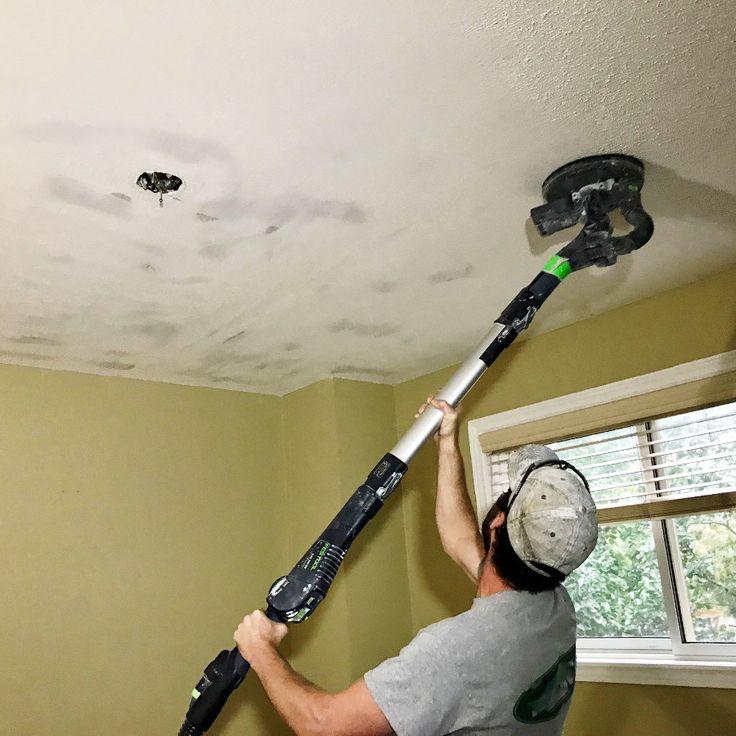
Popcorn ceilings, also known as acoustic ceilings, were widely used in homes built from the 1950s through the 1980s. While they helped hide imperfections and absorb sound, they come with several downsides. These ceilings collect dust, are difficult to clean, and can make rooms look darker and smaller. In many older properties, popcorn ceilings may also contain asbestos. Attempting a DIY removal...
The virtual payment (POS) terminals market is rapidly evolving as digital transactions become mainstream across the globe. Virtual POS terminals, which allow merchants to accept payments through software interfaces without physical hardware, have gained significant traction due to their ease of use and integration with e-commerce platforms. The growth in online retail, increasing smartphone...

Introduction to Saint Vanity Clothing Saint Vanity is a modern clothing label that blends simplicity with a bold sense of identity. It has quickly gained recognition among fashion lovers who prefer clean, minimal designs that still make a strong statement. The brand reflects a lifestyle where comfort and confidence go hand in hand. Saint Vanity focuses on everyday wear that feels natural and...