How CNC Tool Selection Affects Machining Productivity
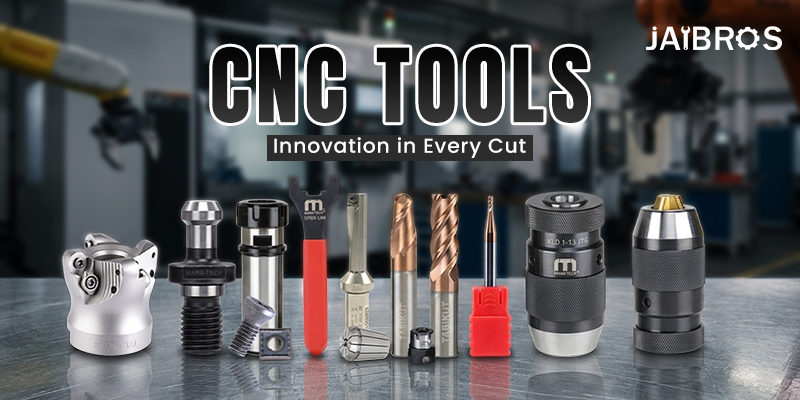
Discover how CNC tool selection affects machining productivity, tool life, and efficiency. Explore tips to choose the best CNC tools online in India.
How CNC Tool Selection Impacts Productivity | Best CNC Tools Guide
In modern manufacturing, precision, efficiency, and cost-effectiveness are critical for success. One of the most influential factors in achieving these goals is the selection of the right CNC tool. Whether you are working in automotive, aerospace, or general engineering, the tools you choose directly impact machining speed, surface finish, tool life, and overall productivity.
With the growing demand for high-quality components, manufacturers across cnc tools India markets are constantly looking for ways to optimise their processes. Selecting the appropriate tooling is not just a technical decision—it’s a strategic one that can determine profitability and operational efficiency.
Understanding CNC Tool Selection
Choosing the right CNC tool involves evaluating several parameters such as material type, cutting conditions, machine capability, and desired output. Each machining operation—turning, milling, drilling, or threading—requires specific tools designed for optimal performance.
When manufacturers search for CNC tools near me, they are often looking for reliable suppliers who offer quality tools suited to their applications. However, beyond availability, understanding tool geometry, coating, and material composition is essential.
A well-selected tool ensures:
-
Faster cutting speeds
-
Reduced machine downtime
-
Improved dimensional accuracy
-
Longer tool life
Key Factors That Influence Tool Selection
Material of the Workpiece
Different materials require different cutting approaches. For example:
-
Hard materials like titanium need wear-resistant tools
-
Softer metals like aluminium require sharp edges for clean cuts
Using the wrong tool can lead to excessive wear, poor surface finish, and reduced productivity.
Tool Material and Coating
Tool materials such as carbide, high-speed steel (HSS), and ceramics each have unique properties. Carbide tools, for instance, are widely used due to their durability and heat resistance.
Coatings like TiN, TiAlN, and DLC further enhance tool performance by reducing friction and increasing wear resistance. Choosing the correct combination ensures that the CNC performs efficiently under demanding conditions.
Cutting Parameters
Cutting speed, feed rate, and depth of cut must align with the selected tool. Even the best tools can fail if used under incorrect parameters.
Proper alignment between tool capability and machine settings leads to:
-
Stable machining
-
Reduced vibrations
-
Consistent output quality
Tool Geometry
The shape and design of the cutting edge significantly impact machining efficiency. Parameters like rake angle, clearance angle, and chip breaker design influence chip flow and cutting forces.
A well-designed tool helps in:
-
Smooth chip evacuation
-
Lower cutting resistance
-
Enhanced surface finish
Impact on Machining Productivity
Increased Cutting Efficiency
The right tool allows higher cutting speeds without compromising quality. This directly reduces cycle time and increases production output.
For example, using advanced carbide inserts instead of traditional tools can significantly boost machining rates.
Reduced Tool Wear and Downtime
Frequent tool changes can slow down production and increase costs. Selecting durable tools minimises wear and extends tool life, ensuring uninterrupted operations.
When businesses invest in CNC tools online, they often compare durability and performance to reduce replacement frequency.
Improved Surface Finish
Surface quality is crucial in industries where precision matters. The correct tool ensures smoother finishes, reducing the need for secondary operations like polishing or grinding.
Better Machine Utilisation
Efficient tools allow machines to operate at their full potential. This maximises output without requiring additional equipment, improving overall productivity.
Cost Implications of Tool Selection
While high-quality tools may have a higher initial cost, they often result in long-term savings. Poor tool selection can lead to:
-
Increased scrap rates
-
Higher maintenance costs
-
More frequent tool replacements
On the other hand, investing in the right CNC reduces operational expenses and enhances profitability.
Role of Technology in Tool Selection
Modern CNC machining is evolving with digital advancements. Tool selection is now supported by:
-
Simulation software
-
Tool management systems
-
Data-driven decision-making
Manufacturers in cnc tools india are increasingly adopting smart solutions to optimize tool usage and improve efficiency.
Common Mistakes in CNC Tool Selection
Avoiding common errors can significantly improve productivity:
-
Choosing tools based only on price
-
Ignoring material compatibility
-
Using incorrect cutting parameters
-
Neglecting tool maintenance
Many businesses searching for tools near me often overlook technical specifications, which can lead to poor performance.
Best Practices for Selecting Tools
To maximise productivity, follow these best practices:
-
Analyse the machining application thoroughly
-
Select tools based on material and operation type
-
Use recommended cutting parameters
-
Invest in high-quality tooling solutions
-
Regularly monitor tool performance
When sourcing the best CNC tools, always prioritise quality, reliability, and supplier reputation.
Importance of Supplier Selection
A reliable supplier plays a crucial role in ensuring consistent tool performance. When purchasing tools online, consider:
-
Product quality certifications
-
Customer reviews
-
Technical support availability
-
Delivery timelines
A trusted supplier not only provides tools but also helps in selecting the right solutions for your machining needs.
Future Trends in CNC Tooling
The future of CNC tooling is driven by innovation and automation. Key trends include:
-
Smart tools with sensors
-
Advanced coatings for longer life
-
AI-driven tool selection systems
-
Sustainable and eco-friendly tooling solutions
These advancements will further enhance the efficiency and effectiveness of tool usage in manufacturing.
Conclusion
Selecting the right tool is a critical factor that directly impacts machining productivity. From improving cutting efficiency to reducing downtime and ensuring high-quality output, the right tooling decisions can transform manufacturing operations.
Businesses that invest in proper tool selection strategies gain a competitive edge in terms of cost, quality, and efficiency. Whether sourcing locally or exploring CNC tools online, making informed choices is essential.
At the end of the day, partnering with a reliable brand makes all the difference. Jaibros is a trusted name in the industry, offering a wide range of high-quality tooling solutions tailored to modern machining needs. With a commitment to precision, durability, and customer satisfaction, Jaibros helps manufacturers achieve superior productivity and performance.
FAQs
1. Why is CNC tool selection important in machining?
CNC tool selection directly affects machining speed, accuracy, surface finish, and tool life, making it essential for productivity and cost efficiency.
2. How do I choose the right tool for my application?
Consider factors like workpiece material, machining operation, tool material, coating, and cutting parameters before selecting a tool.
3. Are expensive tools always better?
Not necessarily, but high-quality tools often provide better durability, performance, and long-term cost savings.
4. Where can I find reliable CNC tools?
You can explore trusted suppliers locally or search for tools online to compare options and find the best solutions.
5. How can I increase tool life in CNC machining?
Use proper cutting parameters, select the right tool material and coating, and perform regular maintenance to extend tool life.
Categorias
Leia mais
Finding the perfect wedding dress is one of the most exciting parts of your bridal journey. If you are searching for a Bridal Shop York or exploring the best bridal shops Yorkshire, you deserve an experience that feels just as magical as your big day. At The Bridal Affair, brides-to-be are welcomed into a world of elegance, style, and unforgettable moments, where every gown tells a...

Acetonitrile Prices Q1 2026 – Overview The global Acetonitrile prices in Q1 2026 show significant regional variations due to production output, industrial demand, and supply chain factors. The Acetonitrile Price Index Report provides a clear view of pricing trends, while the Acetonitrile Price Chart highlights historical fluctuations across key regions. These insights help businesses and...

"Aircraft Hangar Market Summary: According to the latest report published by Data Bridge Market Research, the Aircraft Hangar Market CAGR Value Data Bridge Market Research analyzes that the global aircraft hangar market is expected to reach a value of USD 1,060,614.67 thousand by 2030, at a CAGR of 4.9% during the forecast period. An excellent Aircraft Hangar...

Keeping your home or business pest-free is essential for protecting your property, health, and peace of mind. If you are searching for reliable pest control services Houston TX, look no further than Pest Frog. With professional treatments and experienced technicians, Pest Frog delivers effective solutions for all types of pest problems in Houston and surrounding areas. Why Professional Pest...

The modern hectic life has made most people seek refined companionship that suits their social standards and their own tastes and preferences. The increasing demand of call girls in Jind is indicative of the increased need of high-end company that places importance on privacy, elegance and professional behavior. You can be a travelling person, a busy employee, or even a person that wants to...