


SEBI’s New Algo Trading Rules: Big Impact on Retail Traders in 2026 | Finowings

SEBI’s new algo trading rules in 2026 are designed to make automated trading safer and more transparent for retail investors. While some retail traders will need to adjust their setups, these rules do not ban algo trading. The key updates include Strategy IDs, static IP whitelisting, and broker responsibility, effective April 1, 2026.
If you’re new to algorithmic trading, this guide explains the rules, operational changes, and how you can remain compliant without stress.
What Changed? Before vs After SEBI Algo Trading Rules 2026
Before April 2026 (Old System)
-
API access from multiple dynamic IPs was allowed.
-
Unregulated “black box” tools operated with minimal oversight.
-
No unique ID required for different algo orders.
-
Brokers and third-party providers had limited accountability.
-
Rapid unregulated orders could disrupt markets.
After April 1, 2026 (New SEBI Retail Algo Framework)
-
Each algo order requires a unique Exchange Strategy ID.
-
Brokers act as principals, taking full responsibility for accounts.
-
Static IP whitelisting + 2FA is mandatory.
-
Third-party providers must be empanelled with brokers and exchanges.
-
“White box” (simple) and “black box” (complex) strategies are distinguished, with more scrutiny on the latter.
-
Order speed limits (~10 orders/sec) reduce paperwork.
-
Enhanced risk mitigation and audit trails protect small investors.
These updates aim to bring transparency and safety while keeping retail algorithmic trading accessible.
Who Should Consider Algo Trading?
Ideal Candidates
-
Traders with a tested, rule-based strategy.
-
Those wanting emotion-free, automated execution.
-
Users willing to understand the broker’s tools or APIs.
Who Should Avoid or Delay
-
Beginners without trading experience.
-
Strategies that haven’t been backtested.
-
Traders expecting guaranteed profits.
-
Infrequent traders who prefer manual execution.
Manual vs API vs Full Algo Trading (SEBI 2026)
|
Feature |
Manual Trading |
API Trading (Semi-Automated) |
Full Algo Trading (Automated) |
|
Order Placement |
Manual click on app/web |
API via code/tools |
Fully automated program |
|
SEBI 2026 Impact |
None |
Static IP + 2FA mandatory |
Strategy ID + broker oversight mandatory |
|
Execution Speed |
Slow |
Fast (ms) |
Very fast (ms) |
|
Emotional Influence |
High |
Medium |
None |
|
Static IP |
Not required |
Mandatory |
Mandatory |
|
Strategy ID |
Not needed |
Needed if automated |
Mandatory |
|
Speed Limit |
No limit |
Usually <10 orders/sec |
Extra registration if >10/sec |
|
Broker Responsibility |
Normal |
Broker principal |
Broker fully responsible |
|
Best For |
Beginners, discretionary traders |
Traders needing speed + control |
Systematic, rule-based traders |
|
Risk Level |
High |
Medium |
Lower (if well-tested) |
SEBI Updates for F&O Trading in 2026
-
Higher STT: Futures 0.05% (up from 0.02%), Options 0.15%
-
Stricter Margin Rules: 50% margin must be in cash
-
Position Limits: Retail traders capped at 10% of Market Wide Position Limit (MWPL)
-
Larger Lot Sizes: Especially for index options
-
Upfront Premium for Options Buyers
These measures aim to reduce excessive leverage and protect small investors.
Key Features of SEBI Algo Trading Rules (2026)
-
Unique Exchange Strategy ID: All automated orders are identifiable.
-
Broker Accountability: Brokers oversee and are responsible for all algo trades.
-
Static IP & Security: Only registered IPs allowed; public Wi-Fi or dynamic IPs are blocked.
-
White Box vs Black Box: White box strategies need approval; black box requires extra scrutiny.
-
Order Limits & OTR: Honest traders benefit from simplified compliance.
These rules create a safer environment and protect retail investors from scams and market volatility.
Timeline Overview
|
Date |
Key Event |
|
Feb 4, 2025 |
SEBI circular released |
|
Oct 1, 2025 |
Optional live testing began |
|
Oct 31, 2025 |
Brokers registered first algos |
|
Nov 30, 2025 |
Most retail algos registered |
|
Jan 5, 2026 |
Non-compliant brokers stopped new API clients |
|
Apr 1, 2026 |
Full SEBI rules mandatory |
|
Apr 6, 2026 |
Updated Order-to-Trade Ratio effective |
Compliance Checklist Before Going Live
-
Whitelisted static IP with broker
-
2FA & OAuth enabled
-
Strategy ID obtained from broker
-
Paper trading tested
-
Third-party provider empanelled
-
Risk limits set (stop-loss/daily loss)
-
Trade logs maintained
-
Broker risk disclosure read and understood
Real Examples
Non-Compliant: Rahul used a black-box tool on mobile data with no Strategy ID. Orders rejected after April 1, 2026.
Compliant: Priya’s Python-based moving average crossover strategy:
-
Static IP whitelisted
-
Strategy ID assigned
-
Paper-tested for 1 week
-
Stop-loss & daily loss implemented
Her trades run smoothly and comply fully with SEBI regulations.
Choosing a Safe Third-Party Algo Provider
-
Must be empanelled with NSE/BSE brokers.
-
Must provide a unique Strategy ID.
-
Prefer white box strategies for transparency.
-
Avoid providers promising guaranteed returns.
Common Beginner Mistakes
-
Bypassing static IP requirements
-
Using non-approved platforms
-
Believing in guaranteed profit claims
-
Skipping paper trading
-
Ignoring risk management
Why These Rules Benefit Retail Investors
-
Reduce scams and market misuse
-
Broker accountability ensures safer trading
-
Clear distinction between simple and complex strategies
Once you understand compliance basics, you can safely leverage algo trading for systematic and emotion-free trading.
Final Thoughts
SEBI’s new algo trading rules in 2026 protect retail traders while maintaining access to automated trading. Spend time updating your setup, learning broker procedures, and using approved tools. Trade wisely, follow the rules, and safeguard your capital.
FAQs
Q1. Is algo trading legal for retail investors after SEBI 2026 rules?
Yes. SEBI rules make algo trading safer but do not ban it.
Q2. Do I need to register my own algo strategy with SEBI?
Usually not. Your broker handles Strategy ID tagging unless it’s high-frequency or commercial.
Q3. What if I don’t use a static IP?
Orders will likely be rejected; static IP is mandatory for API access.
Q4. Does this affect manual trading?
No. Manual trading remains unaffected.
Q5. How do I choose a safe third-party provider?
Only choose broker-approved, empanelled providers with transparent strategies and no guaranteed return claims.
Disclaimer: This blog is for educational purposes only and does not provide financial advice. Consult a licensed financial advisor before making investment decisions.
Categorie
Leggi tutto
Oreganohonung är en exklusiv och sällsynt honung som produceras under en mycket kort period när oregano blommar i juli. Denna unika honung kommer från orörda bergsområden i Thessalien, där bin samlar nektar från vilda oreganoväxter. Resultatet är en honung med intensiv smak, stark arom och en imponerande näringsprofil. Vad är...

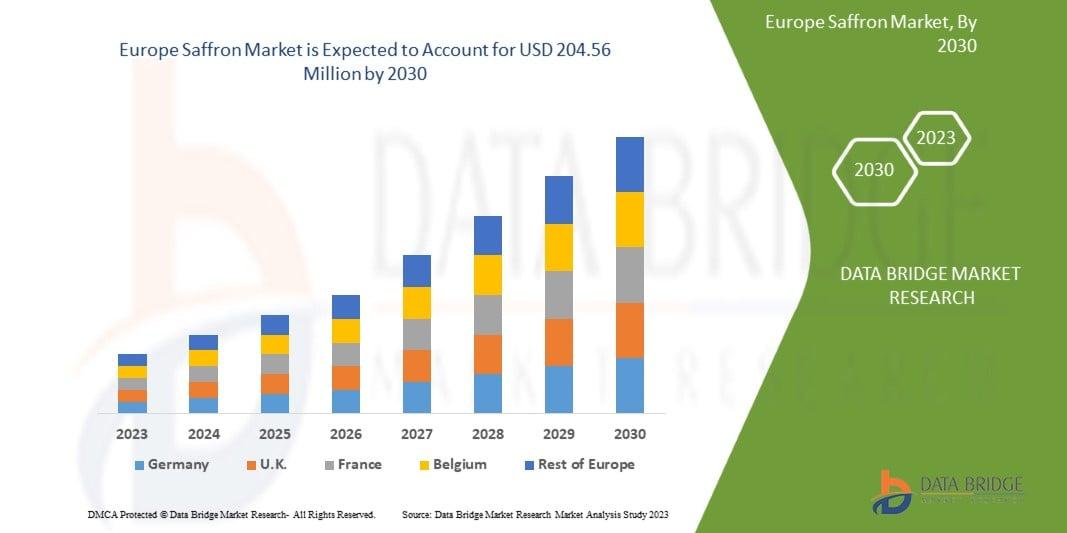
"Europe Saffron Market Summary: According to the latest report published by Data Bridge Market Research, the Europe Saffron Market Data Bridge Market Research analyzes that the Europe saffron B2B market is expected to reach a value of USD 204.56 million by 2030, at a CAGR of 5.9% and Europe saffron B2C market is expected to reach a value of USD 430.08 million by 2030, at a CAGR of...
APMT insert is designed for CNC machines, delivering high-performance milling, smooth cuts, and long tool life for precise, efficient machining. High-Performance APMT Inserts for Smooth & Precise CNC Milling CNC milling has become the backbone of modern manufacturing, enabling high precision and efficient production in industries from aerospace to automotive. At...

Protein is an essential macronutrient that plays a vital role in human health. Known as the "building block of life," protein consists of amino acids, which are crucial for muscle repair, tissue maintenance, and overall bodily function. Whether you are an athlete, fitness enthusiast, or someone focused on maintaining a balanced diet, protein is indispensable for optimal health and...
Bayitoto terbaru 2026 menjadi salah satu kata kunci yang mulai banyak dicari karena meningkatnya minat pengguna terhadap platform digital yang cepat, modern, dan mudah diakses. Dalam perkembangan dunia online yang semakin kompetitif, istilah seperti bayitoto terbaru 2026 biasanya mengarah pada pembaruan sistem, peningkatan fitur, serta pengalaman pengguna yang lebih baik dibandingkan versi...