The Architectural Stack of the New Internet: The Web 3.0 Blockchain Market Platform

The Web 3.0 ecosystem is not a single product but a complex, modular, and composable stack of technologies, a new internet architecture designed from the ground up to be decentralized, trustless, and user-owned. A technical deconstruction of the typical Web 3.0 Blockchain Market Platform reveals a layered model, with each layer providing a distinct set of functionalities and building upon the layers below it. The ultimate purpose of this stack is to provide developers with a complete set of decentralized tools to build applications (dApps) that are not controlled by any single entity. The elegance of this architecture lies in its composability—the ability for developers to "mix and match" components from different layers to create novel applications, much like snapping together Lego blocks. This modular and open design is what enables the rapid, permissionless innovation that is the hallmark of the Web 3.0 movement, creating a powerful and resilient foundation for the next generation of the internet.
The foundational layer of the stack is the blockchain protocol itself, often referred to as Layer 1. This is the bedrock of the entire system, providing the core consensus mechanism, smart contract execution environment, and the native digital currency. Ethereum is the most well-known and dominant Layer 1 platform, but a host of competitors, such as Solana, Avalanche, and Cardano, have emerged, each with different trade-offs between decentralization, security, and scalability. This layer is responsible for maintaining the immutable, shared ledger that guarantees the integrity of all transactions and the state of all dApps. The security and decentralization of this base layer are paramount, as the integrity of the entire stack depends on it. Built directly on top of or alongside this are Layer 2 scaling solutions, such as Optimism, Arbitrum, and Polygon, which are designed to process transactions off the main chain to dramatically increase throughput and reduce costs, making dApps viable for mainstream use.
The next layer up consists of a suite of decentralized infrastructure services and protocols that provide the essential "middleware" for building dApps. This layer aims to replace the centralized infrastructure services that dominate Web 2.0. For example, instead of storing data on Amazon S3, a dApp would use a decentralized storage network like IPFS (InterPlanetary File System) or Arweave, where data is stored across a peer-to-peer network of nodes, making it censorship-resistant. Instead of relying on a centralized domain name system (DNS), Web 3.0 uses services like the Ethereum Name Service (ENS) to create human-readable, user-owned domain names. For accessing real-world data, dApps rely on decentralized "oracle" networks like Chainlink, which provide a secure and reliable way to bring off-chain information (like stock prices or weather data) onto the blockchain. This layer of decentralized infrastructure is crucial for building applications that are truly decentralized from end to end.
The top layer of the stack is the application and user interface layer. This is where the end-user interacts with the Web 3.0 ecosystem. It consists of the dApps themselves—the DeFi protocols, NFT marketplaces, blockchain games, and decentralized social networks. Crucially, it also includes the primary tool for user interaction: the crypto wallet. The wallet (such as MetaMask or Phantom) acts as the user's digital identity and passport to the Web 3.0 world. It securely stores the user's private keys, which are used to sign transactions and to prove ownership of their digital assets and identity. The wallet, not a username and password controlled by a central company, is how a user logs into a dApp. This fundamental shift—where the user holds their own keys and controls their own identity—is the ultimate realization of the Web 3.0 vision and the key architectural difference that empowers the user and disintermediates the Web 2.0 platforms.
Unlock Comprehensive Country And Regional Reports:
Brazil Web 3 0 Blockchain Market
Canada Web 3 0 Blockchain Market
China Web 3 0 Blockchain Market
Europe Web 3 0 Blockchain Market
France Web 3 0 Blockchain Market
Categorii
Citeste mai mult
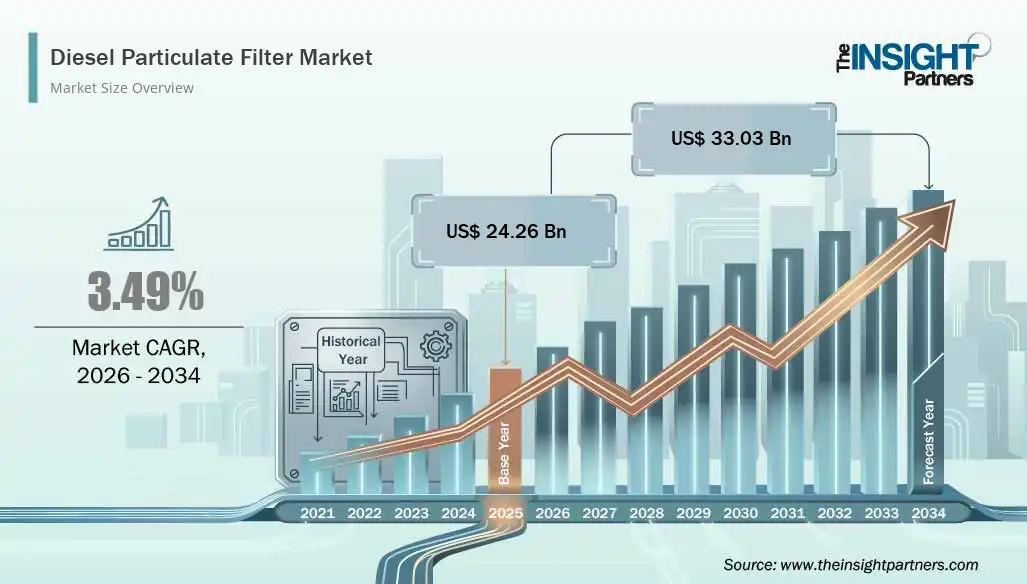
The global automotive industry is undergoing a significant transformation driven by stringent environmental regulations and the urgent need to reduce carbon footprints. Central to this shift is the Diesel Particulate Filter (DPF) market, which plays a critical role in mitigating the environmental impact of diesel engines. As governments worldwide implement more rigorous emission...
Polaris Market Research has introduced the latest market research report titled U.S. Distributed Antenna Systems Market Size, Share, Trends, Industry Analysis Report By Offering, By DAS Type, By Coverage, By Ownership, By Technology, By User Facility, By Vertical, and By Region – Market Forecast, 2025–2034 that highlights the major revenue stream for the forecast period....

Trong thời đại công nghệ phát triển mạnh mẽ, nhu cầu giải trí trực tuyến ngày càng tăng cao. Người dùng hiện nay không chỉ tìm kiếm những trò chơi hấp dẫn mà còn quan tâm đến yếu tố an toàn, minh bạch và chất lượng dịch vụ. B52CLUB chính là nền tảng đáp ứng đầy đủ những...

Compressed Natural Gas (CNG) is a popular, eco-friendly alternative to conventional fuels like petrol and diesel. With its growing adoption in both personal and commercial vehicles across India, ensuring the safety and integrity of CNG cylinders has become critically important. In Kolkata, Balaji Enterprise stands out as a leading name in the CNG hydro testing domain, offering reliable,...

When winter arrives, every woman looks for outerwear that offers both comfort and style. Among the many options available, wool jackets stand out as one of the most reliable and fashionable choices. Known for their natural warmth, durability, and timeless appeal, they remain a wardrobe essential. The popularity of Wool Jackets Women continues to grow as more women embrace pieces that...