


The Circular Supply Chain: Developing Systems for Advanced Reverse Logistics
The traditional linear economic model follows a "take-make-waste" pattern. This approach creates massive environmental pressure and resource scarcity. In 2026, global regulations and consumer demand have forced a shift. Businesses now embrace the circular supply chain. This model focuses on restorative and regenerative design. It keeps products and materials in use for as long as possible. Implementing this shift requires sophisticated Logistics Software Development.
A circular system relies on advanced reverse logistics. This process manages the flow of goods from the consumer back to the producer. It involves returns, repairs, refurbishing, and recycling. By 2026, the circular economy market reached a value of $700 billion. Companies using these models reduce their resource costs by up to 20%. Moving from linear to circular is a complex technical challenge.
The Technical Architecture of Reverse Logistics
Reverse logistics is much harder than forward logistics. In forward logistics, you move uniform pallets from a warehouse to a store. In reverse logistics, you receive single, damaged, or used items from thousands of locations. You do not always know the condition of the incoming goods.
1. Building Data-Driven Return Portals
The first step in a circular chain is the return portal. This software must interface with the customer directly. A specialized Logistics Software Development Company builds these portals to capture data early.
-
Condition Grading: Users upload photos or answer questions about the product state.
-
Smart Labeling: The system generates dynamic shipping labels based on the item type.
-
Routing Logic: The software decides if the item goes to a repair center or a recycler.
2. Integrating IoT for Product Life Tracking
In 2026, smart products carry their own history. Sensors and RFID tags track how many hours a machine operated. They record the temperatures the product endured. When the item returns, the logistics software reads this data instantly. This allows for immediate sorting without manual inspection.
Core Components of Circular Software Systems
A robust circular ecosystem requires specialized software modules. These components must talk to each other in real time.
1. Inventory Visibility Across States
Traditional systems track "New" inventory. Circular systems must track "Used," "Damaged," "Refurbished," and "Recycled" states. This requires a multi-state inventory management engine. Developers must build database schemas that support these complex attributes.
2. Automated Disposition Engines
The disposition engine is the brain of reverse logistics. It uses predefined rules to decide the fate of a returned item.
-
Resell: If the item is in perfect condition, it returns to the "New" stock.
-
Refurbish: If the item has minor wear, it goes to a technician.
-
Harvest: If the item is broken, the system identifies valuable parts to save.
-
Recycle: If no value remains, the software directs it to a certified recycler.
3. Traceability and Blockchain
Proving sustainability requires a "Digital Product Passport." Many firms now use blockchain to record every step of a product's life. This provides an immutable record of repair and recycling. It ensures that "green" claims are verifiable and audit-ready.
The Role of Logistics Software Development
Standard ERP systems cannot handle circular workflows. They lack the flexibility for non-linear paths. Custom Logistics Software Development fills this gap. It creates specialized tools that sit on top of legacy infrastructure.
1. APIs and Ecosystem Connectivity
A circular chain involves many partners. You work with third-party logistics (3PLs), repair shops, and raw material buyers. Your software must connect to all of them. Using RESTful APIs allows for seamless data exchange. This ensures that every partner has the same view of the item status.
2. AI in Quality Inspection
Computer vision is a game-changer for reverse logistics. High-speed cameras scan returned items on a conveyor belt. AI models identify scratches, dents, or missing parts. This automation speeds up the sorting process by 400% compared to human labor.
Strategic Advantages of Circular Models
Moving to a circular model is not just about the environment. it is a smart business move. It protects companies from supply chain shocks. If you can harvest parts from old products, you rely less on volatile raw material markets.
1. Reducing Waste and Disposal Costs
Landfill fees continue to rise globally. In 2026, some regions have doubled their waste taxes. A circular system avoids these costs. Instead of paying to throw items away, you find new value in them. This shift turns a cost center into a profit center.
2. Improving Customer Loyalty
Modern consumers prefer brands with sustainable practices. A smooth return and repair process builds trust. If a customer knows they can easily fix a product, they are more likely to buy it. Circular software makes these "after-sales" interactions fast and easy.
Stat Check:
-
82% of consumers prioritize brands with clear circularity programs in 2026.
-
Circular businesses see a 15% increase in customer lifetime value (CLV).
Overcoming Integration Hurdles
Building these systems is difficult. Technical teams face several major hurdles during the development process.
1. Managing High-Volume Small Shipments
Reverse logistics involves thousands of small, individual shipments. This creates a massive amount of data. Your software must handle high-concurrency event processing. If 10,000 customers initiate returns at once, the system cannot lag.
2. Normalizing Fragmented Data
Different return centers use different software. One might use an old warehouse system, while another uses a modern cloud app. A Logistics Software Development Company must build data transformation layers. These layers normalize the data so the central office can analyze it.
|
Challenge |
Technical Solution |
Outcome |
|
High Shipping Costs |
Consolidation Algorithms |
Reduces "Last-Mile" return expenses |
|
Unknown Item Quality |
AI Computer Vision |
Immediate and accurate sorting |
|
Regulatory Compliance |
Automated Reporting Tools |
Simplifies Scope 3 emissions audits |
|
Complex Material Flows |
Graph Database Models |
Maps the intricate web of circularity |
Case Study: Electronics Refurbishment
A leading smartphone manufacturer implemented a circular logistics stack. They used custom Logistics Software Development Services to link their retail stores to their repair hubs.
The Process:
-
A customer trades in an old phone at a kiosk.
-
The kiosk software performs an instant diagnostic.
-
The central logistics engine selects the nearest refurbishing center.
-
An autonomous courier picks up the device.
-
The device is cleaned, updated, and listed on a "Certified Pre-Owned" portal.
This system reduced the time-to-resale from 21 days to just 5 days. It also increased the recovery rate of precious metals like cobalt and lithium by 30%.
Future Trends in Circular Logistics
The field is evolving rapidly. New technologies will continue to change how we manage the life of a product.
1. The Rise of Autonomous Recycling
Robots are becoming better at disassembling complex machines. In the future, software will guide robots to take apart a laptop in seconds. They will separate batteries, screens, and circuit boards with high precision. This makes high-value recycling commercially viable.
2. 3D Printing for Repair
Instead of stocking every spare part, centers will print them on demand. The logistics software will send the 3D file to the printer closest to the repair site. This eliminates the need to transport small parts across the globe. It also reduces carbon emissions from shipping.
3. Predictive Return Modeling
By 2027, software will predict return volumes before they happen. It will look at sales data and product age. This allows logistics companies to staff their return centers more accurately. Predictive modeling reduces labor waste during slow periods.
Selecting a Logistics Software Development Company
Choosing the right partner is vital for a successful transition. You need a team that understands the unique logic of circularity.
-
Experience in Multi-Node Systems: They should know how to connect disparate systems.
-
Focus on Scalability: The software must grow as your return volume increases.
-
Security Standards: Reverse logistics data is sensitive. Ensure the partner uses high-level encryption.
-
User-Centric Design: The interface for return technicians must be simple and fast.
A specialized partner ensures that your technical debt remains low. They provide the frameworks that allow for quick adjustments as market rules change.
Conclusion
The shift to a circular supply chain is inevitable. Linear models are too expensive and risky in the modern world. Advanced reverse logistics provides the foundation for this change. It requires a deep commitment to Logistics Software Development and technical innovation.
By building intelligent systems, you can recover value that was previously lost. You can reduce your environmental impact and improve your bottom line. The path to 2030 requires a "closed-loop" mindset. Every product at the end of its life should be the beginning of a new one.
Success in this area depends on your ability to manage data. With the right software and the right partners, your logistics network becomes a powerful engine for sustainability and growth.
Категории
Больше
"Algae Snacks Market Summary: According to the latest report published by Data Bridge Market Research, the Algae Snacks Market The global algae snacks market size was valued at USD 105.24 million in 2024 and is expected to reach USD 228.89 million by 2032, at a CAGR of 10.20% during the forecast period With the clear understanding of customer requirement,...

Introduction to FC 26 Online Seasons Experience head-to-head competition in FC 26 Online Seasons, where you test your skills against real opponents in a tiered league system. Progress through multiple divisions by playing a set number of matches each season, striving to accumulate enough points through wins and draws. Earn three points for every victory and one point for a draw, with each...

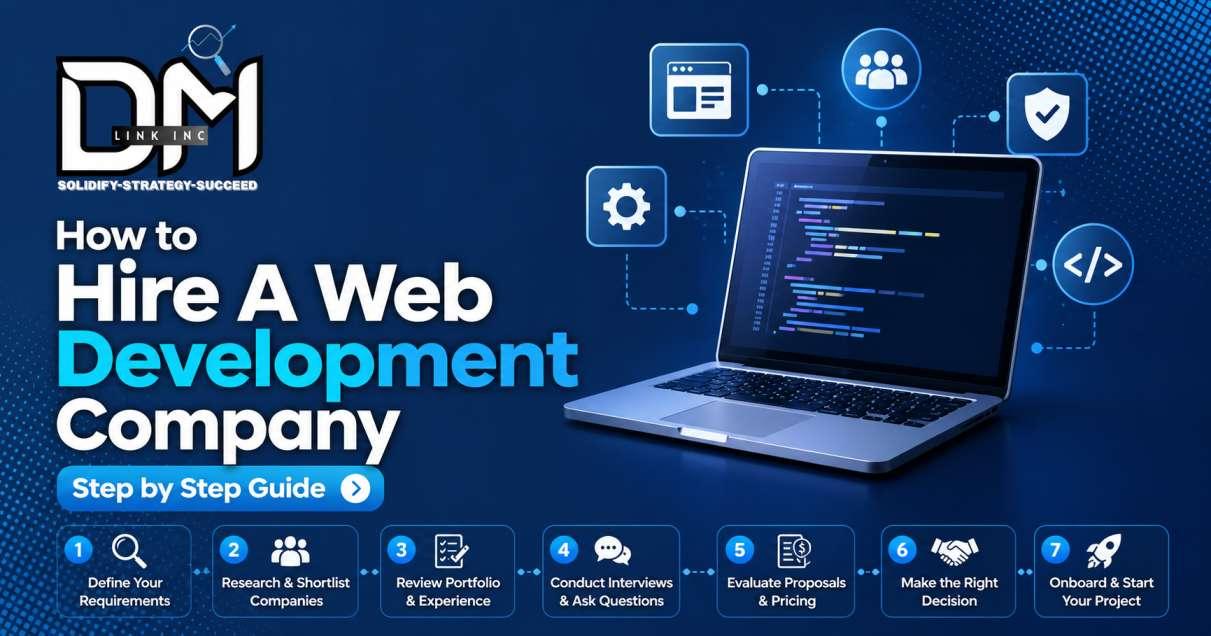
If you’re trying to figure out How to Hire A Web Development Company, you’re probably already feeling a bit confused. There are too many options out there freelancers, agencies, cheap deals, premium services it’s not always clear what’s right. Truth is, hiring the wrong company can cost you time, money, and a lot of frustration. So it’s better to slow...
Relocating to a new property is often a mix of excitement and pressure. Between organizing belongings, managing paperwork, and coordinating transportation, moving can quickly become overwhelming without the right support. That is why more Australians are turning to professional moving services to simplify the process. Across Melbourne, experienced movers in melbourne are helping families and...

https://syg.ma/@expediaonlinesupport/expedia-resolution-center-dial-1-866-855-0041 https://expediaonline1.blogspot.com/2026/06/expedia-case-management-hub-1-866-855.html https://www.boycat.co/blogs/147787/Expedia-Case-Management-Hub-1-866-855-0041 https://pastelink.net/4pg5t8px https://graph.org/Expedia-Case-Management-Hub-1-866-855-0041-06-08 https://justpaste.it/obyvc...