Challenges and Solutions in Laminated Busbar Implementation
Advantages of Laminated Busbar: Why Industries Are Making the Switch
As global industries race toward smarter, greener, and more efficient power infrastructure, one component is quietly becoming indispensable across sectors the laminated busbar. From electric vehicles to data centers, renewable energy systems to aerospace applications, the laminated busbar is earning its place as the power distribution solution of choice.
- Compact and Space-Efficient Design
One of the most immediately apparent advantages of a laminated busbar is its ability to consolidate complex wiring into a single, flat, layered assembly. Laminated busbars offer several advantages, including reduced space requirements, improved thermal performance, and enhanced reliability, and they are often employed in applications where high-power density and compact design are essential, such as in power distribution systems for industrial facilities, data centers, and renewable energy installations.
In environments where every square centimeter of cabinet or enclosure space counts, this compactness is transformative. Engineers can replace bulky cable harnesses with a precision-engineered laminated assembly, freeing up space, reducing system weight, and simplifying installation and maintenance workflows.
- Superior Thermal Performance
Heat is the enemy of electrical performance and component longevity. Laminated busbars are specifically engineered to address this challenge head-on. Efficient heat dissipation is crucial to maintaining the integrity and performance of the laminated busbar, and the design facilitates heat dissipation to prevent overheating and ensure reliable operation.
The flat geometry of laminated busbars maximizes surface area, allowing heat generated by current flow to dissipate more effectively than in round cables or rigid copper bars. This thermally optimized design makes laminated busbars particularly well-suited for high-power, continuous-duty applications where temperature management is critical to system reliability and service life.
- Reduced Inductance and Improved Electrical Performance
Perhaps the most technically significant advantage of laminated busbars is their inherently low inductance. The alternating arrangement of current-carrying conductive layers causes magnetic fields from adjacent conductors to cancel each other out a phenomenon that minimizes parasitic inductance throughout the assembly. This results in faster switching speeds, reduced voltage transients, and superior electromagnetic compatibility, all of which are non-negotiable performance requirements in modern power electronics.
Minimizing voltage drop across the busbar is important to maintain the efficiency of the power distribution system, and the dimensions and materials of the busbar are optimized to keep voltage drop within acceptable limits. The combination of low inductance and optimized voltage drop directly contributes to higher system efficiency and more predictable electrical behavior under varying load conditions.
- Enhanced Reliability and Safety
The insulating layers between the conductive layers prevent electrical shorts and ensure proper insulation between the phases, significantly reducing the risk of fault events that could damage equipment or endanger personnel. Unlike open cable systems that can loosen, chafe, or short over time, a laminated busbar is a sealed, stable assembly with consistent insulation integrity throughout its operational life. This structural reliability is particularly valued in mission-critical environments such as aerospace, defense, and medical power systems.
𝐄𝐱𝐩𝐥𝐨𝐫𝐞 𝐓𝐡𝐞 𝐂𝐨𝐦𝐩𝐥𝐞𝐭𝐞 𝐂𝐨𝐦𝐩𝐫𝐞𝐡𝐞𝐧𝐬𝐢𝐯𝐞 𝐑𝐞𝐩𝐨𝐫𝐭 𝐇𝐞𝐫𝐞:
https://www.polarismarketresearch.com/industry-analysis/laminated-busbar-market
- Energy Efficiency and Cost Savings
The rising need for increasing energy costs, energy efficiency, and rising adoption of green energy sources drive the growth of the Laminated Busbar Market, with increasing demand for power-efficient energy systems with low maintenance further supporting growth.
Because laminated busbars minimize resistive losses and voltage drops, they directly contribute to lower operational energy consumption. Over the lifecycle of an installation, these efficiency gains translate into measurable cost savings a factor that is driving procurement decisions across industrial, commercial, and utility-scale applications worldwide.
- Versatility Across Applications and Materials
The laminated busbar's advantages extend across a remarkably broad range of applications and conductor choices. The layers of conductive material are often made of copper or aluminum, as these materials offer good conductivity and are commonly used in electrical applications, with each material offering distinct trade-offs between conductivity, weight, and cost. Aluminum, for instance, held the largest revenue share in 2024, valued for its lightweight characteristics, excellent mechanical quality, and ability to transport heavier loads farther and more affordably than alternative options.
This materials flexibility means laminated busbars can be tailored precisely to the demands of each application whether that is the weight sensitivity of an electric vehicle battery pack, the high-current requirements of an industrial drive system, or the thermal constraints of a telecom power cabinet.
- Support for Renewable Energy and EV Growth
Perhaps most significantly for the future, laminated busbars are perfectly aligned with the two defining megatrends of the current energy transition: renewable power and electric mobility. The growing emphasis on renewable energy sources such as solar and wind power has led to increased demand for laminated busbars in inverters and power conversion systems, while the trend toward electrification in the automotive and transportation sectors is driving demand for laminated busbars in electric vehicles and hybrid electric vehicles.
Conclusion
The advantages of laminated busbars compact design, superior thermal management, low inductance, enhanced safety, energy efficiency, materials versatility, and alignment with clean energy trends collectively make them one of the most compelling power distribution solutions available today. It is precisely these advantages that are propelling the Laminated Busbar Market forward at a steady 6.9% CAGR, with the global market valued at USD 870.80 million in 2025 and on course to reach USD 1,585.13 million by 2034. As industries worldwide continue to demand smarter and more efficient electrical infrastructure, the laminated busbar is not just keeping pace it is leading the way.
More Trending Latest Reports By Polaris Market Research:
Categorie
Leggi tutto
The 1-14 Mukhi Nepali Kantha is one of the most respected Rudraksha combinations in spiritual traditions. Crafted using authentic Nepal-origin Rudraksha beads ranging from 1 Mukhi to 14 Mukhi, this sacred Kantha is worn by many devotees, meditation practitioners, and spiritual seekers. As interest in authentic Rudraksha continues to grow, more people choose to buy 1-14 Mukhi Nepali Kantha...

The popularity of online gaming continues to grow in India, and Yono Games Original has become one of the most searched gaming platforms among Android users. Whether you enjoy rummy, teen patti, slots, aviator games, or other exciting entertainment options, the latest Yono Games APK offers a complete gaming experience in one application. Many players are searching for Yono Games Apk,...

According to the latest report published by Data Bridge Market Research, the Call Centre Outsourcing Market The global call centre outsourcing market was valued at USD 101.77 billion in 2024 and is expected to reach USD 135.05 billion by 2032 During the forecast period of 2025 to 2032 the market is likely to grow at a CAGR of 3.60%, primarily...

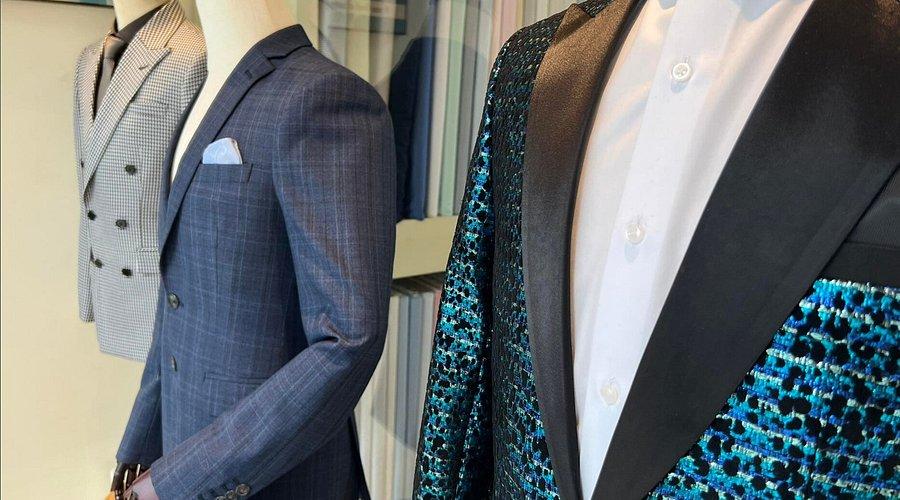
Finding a reliable tailor is essential if you want clothing that fits impeccably and lasts for years. In Khao Lak, known for its stunning beaches and relaxed lifestyle, the demand for high-quality tailoring is growing. For those who value precision, style, and comfort, locating the best tailor Khao Lak can transform your wardrobe. Expert Craftsmanship for Every Occasion A professional tailor...
Employee productivity is one of the most important factors that determine the success of any business. While technology, management, and workplace culture all contribute to performance, office design also plays a major role in influencing employee efficiency, creativity, and motivation. A thoughtfully designed office creates a comfortable and inspiring environment where employees can...