


Why Film Photography Still Feels Like Magic (And How to Get the Most Out of It)
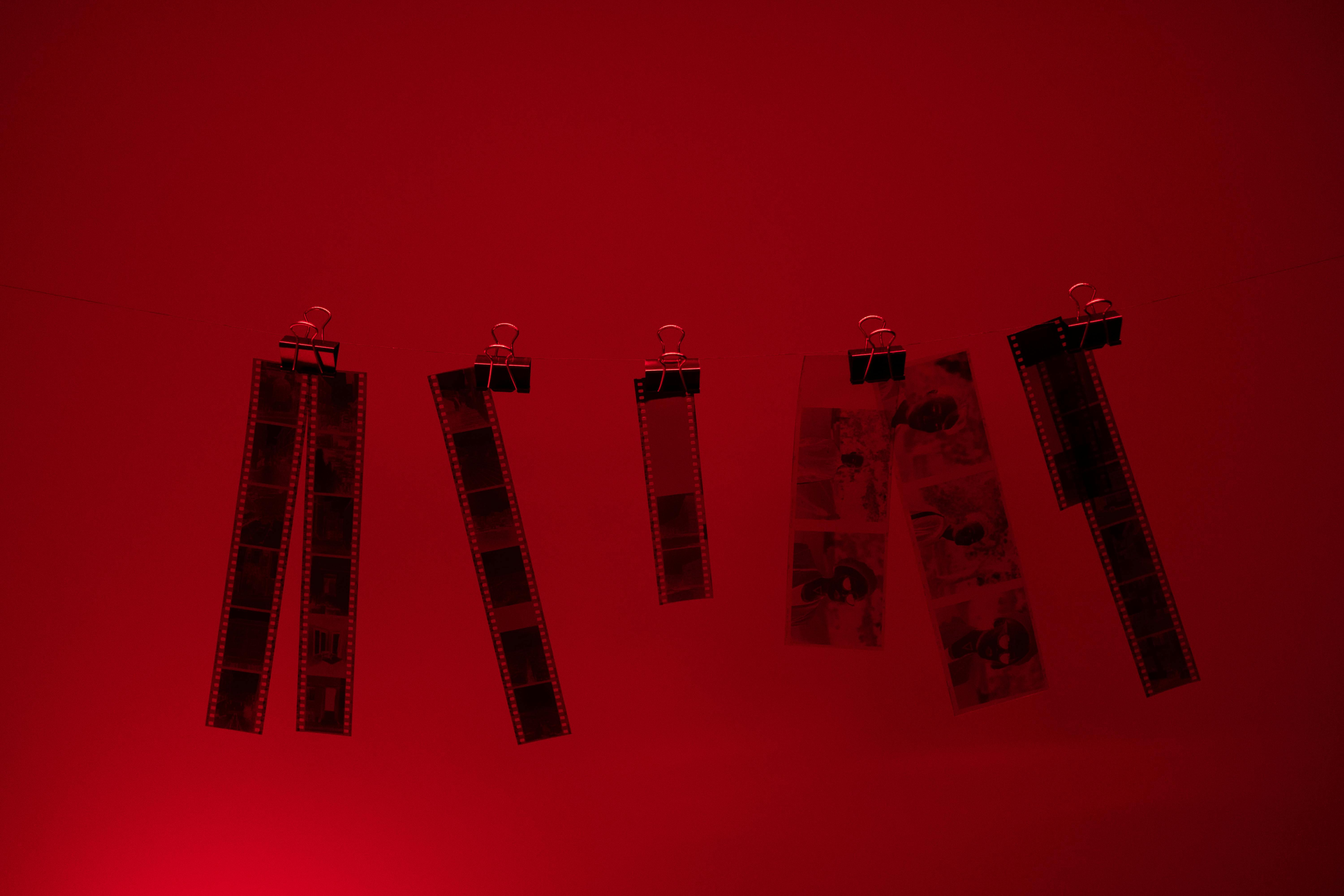
There is something deeply satisfying about holding a roll of film after a shoot. You do not know exactly what you captured. You were present in the moment, making decisions with light and exposure, trusting your eye and your instincts. That uncertainty is not a flaw in film photography. It is part of the experience, and for millions of photographers around the world, it is precisely why they keep coming back to it.
Film photography has been living through a genuine resurgence over the past several years. From teenagers discovering disposable cameras to working professionals returning to medium format, people from all walks of life are reconnecting with the physical, tactile side of making images. But once you shoot a roll, you need to get it processed, and that step matters more than most people realize. Professional film developing is not just a technical service. It is the bridge between the image you imagined and the image you actually get to see.
What Film Processing Actually Is
When you press the shutter on a film camera, you are exposing light-sensitive silver halide crystals onto a strip of plastic. The image is there, invisible, waiting. Processing is the series of chemical steps that turns those exposed crystals into a real, viewable image.
Depending on your film type, the process changes. Color negative film goes through what is called the C-41 process, a carefully controlled sequence of temperature-specific chemical baths. Slide film uses the E-6 process, which is more complex and far less common, so much so that only a small number of labs in the entire country still offer it. Black and white film has its own set of chemistry and timing, often adjusted based on the specific film brand, its ISO rating, and even the grain structure the photographer is going for.
Each of these processes requires precision. Temperature variations of even a degree or two can shift colors, affect contrast, or damage negatives. This is not something to leave to guesswork.
Why It Still Matters in a World Full of Digital Options
You might wonder why anyone would go through this when a digital camera gives you instant results. The honest answer is that film gives you something different, not better or worse, just genuinely different.
The color rendering of film has a depth and warmth that digital sensors still struggle to replicate naturally. Black and white film has a grain character that feels organic in a way that digital noise simply does not. And there is the psychological element too. Shooting with a limited number of frames makes you more deliberate. You slow down. You think before you shoot. Many photographers find that their overall eye improves when they spend time with film.
Beyond aesthetics, film photography connects you to a long tradition of image making. The same chemistry that processed Ansel Adams' landscapes is the foundation of what processes your rolls today. That history is not trivial. It is part of what gives film its cultural weight.
Why Professional Processing Makes a Real Difference
It is possible to process film at home, and plenty of photographers do it, especially for black and white. But for most people, especially those shooting color or slide film, a professional lab is the better choice by a significant margin.
Professional labs use dip and dunk processing systems, which are different from the roller-transport machines many discount labs used in the past. In dip and dunk processing, the film is suspended and moved through chemical baths without ever touching any rollers. This means no scratches, no pressure marks, and no mechanical damage to your negatives. It is a gentler, more controlled approach that produces consistently cleaner results.
Professional labs also calibrate their chemistry constantly. They use density tablets and standardized measurements to ensure that every batch of chemicals is working exactly as it should. For you, this means that the roll you dropped off today gets the same quality of care as the roll processed last week.
And when it comes to specialty processes like E-6 slide film, going professional is not really optional. These are processes with tight tolerances and specific equipment requirements. Very few labs have the capability, and even fewer do it well.
What to Expect When You Send In Your Film
If you have never used a professional film lab before, the process is straightforward and worth knowing. You choose your service options upfront. That might include push or pull processing if you shot at a different ISO than the film is rated, cut and sleeve options for how your negatives are returned, and whether you want scans, prints, or both.
Scans are particularly important if you want to share your images digitally or edit them on a computer. A good lab will offer multiple resolution options and use quality scanning equipment to make sure the scans actually represent what is on your negatives. Low quality scans can make good negatives look mediocre, so this step deserves attention.
Turnaround time varies depending on the service level you choose. Standard processing is typically faster, while value options take a bit longer but still deliver the same quality results. Many labs also accept film by mail, which makes professional processing accessible even if there is no lab near where you live.
When everything is done, you get your negatives back along with your scans or prints. Those negatives belong to you. Store them well, in archival sleeves and away from humidity and heat, and they can last for decades.
A Final Thought
Film photography rewards patience. It asks you to slow down, to trust the process, and to wait for results. That waiting, as frustrating as it can sometimes feel, is also part of what makes it so rewarding. When you finally see your images, developed and scanned and sharp on your screen, there is a satisfaction to it that is hard to describe to someone who has only ever shot digitally.
Finding a lab you trust is a big part of making that experience as good as it can be. The right lab takes your film seriously because it knows what those frames mean to you. The moment you pressed the shutter, something real happened. You deserve a lab that treats it that way.
الأقسام
إقرأ المزيد
According to the latest report published by Data Bridge Market Research, the New Energy Vehicles Market Data Bridge Market Research analyses that the global energy new energy vehicles market which was USD 432 billion in 2022, would rocket up to USD 956 billion by 2030, and is expected to undergo a CAGR of 22.55% during the forecast period. New Energy Vehicles Market research...

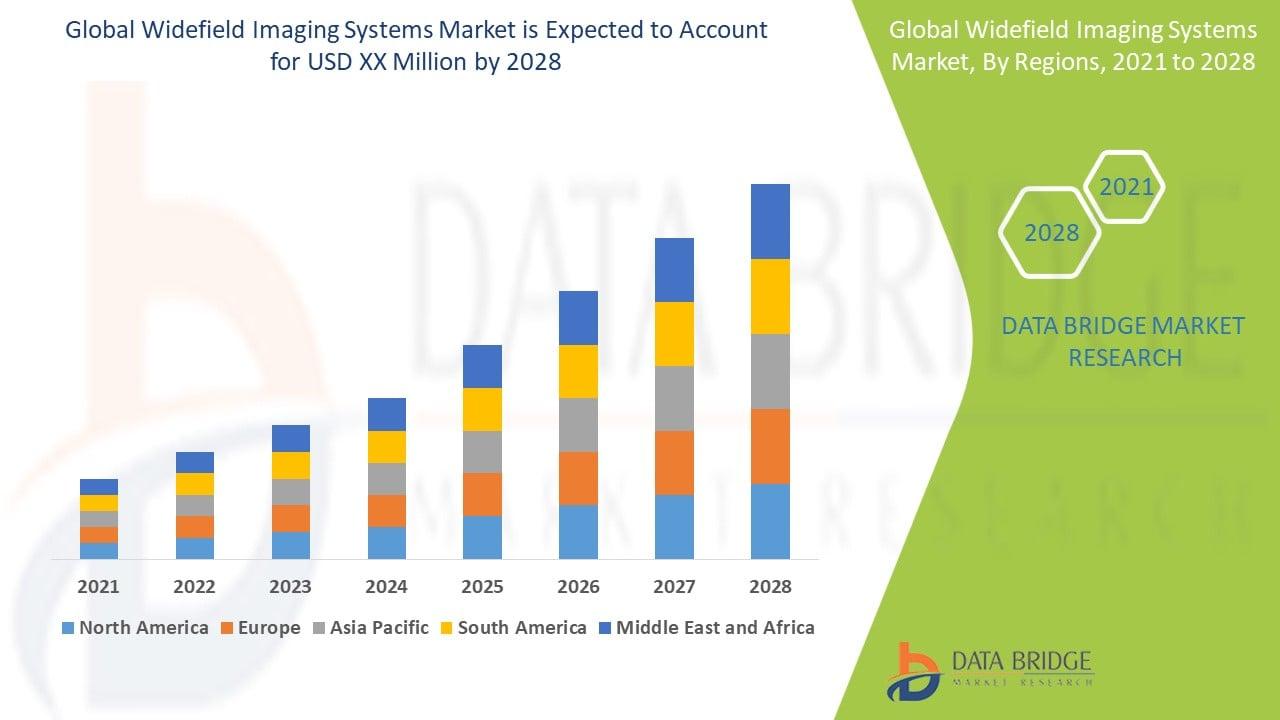
"Executive Summary Widefield Imaging Systems Market Research: Share and Size Intelligence CAGR Value The global widefield imaging systems market size was valued at USD 635.61 billion in 2024 and is projected to reach USD 1121.02 billion by 2032, with a CAGR of 7.35% during the forecast period of 2025 to 2032 This Widefield Imaging Systems Market research report is a painstaking...
Understanding Website Design as a Complete Digital ExperienceWebsite design is the creative and strategic process of planning, arranging, styling, and improving the visual and functional elements of a website. It combines layout, typography, color, imagery, navigation, content presentation, interaction, accessibility, responsiveness, and usability to create an online experience that feels clear...

In today’s fast-growing online betting industry, trust, security, and transparency are more important than ever. Players are not only looking for entertainment but also for platforms that provide reliability and peace of mind. One name that has been gaining strong recognition across Asia is Lu88. Known for its commitment to quality and safety, https://lu88a.ae.org/ has...

Global Demand Outlook for Executive Summary Radar Market Size and Share The global Radar Market is experiencing substantial growth due to increasing demand for advanced surveillance systems, defense modernization programs, and rising adoption of radar technologies across automotive, aerospace, marine, weather monitoring, and industrial applications. Radar systems use radio waves to detect,...