


Getting Started with CNC Tool Selection
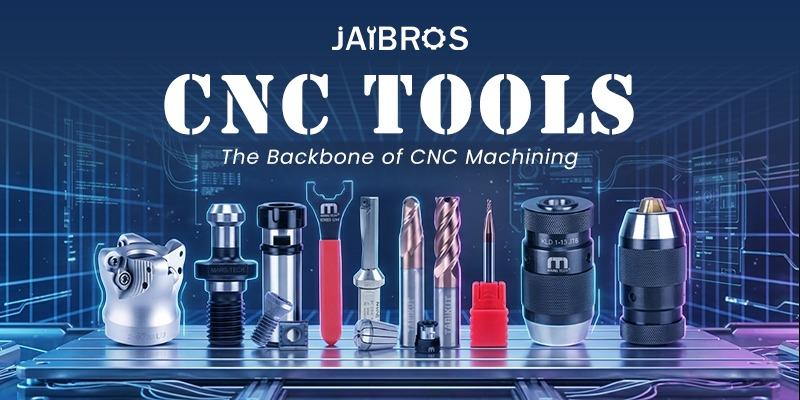
CNC Tool Selection Made Simple for Beginners
Starting with machining can feel overwhelming, especially when it comes to selecting the right tools. In modern manufacturing, precision, efficiency, and consistency are essential—and all of these depend heavily on choosing the right CNC tool.
Whether you are a beginner, a workshop owner, or a production manager, understanding how to select the correct tooling solution can significantly impact your results. The right tool improves performance, reduces downtime, and ensures better product quality, while the wrong choice can lead to frequent failures and increased costs.
This guide will help you understand the basics of CNC tool selection, making it easier to choose tools that match your machining needs and production goals.
Understanding CNC Tool Selection Basics
Tool selection is not just about picking any cutting tool—it involves analyzing your machining requirements and matching them with the right specifications. A CNC tool must be selected based on material, machine capability, and the type of operation being performed.
Across different types of CNC machine setups, tools are designed to perform specific functions such as drilling, milling, and turning. Selecting the correct tool ensures smooth operations and consistent results.
Step 1: Know Your Material
The first step in tool selection is understanding the material you are working with. Different materials require different cutting approaches.
For example:
-
Aluminum requires sharp tools with high cutting speed
-
Stainless steel needs strong and heat-resistant tools
-
Titanium requires durable and rigid tooling
Choosing the right CNC tool for the material ensures better cutting performance and reduces wear.
Step 2: Identify the Machining Operation
Each machining operation requires a specific type of tool. Common operations include:
-
Drilling
-
Milling
-
Turning
-
Boring
Using the correct CNC tool for each operation improves efficiency and ensures accurate results.
Step 3: Understand Tool Material and Coating
Modern tools are made from advanced materials such as carbide and high-speed steel. Coatings further enhance performance by reducing friction and increasing heat resistance.
Investing in the best CNC tools with proper coatings helps extend tool life and maintain consistent performance even under demanding conditions.
Step 4: Consider Machine Capability
Your machine’s capability plays a crucial role in tool selection. Factors such as spindle speed, power, and rigidity must be considered.
Different types of CNC machine systems require tools that match their specifications. Using incompatible tools can lead to poor performance and tool failure.
Step 5: Focus on Tool Geometry
Tool geometry affects cutting efficiency and surface finish. Parameters such as rake angle, clearance angle, and edge design determine how effectively a tool performs.
Selecting the right CNC tool geometry helps reduce cutting forces, improve chip evacuation, and enhance overall machining quality.
Step 6: Evaluate Cutting Parameters
Cutting parameters such as speed, feed rate, and depth of cut must align with the tool and material. Incorrect settings can cause excessive wear or breakage.
A properly selected CNC tool works efficiently when paired with the correct cutting parameters, ensuring smooth and stable machining operations.
Step 7: Choose Reliable Suppliers
The quality of your tools depends on the supplier you choose. Reliable suppliers provide consistent quality, technical support, and timely delivery.
Today, manufacturers can explore CNC tools online platforms to compare options and make informed decisions. Additionally, searching for CNC tools near me helps locate local suppliers for quick access and support.
Step 8: Balance Cost and Performance
While cost is an important factor, it should not be the only consideration. Low-cost tools may save money initially but often lead to higher maintenance and replacement costs.
Investing in a high-quality CNC tool ensures better performance, longer life, and overall cost efficiency in the long run.
Common Mistakes to Avoid
Choosing Tools Without Research
Selecting tools without understanding requirements can lead to poor results.
Ignoring Machine Compatibility
Using tools that do not match machine specifications can cause failures.
Focusing Only on Price
Cheap tools often result in higher long-term costs.
Skipping Maintenance
Regular inspection and maintenance are essential for tool longevity.
Benefits of Proper CNC Tool Selection
Improved Precision
Accurate tools ensure tight tolerances and high-quality finishes.
Increased Productivity
Efficient tools reduce cycle time and increase output.
Reduced Costs
Longer tool life and fewer breakdowns lower operational expenses.
Better Surface Finish
Optimised tools provide smoother finishes and reduce rework.
Future Trends in CNC Tool Selection
The future of machining is driven by automation, smart technology, and data-driven decision-making. Modern tools are becoming more advanced, offering improved durability and performance.
Manufacturers are increasingly adopting digital solutions to analyze tool performance and optimize machining processes. As technology evolves, selecting the right CNC tool will become even more critical for achieving competitive advantage.
Conclusion
Getting started with tool selection is a crucial step toward achieving success in machining. The right CNC tool ensures precision, efficiency, and consistent performance across different types of CNC machine systems.
By understanding material requirements, machine capabilities, and tool specifications, manufacturers can make informed decisions that improve productivity and reduce costs.
Choosing reliable and high-quality tools is essential, whether you source them through online CNC tool platforms or search locally using CNC tools near me. Investing in the best CNC tools helps businesses achieve long-term growth and operational excellence.
At Jaibros, we specialise in providing advanced tooling solutions designed to meet contemporary manufacturing needs. With a strong focus on quality, precision, and durability, Jaibros helps manufacturers select the right tools to enhance performance and achieve superior results in today’s competitive industry.
FAQs
Q1. What is CNC tool selection?
It is the process of choosing the right cutting tool based on material, machine, and machining operation.
Q2. Why is tool selection important?
Proper selection improves precision, reduces costs, and increases productivity.
Q3. How do I choose the right tool for my machine?
Consider machine capability, material type, and machining requirements.
Q4. Where can I buy CNC tools?
You can purchase them from online platforms or local suppliers.
Q5. What are the benefits of high-quality tools?
They offer better performance, longer life, and improved machining efficiency.
Kategoriler
Read More
The global angiography catheters market is experiencing strong momentum, driven by the growing burden of cardiovascular diseases (CVDs), rising preference for minimally invasive diagnostic and interventional procedures, and ongoing innovations in catheter-based imaging technologies. Industry estimates indicate that the market is expected to expand from USD 1.8 billion in 2025 to USD 3.41...

Healthcare is one of the most essential services for every community, and in a rapidly growing city like Navi Mumbai, access to quality medical care has become increasingly important. Terna Public Charitable Trust has emerged as a trusted name in healthcare, education, and social welfare by providing compassionate and affordable healthcare services to people across the region. With a mission...

Casino Plus is an online casino platform primarily popular in the Philippines, offering real-money gaming through a mix of slots, live dealer games, and card-based games. It operates under a license from PAGCOR (Philippine Amusement and Gaming Corporation), which is an official regulatory body in that region. Platform Overview Casino Plus focuses on accessibility and variety. The platform...

The global Engineering Professional Services Market Growth is witnessing substantial expansion due to increasing infrastructure development, digital transformation, and rising demand for advanced engineering solutions across industries. According to , the market was valued at US$ 2,275.00 billion in 2023 and is projected to reach US$ 4,151.53 billion by 2031,...
The North America Caviar Market represents a significant share of the global luxury seafood industry, driven by strong consumer demand for premium gourmet products, a thriving fine-dining culture, and the rapid adoption of sustainably farmed caviar. The region benefits from well-established aquaculture facilities, particularly in the United States, which have helped...