


Credit Card vs Personal Loan: Which Is Better in India (2026 Guide)v
Introduction
The topic of credit card vs personal loan has become increasingly important in India in 2026, as people face rising expenses like medical emergencies, weddings, and lifestyle needs. Many borrowers often find themselves confused about whether to use a credit card or opt for a personal loan. For example, consider a working professional in Lucknow earning ₹65,000 per month who suddenly needs ₹4 lakh for a wedding and ₹50,000 for a medical emergency. With a credit card from HDFC Bank and loan options from ICICI Bank available, choosing the right option becomes critical. This guide will clearly explain the difference between credit card vs personal loan and help you decide which is better for your needs.
What Is a Credit Card?
A credit card is a revolving line of credit offered by banks such as State Bank of India and HDFC Bank that allows users to spend now and pay later. It usually comes with an interest-free period of up to 45–50 days, making it attractive for short-term use. However, if the full amount is not paid on time, interest rates ranging from 23.88% to 45% per year are applied, which can significantly increase the repayment burden. In the context of credit card vs personal loan, credit cards are best suited for small expenses that can be repaid quickly, but they can become risky if used for large or long-term borrowing.
What Is a Personal Loan?
A personal loan is a fixed amount of money borrowed from banks or NBFCs like Bajaj Finserv or ICICI Bank, which is repaid through structured EMIs over a period of one to five years. Unlike credit cards, personal loans have lower interest rates starting from around 9.99% in 2026 and follow a reducing balance method, meaning the interest decreases as the principal is repaid. When comparing credit card vs personal loan, personal loans are generally more suitable for larger financial needs such as weddings, education, or medical emergencies because they offer predictable monthly payments and lower overall cost.
Credit Card vs Personal Loan: Key Differences
Understanding the core differences between credit card vs personal loan is essential before making a decision. Credit cards typically have very high interest rates compared to personal loans, which makes them expensive if the balance is carried forward. While credit cards provide flexible repayment options with minimum due payments, personal loans come with fixed EMIs, ensuring disciplined repayment. Additionally, credit card limits are usually restricted to ₹50,000–₹5 lakh, whereas personal loans from lenders like ICICI Bank can go up to ₹25 lakh or more. Overall, personal loans are more structured and cost-effective for most borrowing needs.
Which Is Cheaper: Credit Card vs Personal Loan?
When evaluating credit card vs personal loan, cost is the most important factor. For example, if you borrow ₹4 lakh through a personal loan at around 11.5% interest, your monthly EMI would be approximately ₹13,190, and the total interest paid would be around ₹75,000. On the other hand, using a credit card with an interest rate of 36% for the same amount could result in a monthly payment of around ₹18,000 and total interest exceeding ₹2.5 lakh. This huge difference clearly shows that personal loans are far more affordable than credit cards for medium to large expenses.
Credit Card vs Personal Loan for Emergencies
In emergency situations, choosing between credit card vs personal loan depends on the amount and repayment capacity. Credit cards are ideal for small emergencies under ₹50,000, especially if you can repay the amount within the interest-free period. However, for larger emergencies that require time to repay, a personal loan is a better option as it spreads the repayment over manageable EMIs. This makes personal loans a safer and more practical choice for most emergency financial needs.
Hidden Charges and Costs
Another important aspect of credit card vs personal loan is hidden charges. Personal loans may include processing fees ranging from 1% to 3.93% along with GST, which can add ₹8,000–₹18,000 on a ₹4 lakh loan. Credit cards, however, come with multiple hidden costs such as late payment fees, cash withdrawal charges, and high penalty interest rates. These additional charges often make credit cards more expensive than they initially appear, especially when payments are delayed.
Credit Card Debt Trap
One of the biggest risks in the credit card vs personal loan debate is falling into a debt trap. If a user spends ₹2 lakh on a credit card and continues to pay only the minimum due, the interest can quickly accumulate at rates of 36% or higher. Over time, the total repayment can increase to more than ₹3 lakh, resulting in massive interest costs. In contrast, a personal loan with a lower interest rate and fixed EMI structure helps borrowers repay the debt in a disciplined manner without spiraling out of control.
When Credit Card Is Better
Although personal loans are generally the better option, there are a few situations where credit cards can be advantageous in the credit card vs personal loan comparison. For example, if there is a 0% EMI offer for a short duration or if the borrowed amount is small and can be repaid quickly, using a credit card can save time and provide additional rewards or cashback benefits. However, these scenarios are limited and require careful financial discipline.
Approval and Eligibility
The approval process also differs in credit card vs personal loan. Credit cards are easier to obtain, especially for existing customers of banks like HDFC Bank, as they are based on income and usage history. Personal loans, on the other hand, require proper documentation such as PAN card, Aadhaar card, salary slips, or income tax returns. Approval for personal loans may take a few hours to a couple of days, but they offer better financial stability in the long run.
Financial Tips to Choose Wisely
To make the right decision in the credit card vs personal loan comparison, it is important to follow smart financial practices. Always maintain an emergency fund covering at least three to six months of expenses, keep your total EMIs below 50% of your income, and compare offers from multiple lenders like ICICI Bank and HDFC Bank before making a decision. Monitoring your credit score regularly also helps you secure better interest rates.
Final Verdict
In conclusion, the debate of credit card vs personal loan has a clear winner in most situations. Personal loans are generally the better choice due to their lower interest rates, structured repayment system, and overall affordability. Credit cards should only be used for small, short-term expenses that can be repaid quickly. For the majority of borrowers in India in 2026, choosing a personal loan over a credit card can lead to significant savings and better financial stability.
Catégories
Lire la suite
The FotMob app has renewed its role as the Official Live Score Partner for the Sidemen Charity Match 2026. This major event will take place at Wembley Stadium on April 18. Tickets sold out in less than two hours, showing huge demand from fans. Experience the excitement of the Sidemen Charity Match live at Wembley Stadium, where the Sidemen face off against top YouTube creators in a thrilling...

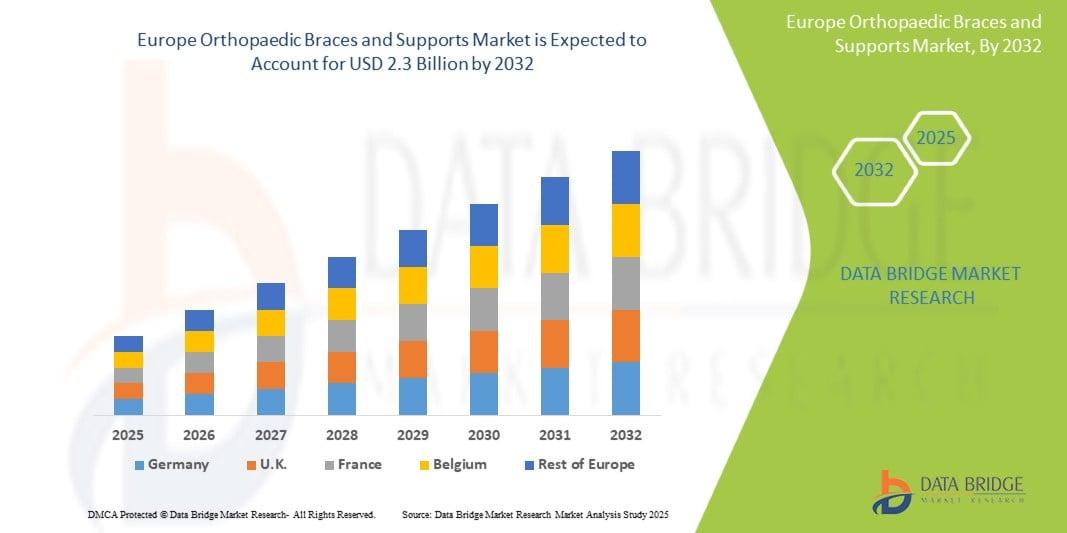
"Europe Orthopaedic Braces and Supports Market Summary: According to the latest report published by Data Bridge Market Research, the Europe Orthopaedic Braces and Supports Market The Europe Orthopaedic Braces and Supports Market was valued at USD 1.5 Billion in 2024 and is expected to reach USD 2.3 Billion by 2032, at a at a CAGR of...
Easy and Trusted Palo Alto Networks XDR-Analyst Exam Prep for Fast Results Many students feel confused before Palo Alto Networks XDR-Analyst exams. They study many books but still feel unsure. This wastes time and energy. Good Palo Alto Networks XDR Analyst certification exam preparation material helps fix this problem in a simple way. It keeps your study clear and...

Netflix subscribers received direct communication emphasizing immediate stability following the acquisition news The streaming giant clarified both Netflix and HBO Max will continue functioning independently for now Customers were informed no alterations to current memberships or service access are occurring today Regulatory approvals and shareholder consent remain pending steps before...

The Pin Insulators Market is a foundational segment within the electrical transmission and distribution (T&D) infrastructure sector. Pin insulators are essential components used to mechanically support and electrically isolate conductors from the utility pole or cross-arm, predominantly in medium-voltage distribution lines. The market’s health is directly tied to global investments...
