


What Industries Require MSHA Training and Why?
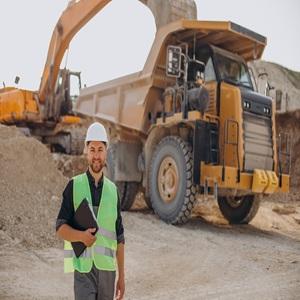
When people hear the word mining, they often picture coal or gold. However, the reality is much broader. Many industries rely on mining or mining-related work. Because of that, safety training under the Mine Safety and Health Administration applies to more than just traditional miners.
MSHA training is required anywhere workers are exposed to mining hazards. These hazards can include heavy equipment, unstable ground, dust, and limited visibility. The goal is simple. Keep workers safe and ensure companies follow federal rules.
Let’s break down which industries need this training and why it matters so much.
Traditional Mining Operations
First up, the most obvious one. Coal, metal, and nonmetal mining operations all require MSHA training.
Workers in these environments deal with high risk conditions every day. Underground mines involve tight spaces, ventilation systems, and emergency escape planning. Surface mines involve large equipment, traffic patterns, and changing ground conditions.
Because the risks are serious, training is mandatory before workers can begin their jobs. They must also complete annual refresher courses to stay up to date.
Aggregate and Quarry Operations
Next, there are aggregate industries. These include sand, gravel, limestone, and crushed stone operations. You might not think of these as mining, but they fall under MSHA rules.
Workers at quarries face hazards such as blasting areas, heavy trucks, and conveyor systems. Ground stability can also be an issue.
Training helps workers understand how to move safely around equipment and how to respond if something goes wrong. It also teaches hazard recognition, which is key in these busy environments.
Construction Work on Mine Sites
Here is where things can get a bit tricky. Construction workers do not always need MSHA training. However, if they are working on an active mine site, the rules change.
For example, if a crew is repairing equipment or building structures at a mine, they may be exposed to mining hazards. In that case, MSHA training is required.
This ensures that all workers on site follow the same safety standards. It also reduces confusion when multiple teams are working together.
Contractors and Service Providers
Many mining operations rely on contractors. These can include electricians, mechanics, truck drivers, and drilling specialists.
Even though they are not direct employees of the mine, they still face the same risks. Because of that, contractors must complete MSHA training before starting work.
This rule helps create a level playing field. Everyone on site understands the same safety procedures and expectations.
Milling and Processing Plants
Mining does not stop once materials are removed from the ground. Processing plants that crush, grind, or prepare materials also fall under MSHA in many cases.
Workers in these facilities deal with moving machinery, dust exposure, and chemical risks. Training teaches them how to handle these hazards safely.
It also covers emergency procedures, which are critical in enclosed processing areas.
Why MSHA Training Is So Important
So why do all these industries require MSHA training? The answer is simple. Mining related work is risky.
Without proper training, workers may not recognize hazards until it is too late. They may also panic during emergencies or make unsafe decisions.
MSHA training provides a clear set of guidelines. It teaches workers what to look for, how to respond, and how to protect themselves and others.
In short, it turns uncertainty into preparedness.
The Growing Role of Online Training
Now let’s talk about how training is delivered. In the past, most MSHA training took place in a classroom. That still happens, but online options are becoming more common.
Online training allows workers to attend scheduled sessions without traveling long distances. This is especially helpful for companies with multiple sites or tight schedules.
These sessions are structured and led by a live instructor. Workers can ask questions, join discussions, and review real life scenarios. This keeps the learning practical and engaging.
Online delivery also helps companies stay on track with deadlines. Training can be scheduled more easily, which supports better compliance.
Regional Example and MSHA Training in Wisconsin
Wisconsin has a strong presence in aggregate mining. Sand and gravel operations are common across the state.
Because of this, MSHA Training in Wisconsin plays a key role in keeping workers safe. Local crews must understand equipment safety, ground conditions, and site specific hazards.
Online training makes it easier for Wisconsin based workers to complete required courses. Instead of traveling to a distant location, they can attend sessions from their job site or a nearby office.
This flexibility helps companies maintain consistent training across different locations.
Keeping Everyone on the Same Page
One major benefit of MSHA training is consistency. When all workers receive the same instruction, it reduces confusion.
Everyone understands site rules, communication signals, and emergency procedures. This teamwork is critical in high risk environments.
Online sessions support this by bringing workers together, even if they are in different locations. Shared learning leads to better coordination on the job.
A Smart Approach to Safety and Compliance
Industries that require MSHA training share one thing in common. They involve exposure to mining hazards. Whether it is a quarry, a processing plant, or a construction crew on a mine site, the risks are real.
Training prepares workers to handle those risks. It also helps companies meet federal requirements and avoid penalties.
Online instruction adds another layer of convenience. It keeps training accessible, organized, and effective.
At the end of the day, MSHA training is not just about following rules. It is about protecting people and building safer workplaces across every industry connected to mining.
Categorii
Citeste mai mult
Mystic Trial Guide Access to the Mystic Trial begins once your castle level reaches 19, and you can enter it through the command center. In new servers, this feature becomes available after two weeks, or possibly three days following the initial castle battle—confirmation is pending. Note that certain mystic buildings may be inaccessible until you progress further in the game, as they...

"Europe Cold Plasma Market Summary: According to the latest report published by Data Bridge Market Research, the Europe Cold Plasma Market The Europe cold plasma market size was valued at USD 88.57 million in 2025 and is expected to reach USD 283.04 million by 2033, at a CAGR of 15.63% during the forecast period The Europe Cold Plasma Market analysis...

Online gaming has grown rapidly over the last few years, and in 2025 a new platform called FLY88 is gaining attention among players who enjoy safe, exciting, and convenient entertainment.fly88 is an online casino platform designed to provide a wide variety of games, a modern interface, and smooth performance for users around the world. The platform focuses on creating a...

Meilleur Code Promo 1xBet 2026 Codes bonus 1xBet 2026 ✓ Bonus à l'inscription ✓ Bonus de pari gratuit pour un pari gratuit ✓ Programme de fidélité ✓ Cashback Meilleur code promo 1xBet: "1XBONO200" qui vous permet de recevoir une offre de bienvenue de 100% jusqu'à 130€. Ce code promotionnel est valable tout au long de l'année 2026. En plus du code promo...

Expert Tips for Maintaining Your Wine Cooler's Ideal Temperature A wine cooler is more than just a storage appliance. It helps preserve the flavor, aroma, and quality of your wine by maintaining a stable temperature and humidity level. When a wine cooler begins to fluctuate in temperature or stops cooling properly, it can affect your entire collection. Regular maintenance and timely Appliance...
