Residential Phone Numbers in the UK: A Complete Guide
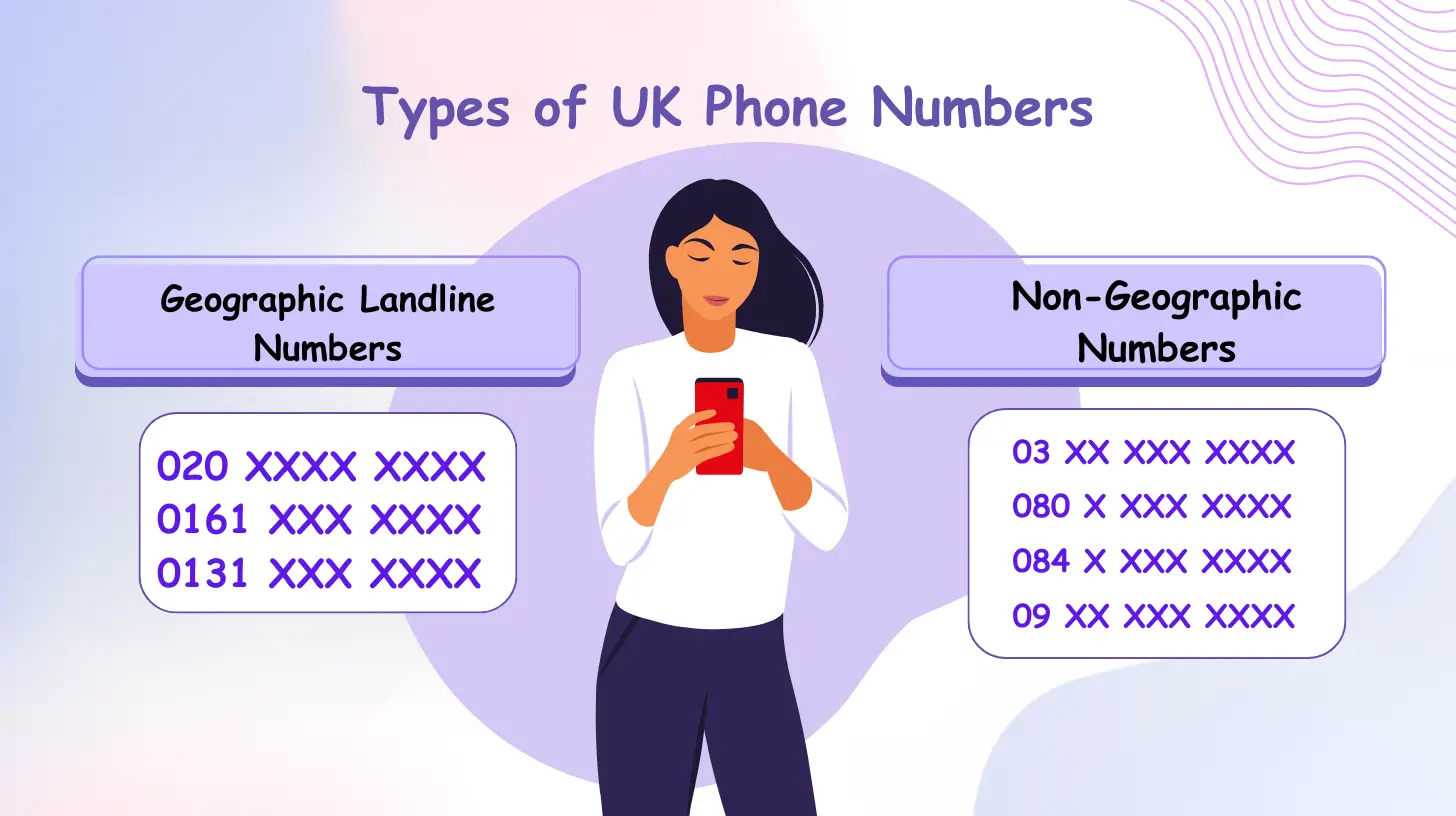
Residential phone numbers in the UK remain an essential part of communication, even in an increasingly mobile-driven world. While mobile phones dominate personal usage, landline numbers are still widely used in homes for reliability, broadband connections, and formal communication. Understanding how residential phone numbers in the UK work can be valuable for businesses, researchers, and individuals alike.
What Are Residential Phone Numbers?
Residential phone numbers refer to landline telephone numbers assigned to private households rather than businesses or mobile users. These numbers are typically linked to a physical address and are provided by telecommunications companies.
In the UK, residential numbers are part of the traditional Public Switched Telephone Network (PSTN), although many now operate through digital and VoIP (Voice over Internet Protocol) systems.
Structure of UK Residential Phone Numbers
UK residential phone numbers follow a standardized format regulated by Ofcom, the UK’s communications authority.
1. Country Code
The UK country code is +44. When dialing internationally, the leading zero is dropped.
Example:
-
Local: 020 7946 0958
-
International: +44 20 7946 0958
2. Area Codes
Area codes indicate geographic regions. Some common ones include:
-
020 – London
-
0161 – Manchester
-
0121 – Birmingham
-
0131 – Edinburgh
3. Local Number
This is the unique number assigned within the area code.
Types of Residential Phone Services
1. Traditional Landlines
These operate through copper telephone lines and are known for reliability, especially during power outages.
2. VoIP Landlines
Modern residential numbers often use internet-based services. Providers like BT Group and Virgin Media offer digital landline solutions.
3. Bundled Services
Many UK households receive landline numbers as part of broadband and TV packages.
Why Residential Numbers Are Still Relevant
1. Stability and Reliability
Landlines provide consistent connectivity, particularly in areas with weak mobile signals.
2. Broadband Requirements
Many broadband services still rely on a landline connection, even if it’s digital.
3. Trust and Credibility
Residential numbers are often perceived as more trustworthy for official communication.
4. Emergency Services
Landlines allow emergency services to identify the caller’s location more easily.
How to Obtain a Residential Phone Number in the UK
1. Choose a Service Provider
Popular providers include:
-
BT Group
-
Sky Group
-
Virgin Media
2. Select a Plan
Plans may include:
-
Pay-as-you-go calls
-
Unlimited local/national calls
-
International calling packages
3. Installation or Activation
Depending on the service, installation may involve setting up a physical line or configuring a digital router.
Uses of Residential Phone Numbers
1. Personal Communication
Used for daily communication within households.
2. Verification and Security
Many services use landline numbers for identity verification.
3. Directory Listings
Residential numbers may appear in public directories unless users opt out.
4. Market Research
Businesses sometimes use residential numbers for surveys and outreach.
Privacy and Data Protection
In the UK, residential phone number data is protected under strict regulations enforced by Information Commissioner's Office.
Key Points:
-
Individuals can opt out of public directories
-
Cold calling is regulated
-
Consent is required for marketing calls
The Telephone Preference Service (TPS) allows users to register their numbers to avoid unsolicited sales calls.
Challenges with Residential Phone Numbers
1. Declining Usage
With the rise of mobile phones, fewer households rely solely on landlines.
2. Spam and Nuisance Calls
Unwanted calls remain a concern, though regulations help reduce them.
3. Transition to Digital Networks
The UK is gradually moving from analog to digital phone systems, which may require upgrades for some households.
Future of Residential Phone Numbers in the UK
The UK telecom industry is transitioning to all-digital networks, with traditional copper lines being phased out. This shift means:
-
More VoIP-based residential numbers
-
Improved call quality and features
-
Integration with smart home systems
Despite these changes, residential phone numbers will continue to play an important role, especially in providing reliable and secure communication.
Conclusion
Residential phone numbers in the UK remain a vital communication tool, offering reliability, security, and integration with modern digital services. While technology continues to evolve, the role of landline numbers is adapting rather than disappearing.
Categorii
Citeste mai mult
"Comprehensive Outlook on Executive Summary Europe Cleanroom Technology Market Size and Share The Europe cleanroom technology market was valued at USD 1.30 billion in 2024 and is expected to reach USD 2.24 billion by 2032 During the forecast period of 2025 to 2032 the market is likely to grow at a CAGR of 7.1%, primarily driven by the rising demand for...

The luxury residential landscape of Gurgaon continues to evolve with the arrival of Sobha Crescent Gurgaon, a premium development by Sobha Limited in the rapidly growing Sector 63A micro-market. Strategically positioned on Golf Course Extension Road, the project has attracted attention from both homebuyers and investors looking for high-end residences in one of Gurgaon’s most desirable...

In today’s business world, your website is the first thing customers see. For startups, a website is not just a digital address—it is the foundation of brand identity, trust, and growth. With competition rising every day, startups in Dehradun must invest in a professional website designing service in Dehradun to create an online presence that stands out. Why Startups Need a...

Most food teams don’t wake up thinking about software. They wake up thinking about batches, yield, spoilage, missed specs, and why last night’s run went sideways. I’ve seen plants run on gut feel and sticky notes. It works, until it doesn’t. Food process optimization software steps in when the chaos gets expensive. It’s not magic. It’s visibility. You see...

Clay is a cornerstone material in 7 Days to Die, used in a wide range of recipes from early-game Farm Plots that sustain your food supply to mid-game items like Iron Arrowheads, Nails, and the Forged Iron or Forged Steel bars needed for advanced workstations and base defenses. However, the resource you pull from the ground is Clay Soil, not the refined Clay you need for crafting—you'll...