


Residential Phone Numbers in the UK: A Complete Guide
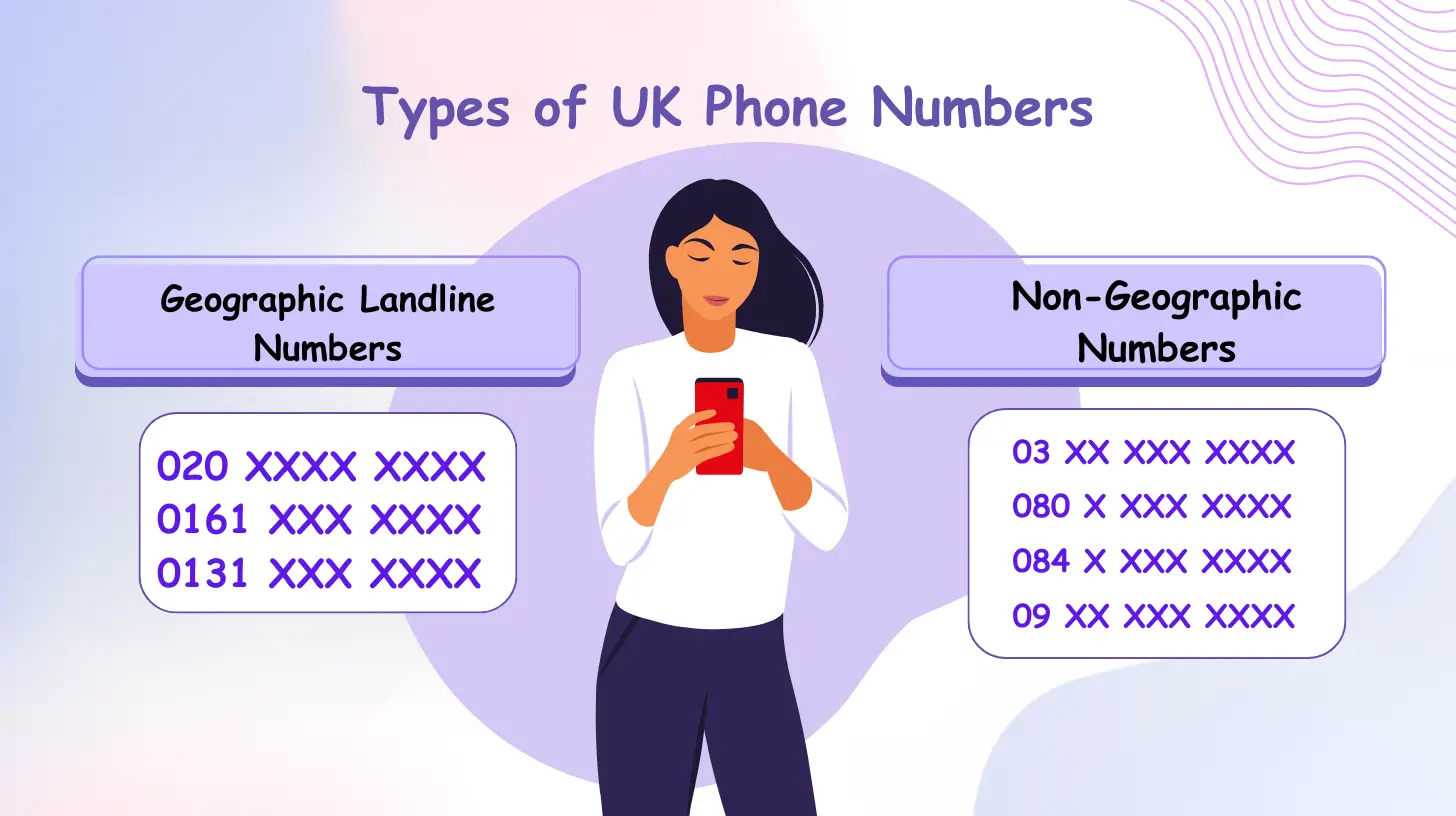
Residential phone numbers in the UK remain an essential part of communication, even in an increasingly mobile-driven world. While mobile phones dominate personal usage, landline numbers are still widely used in homes for reliability, broadband connections, and formal communication. Understanding how residential phone numbers in the UK work can be valuable for businesses, researchers, and individuals alike.
What Are Residential Phone Numbers?
Residential phone numbers refer to landline telephone numbers assigned to private households rather than businesses or mobile users. These numbers are typically linked to a physical address and are provided by telecommunications companies.
In the UK, residential numbers are part of the traditional Public Switched Telephone Network (PSTN), although many now operate through digital and VoIP (Voice over Internet Protocol) systems.
Structure of UK Residential Phone Numbers
UK residential phone numbers follow a standardized format regulated by Ofcom, the UK’s communications authority.
1. Country Code
The UK country code is +44. When dialing internationally, the leading zero is dropped.
Example:
-
Local: 020 7946 0958
-
International: +44 20 7946 0958
2. Area Codes
Area codes indicate geographic regions. Some common ones include:
-
020 – London
-
0161 – Manchester
-
0121 – Birmingham
-
0131 – Edinburgh
3. Local Number
This is the unique number assigned within the area code.
Types of Residential Phone Services
1. Traditional Landlines
These operate through copper telephone lines and are known for reliability, especially during power outages.
2. VoIP Landlines
Modern residential numbers often use internet-based services. Providers like BT Group and Virgin Media offer digital landline solutions.
3. Bundled Services
Many UK households receive landline numbers as part of broadband and TV packages.
Why Residential Numbers Are Still Relevant
1. Stability and Reliability
Landlines provide consistent connectivity, particularly in areas with weak mobile signals.
2. Broadband Requirements
Many broadband services still rely on a landline connection, even if it’s digital.
3. Trust and Credibility
Residential numbers are often perceived as more trustworthy for official communication.
4. Emergency Services
Landlines allow emergency services to identify the caller’s location more easily.
How to Obtain a Residential Phone Number in the UK
1. Choose a Service Provider
Popular providers include:
-
BT Group
-
Sky Group
-
Virgin Media
2. Select a Plan
Plans may include:
-
Pay-as-you-go calls
-
Unlimited local/national calls
-
International calling packages
3. Installation or Activation
Depending on the service, installation may involve setting up a physical line or configuring a digital router.
Uses of Residential Phone Numbers
1. Personal Communication
Used for daily communication within households.
2. Verification and Security
Many services use landline numbers for identity verification.
3. Directory Listings
Residential numbers may appear in public directories unless users opt out.
4. Market Research
Businesses sometimes use residential numbers for surveys and outreach.
Privacy and Data Protection
In the UK, residential phone number data is protected under strict regulations enforced by Information Commissioner's Office.
Key Points:
-
Individuals can opt out of public directories
-
Cold calling is regulated
-
Consent is required for marketing calls
The Telephone Preference Service (TPS) allows users to register their numbers to avoid unsolicited sales calls.
Challenges with Residential Phone Numbers
1. Declining Usage
With the rise of mobile phones, fewer households rely solely on landlines.
2. Spam and Nuisance Calls
Unwanted calls remain a concern, though regulations help reduce them.
3. Transition to Digital Networks
The UK is gradually moving from analog to digital phone systems, which may require upgrades for some households.
Future of Residential Phone Numbers in the UK
The UK telecom industry is transitioning to all-digital networks, with traditional copper lines being phased out. This shift means:
-
More VoIP-based residential numbers
-
Improved call quality and features
-
Integration with smart home systems
Despite these changes, residential phone numbers will continue to play an important role, especially in providing reliable and secure communication.
Conclusion
Residential phone numbers in the UK remain a vital communication tool, offering reliability, security, and integration with modern digital services. While technology continues to evolve, the role of landline numbers is adapting rather than disappearing.
Categories
Read More
Checkout.com Refuses Ransom Demands Following Data Breach A significant data security incident has been reported by Checkout.com, a prominent UK-based financial technology company. The global payment processing firm recently disclosed that cybercriminal group ShinyHunters successfully breached one of their outdated cloud storage systems and subsequently attempted to extort money from the...

Polki jewellery has long been associated with traditional Indian attire, but today’s fashion trends are rewriting the rules. Modern women are confidently blending heritage pieces with contemporary outfits, creating looks that are both elegant and unique. If styled correctly, Polki jewellery can elevate even the simplest Western outfit into a statement ensemble. At Tsukimii Jewel, we...

The Changing Needs of Business Communication Exchange Public Folders were once a practical way to share emails, calendars, and contacts across departments. As organizations have adopted Microsoft 365 and cloud-based collaboration, the limitations of this legacy technology have become more noticeable. Businesses now require secure, scalable, and well-organized systems that support collaboration,...

Dry eye syndrome (DES) is one of the fastest-growing ocular surface disorders globally, affecting millions of individuals and increasingly becoming a public health concern. Characterized by insufficient tear production or poor-quality tears, DES leads to chronic discomfort, irritation, visual disturbances, and a significant decline in quality of life. Lifestyle changes, an aging demographic,...

随着全球电子商务的快速发展,越来越多的企业和个人卖家开始进入跨境市场。面对多个平台、多家店铺以及复杂的运营环境,卖家对于账号安全、团队协作和运营效率提出了更高要求。紫鸟浏览器正是在这样的背景下诞生的一款专业跨境电商浏览器,为全球卖家提供安全、稳定、高效的运营环境...