Different Types of CNC Tools Used in Milling Machines
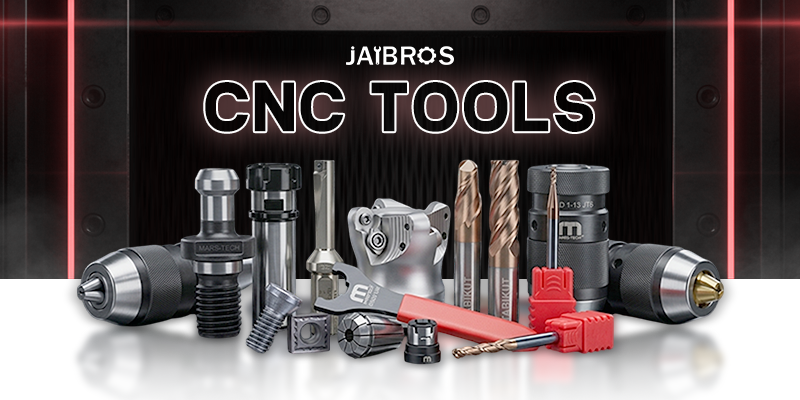
Discover different types of CNC tools used in milling machines, their uses, benefits, and how the right tools improve machining accuracy and productivity.
Different Types of CNC Tool Used in Milling Machines for Precision Machining
CNC milling machines play a major role in modern manufacturing industries. From automotive components to aerospace parts, milling machines help produce precise and complex shapes with high efficiency. However, the performance of these machines largely depends on the cutting tools used during machining.
Choosing the right CNC tool is essential for achieving accurate results, improving production speed, and maintaining high-quality finishes. Different tools are designed for specific cutting tasks such as drilling, slotting, contouring, and finishing. Each tool has a unique design and purpose, making it suitable for different materials and machining operations.
Understanding the different types of tools used in milling machines helps operators select the right option for their machining needs. This article explores the most common tools used in CNC milling operations and explains their applications, benefits, and importance in modern machining.
What Is a CNC Milling Tool?
A CNC tool used in milling machines is a cutting instrument that removes material from a workpiece to create a desired shape or dimension. These tools are typically mounted on the machine spindle and rotate at high speeds to perform precise cutting operations.
Milling tools are designed with multiple cutting edges that allow them to remove material efficiently. The design, material, and coating of the tool determine its cutting performance and durability. Manufacturers produce various milling tools to handle specific machining tasks, such as slotting, drilling, profiling, and finishing.
Importance of Choosing the Right CNC Milling Tool
Selecting the right tool for milling operations has a direct impact on machining efficiency and product quality. The correct tool ensures smooth cutting, reduces vibration, and improves dimensional accuracy.
Using the wrong tool can lead to several issues, including poor surface finish, excessive tool wear, and increased machining time. For this reason, machinists carefully evaluate factors such as material type, cutting speed, and machining operation before choosing a tool.
Today, manufacturers can easily find high-quality options through suppliers offering CNC tools online or by contacting local distributors when searching for CNC tools near me.
Common Types of CNC Tools Used in Milling Machines
1. End Mill
The end mill is one of the most commonly used tools in milling operations. This CNC tool is designed with cutting edges on both the tip and the sides, allowing it to perform a variety of cutting tasks.
End mills are used for operations such as slotting, profiling, contouring, and plunging. They are available in several types, including flat end mills, ball nose end mills, and corner radius end mills. These variations allow machinists to create complex shapes and smooth finishes on metal components.
2. Face Mill
Face mills are primarily used for surface milling operations. These tools remove material from the top surface of a workpiece to create a flat and smooth finish.
A CNC tool designed for face milling usually contains multiple replaceable inserts mounted on the tool body. These inserts perform the cutting action while the tool rotates at high speed. Face mills are commonly used in large-scale machining operations where flat surfaces need to be produced quickly and accurately.
3. Ball Nose Cutter
Ball nose cutters are designed with a rounded tip that allows them to create smooth, curved surfaces. This CNC tool is commonly used in 3D contouring applications and mold-making industries.
The rounded tip allows the tool to produce intricate shapes and fine surface finishes. It is widely used in industries where precision and detailed machining are required.
4. T-Slot Cutter
A T-slot cutter is a specialized milling tool used to create T-shaped slots in a workpiece. These slots are commonly used in machine tables and fixtures to hold components securely.
This type of CNC tool has a unique design with cutting edges on both sides of the tool head. It allows machinists to cut the horizontal portion of the slot after a straight groove has been created using another tool.
5. Drill Tool
Drill tools are used to create holes in a workpiece during milling operations. Although drilling is a separate machining process, many CNC milling machines are capable of performing drilling operations using appropriate tools.
A CNC tool used for drilling typically has two cutting edges and a pointed tip that helps guide the tool into the material. These tools are widely used in manufacturing industries to produce precise holes for bolts, screws, and other fasteners.
6. Chamfer Tool
Chamfer tools are used to create angled edges on a workpiece. These angled cuts help remove sharp edges and improve the overall appearance of the finished component.
A chamfer tool is also used to prepare parts for assembly by creating beveled edges that allow components to fit together smoothly.
7. Thread Milling Cutter
Thread milling cutters are used to create threads inside holes. This method of threading is often preferred because it provides better control and precision compared to traditional tapping methods.
A CNC designed for thread milling allows machinists to produce both internal and external threads with high accuracy. It is especially useful when working with hard materials.
Materials Used in CNC Milling Tools
CNC milling tools are manufactured using different materials depending on the machining requirements.
High-Speed Steel (HSS)
High-speed steel tools are affordable and suitable for general-purpose machining operations. They provide good durability and can handle moderate cutting speeds.
Carbide Tools
Carbide tools are widely used in modern machining due to their high hardness and heat resistance. Many manufacturers prefer carbide tools because they can operate at higher speeds and provide longer tool life.
Coated Tools
Advanced coatings such as titanium nitride and titanium aluminum nitride improve the performance of cutting tools by reducing friction and increasing durability.
Because of these advantages, many machinists prefer purchasing the best tools that include high-quality carbide materials and protective coatings.
How to Choose the Right Milling Tool
Selecting the correct milling tool involves several important factors.
Material of the Workpiece
Different materials, such as aluminum, steel, and stainless steel, require specific cutting tools for optimal results.
Type of Machining Operation
The operation being performed—such as slotting, drilling, or contouring—determines the type of tool required.
Cutting Speed and Feed Rate
Tools must be capable of handling the required cutting speed and feed rate without excessive wear.
Tool Durability
High-quality tools last longer and reduce downtime caused by frequent tool replacements.
Manufacturers in various industries rely on suppliers providing reliable tools india to ensure consistent machining performance.
Advantages of Using High-Quality CNC Milling Tools
Using high-quality milling tools provides several benefits for machining operations.
First, they improve machining accuracy and produce better surface finishes. Second, they reduce tool wear and increase tool life, which helps lower operational costs. Third, they allow machines to operate at higher speeds, improving productivity and efficiency.
With the availability of suppliers offering tools locally and online, businesses can easily source reliable equipment. Whether they search for CNC tools near me or prefer purchasing CNC tools online, modern supply chains provide convenient access to advanced machining solutions.
Conclusion
CNC milling machines rely on a wide variety of cutting tools to perform different machining operations. From end mills and face mills to chamfer tools and thread milling cutters, each tool serves a specific purpose in the manufacturing process. Understanding these tools helps machinists choose the right option for achieving precise results and efficient production.
Selecting high-quality tools is equally important. Manufacturers that invest in best tools can improve machining accuracy, reduce downtime, and enhance overall productivity. Reliable suppliers providing cnc tools india solutions play a significant role in supporting the growing demands of modern manufacturing industries.
At Jaibros, we focus on delivering dependable machining solutions for industrial professionals. Our platform offers a wide range of cutting tools and machining accessories designed to meet the needs of modern workshops and factories. Businesses looking for reliable suppliers of CNC tools online can explore our collection to find high-performance tools that support precision machining and long-term productivity.
FAQs
1. What are CNC milling tools used for?
CNC milling tools are used to remove material from a workpiece in order to create precise shapes, holes, slots, and surfaces during machining operations.
2. Which tool is most commonly used in CNC milling?
End mills are among the most commonly used tools in CNC milling because they can perform multiple operations, such as slotting, profiling, and contouring.
3. Why is tool selection important in CNC milling?
Proper tool selection improves machining accuracy, reduces tool wear, and ensures efficient cutting performance.
4. What materials are CNC milling tools made from?
Common materials include high-speed steel, carbide, and coated carbide tools designed to improve durability and heat resistance.
5. Where can manufacturers buy CNC milling tools?
Manufacturers can purchase cutting tools from industrial suppliers, local distributors, or online platforms that provide a wide range of machining equipment.
Categorias
Leia mais
Construction and pre-building sites in Abu Dhabi face unique pest challenges that, if ignored, can cause structural damage, project delays, and costly repairs. From termite infestations to rodent activity, unmanaged pest problems can compromise building integrity before projects are even completed. This is why professional Pest Control Abu Dhabi solutions are essential during the early stages...

KK55 Game is recognized as one of Asia’s leading and reputable online betting platforms, offering a fast, secure, and enjoyable gaming experience. Designed with advanced technology and user-friendly features, KK55 provides a reliable space where players can enjoy a wide variety of games with confidence and convenience. With ultra-fast deposit and withdrawal speeds completed in just...

Nohu Win là một nền tảng giải trí trực tuyến uy tín, chất lượng cao, được đông đảo người chơi Việt Nam tin tưởng lựa chọn. Với định hướng phát triển tích cực, minh bạch và bền vững, hệ thống luôn mang đến trải nghiệm an toàn, tiện lợi và hấp dẫn. Nền tảng này nổi bật nhờ công nghệ tiên tiến, giao diện...
Los accidentes de auto pueden ocurrir en cualquier momento, y sus consecuencias pueden ser devastadoras. Desde lesiones físicas hasta pérdidas económicas, las secuelas de un accidente pueden afectar significativamente su vida diaria. Contar con un Abogado de Accidentes de Auto en Atlanta experimentado es esencial para asegurarse de recibir la compensación que merece...

Explore the Best Online Entertainment Experience with https://kclub.fan/ In today’s fast-growing digital entertainment world, https://kclub.fan/ is becoming a popular destination for users looking for exciting online gaming and premium entertainment features. With its modern platform, smooth performance, and user-friendly interface, KCLUB provides a reliable and engaging experience for...