A Practical Comparison Of The Good Neighbor Next Door Discount

The Good Neighbor Next Door program is designed to encourage public servants, including teachers, firefighters, law enforcement officers, and emergency medical technicians, to purchase homes in revitalization areas. By offering significant discounts, typically up to 50% off the list price, the program makes homeownership more accessible for those who serve their communities.
For many participants, combining this program with FHA cash out refinance or other financing strategies allows them to further reduce costs and fund home improvements. Understanding how to apply for FHA loans and the nuances of different types of home loans helps buyers maximize the benefits of this unique program.
Eligibility Requirements And Participant Benefits
Who qualifies for the discount
Eligibility for the Good Neighbor Next Door program requires applicants to be employed full-time in qualifying public service roles. Properties must also be located in designated revitalization areas, which are defined by HUD based on economic and social criteria.
-
Eligible professions include teachers, law enforcement officers, firefighters, and EMTs
-
Property must be in a HUD-identified revitalization area
-
Applicants must commit to living in the home for at least three years
-
Participants can combine the discount with other loan programs if permitted
Comparison With Other Home Loan Options
How Good Neighbor Next Door stands out
When compared to traditional home loans, the Good Neighbor Next Door program offers unique advantages in cost savings and accessibility. While FHA loans, conventional loans, and other types of home loans require standard down payments and interest rates, this program provides a substantial upfront discount that can make homeownership achievable for public servants who might otherwise struggle to enter the market.
|
Loan/Program |
Key Benefit |
Eligibility Requirement |
Typical Use |
|
Good Neighbor Next Door |
Up to 50% discount on list price |
Full-time public service professional, HUD area |
Primary residence in revitalization area |
|
FHA Cash Out Refinance |
Access to home equity for cash or renovations |
Existing FHA loan, sufficient equity |
Funding home improvements or debt consolidation |
|
Conventional Loan |
Variety of property types and terms |
Credit and income standards |
Primary, secondary, or investment properties |
|
Standard FHA Loan |
Low down payment, flexible credit |
Creditworthiness and FHA guidelines |
Primary residence purchase |
Steps To Apply For The Good Neighbor Next Door Program
Ensuring a smooth application process
Applying for the program requires careful planning and understanding of HUD requirements. The following steps outline the general process:
-
Confirm eligibility based on profession and employment verification
-
Search for qualifying properties in designated revitalization areas
-
Submit an application through HUD’s official portal
-
Secure financing through FHA, conventional, or other approved loans
-
Complete the purchase and commit to the three-year occupancy requirement
Advantages For Participants
Financial and practical benefits
The Good Neighbor Next Door program offers several advantages beyond the discount itself. Participants can significantly reduce upfront costs, making homeownership more attainable. In some cases, combining the discount with FHA cash out refinance or low-interest loans allows homeowners to fund additional improvements, further increasing the property’s value and livability.
-
Substantial upfront cost savings
-
Opportunity to combine with FHA loans for renovations
-
Access to desirable revitalization areas at lower costs
-
Encouragement of community involvement and stability
Potential Limitations And Considerations
Understanding constraints before applying
While the program offers attractive benefits, it comes with certain limitations. The primary restriction is the requirement to live in the property for a minimum of three years, which may not suit everyone. Additionally, properties must be purchased in designated areas, which could limit choice. Understanding these limitations helps applicants make informed decisions about participating.

-
Mandatory three-year occupancy in the purchased property
-
Limited selection of homes in HUD revitalization areas
-
Must comply with program regulations and HUD guidelines
-
Potential need for additional financing to cover remaining costs
Combining The Program With FHA Financing
Maximizing the financial benefit
Many participants use FHA cash out refinance or standard FHA loans to complement the Good Neighbor Next Door discount. This combination can provide funds for renovations, energy efficiency improvements, or other property enhancements. Borrowers should evaluate their loan options carefully to ensure they select the most cost-effective and flexible financing approach.
Working with experienced FHA lenders ensures compliance with all program rules while taking full advantage of available funding. Proper planning allows homeowners to improve the property’s value and make a comfortable, long-term investment.
Case Studies And Real-World Examples
How the program benefits homeowners and communities
Several public servants have successfully leveraged the Good Neighbor Next Door program to purchase and improve homes. Teachers, police officers, and firefighters have used the upfront discount and FHA financing to transform properties in revitalization areas into comfortable, functional homes while contributing to neighborhood growth.
-
Teachers purchasing homes near schools, reducing commute times
-
Law enforcement officers renovating houses to stabilize neighborhoods
-
Firefighters improving properties while building equity for long-term financial security
-
EMTs combining program benefits with energy-efficient upgrades to save costs
Final Thoughts On The Good Neighbor Next Door Discount
A unique opportunity for public service professionals
The Good Neighbor Next Door program provides a rare chance for eligible public service professionals to purchase homes at significant discounts. By understanding how to apply for FHA loans, utilize FHA cash out refinance, and explore types of home loans, participants can maximize financial benefits and create long-term value.
While there are eligibility requirements and limitations, the program offers meaningful financial support and community-building opportunities. Proper planning, professional guidance, and strategic use of financing options can turn this program into a transformative experience, allowing public servants to invest in homes and neighborhoods that benefit both themselves and the communities they serve.
Категории
Больше
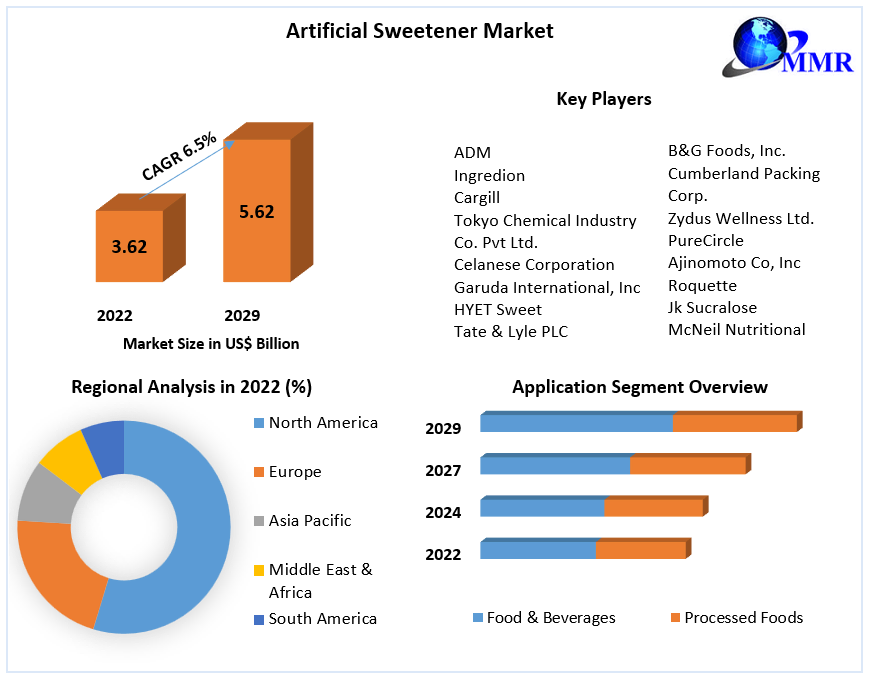
Global Artificial Sweetener Market Set for Food Innovation Boom: Projected to Reach USD 5.62 Billion by 2029 at a 6.5% CAGR. The Artificial Sweetener Market was valued at US$ 3.62 Billion in 2022, and is projected to scale rapidly to US$ 5.62 Billion by 2029, expanding at a robust compound annual growth rate (CAGR of 6.5%) throughout the forecast period. Driven by an intense...
Introduction Many graduates in Kerala finish their degree with one big question: "What should I learn to actually get an IT job?" The fear is real. Some students join courses that teach outdated topics. Others spend months learning online without building the skills companies expect. Many are also worried about placement claims that sound good in advertisements but do not lead to real...

Introduction Clinical trials generate large volumes of data from site visits, patient assessments, laboratory tests, medical devices, and source documents. When this information is first recorded on paper and later entered into an electronic data capture system, research teams may experience delays, transcription errors, and additional verification work. An eSource platform changes this process...

The Brazil Control Valve Market is witnessing a remarkable transformation, expected to reach a staggering market size of approximately $625.68 million by 2035, growing at a compound annual growth rate (CAGR) of 11.19%. This significant uptick can largely be attributed to advancements in technology and a rising focus on sustainability across various sectors. With a robust market size of $210.24...

Efficient packaging methods continue to shape daily operations across healthcare and laboratory settings. Sterilization Gusseted Roll from Hopeway AMD is designed for professionals seeking adaptable packaging solutions that support instrument organization and sterilization preparation. Its expandable structure allows accommodation for items with varied dimensions, creating more flexibility for...