Traffic Management Systems Market Forecast 2026–2036: Global Market to Reach USD 78.5 Billion by 2036

The global traffic management systems (TMS) market is poised for robust expansion over the next decade, growing from approximately USD 28.8 billion in 2026 to nearly USD 78.5 billion by 2036, reflecting a strong CAGR of 10.5%, according to insights from Future Market Insights (FMI).
This growth is being fueled by the rapid transformation of urban mobility infrastructure, where cities are transitioning from conventional traffic control mechanisms to intelligent, data-driven traffic ecosystems. Governments and urban planners are increasingly investing in smart city initiatives, integrating advanced technologies such as AI, IoT, and real-time analytics to improve traffic flow, reduce congestion, and enhance road safety.
Traffic Management Systems Market Snapshot (2026–2036)
-
Market size in 2026: USD 28.8 billion
-
Market size in 2036: USD 78.5 billion
-
CAGR (2026–2036): 10.5%
-
Leading solution type: Urban Traffic Management & Control Systems
-
Dominant component: Hardware (sensors, cameras, signal systems)
-
Key growth regions: Asia Pacific, North America, Europe
-
Fastest-growing countries: India, China, U.S., Germany, United Kingdom
Momentum in the Market
The traffic management systems market is entering a high-growth phase as urbanization accelerates and vehicle ownership rises globally. Starting at USD 28.8 billion in 2026, the market is expected to surpass USD 48 billion by 2031, driven by large-scale smart infrastructure deployments and digital transformation of transport networks.
Between 2031 and 2036, growth will further accelerate as cities adopt predictive traffic modeling, connected vehicle ecosystems, and integrated mobility platforms. By 2036, the market is projected to reach USD 78.5 billion, maintaining a strong double-digit growth trajectory.
The Reasons Behind the Market’s Growth
The rising demand for efficient traffic flow and congestion reduction is at the core of TMS adoption. Urban centers are facing increasing pressure from population growth and vehicle density, making traditional traffic control methods inadequate.
Modern traffic management systems provide real-time monitoring, adaptive signal control, and incident detection capabilities. These systems leverage advanced technologies to dynamically adjust traffic signals, reroute vehicles, and optimize road usage.
Additionally, governments are prioritizing road safety and emission reduction, further boosting investments in intelligent traffic systems. The integration of TMS with public transportation networks and emergency response systems is also enhancing overall urban mobility efficiency.
Top Segment Insights
Solution Type: Urban Traffic Management & Control Systems Lead Adoption
Urban traffic management systems dominate the market, as cities focus on optimizing traffic flow through centralized control platforms. These systems enable real-time decision-making and coordinated signal operations across large urban networks.
Highway traffic management systems are also gaining traction, particularly in developed economies, where long-distance traffic monitoring and incident management are critical.
Component Category: Hardware Maintains Strong Demand
Hardware components, including surveillance cameras, sensors, and traffic signals, continue to account for a significant share of the market. These physical systems form the backbone of traffic monitoring infrastructure.
However, software and services are emerging as fast-growing segments, driven by the need for data analytics, cloud integration, and system maintenance.
Regional Development
Asia Pacific Leads with Rapid Urbanization
Asia Pacific is the most dynamic region in the TMS market, led by countries such as China and India. Rapid urban expansion, increasing vehicle ownership, and government-led smart city initiatives are driving adoption.
India, in particular, is witnessing strong growth due to infrastructure modernization and digital transformation in urban transport systems.
North America Maintains Technological Leadership
North America continues to hold a substantial market share, supported by early adoption of intelligent transportation systems and significant investments in smart infrastructure. The United States leads the region with continuous upgrades to traffic management technologies.
Europe Focuses on Sustainability and Efficiency
Europe shows steady growth, driven by stringent environmental regulations and a strong focus on reducing traffic congestion and emissions. Countries like Germany and the United Kingdom are investing heavily in smart mobility solutions.
Challenges, Trends, Opportunities, and Drivers
Drivers:
-
Increasing urbanization and vehicle density
-
Government investments in smart city projects
-
Rising demand for road safety and traffic efficiency
Opportunities:
-
Integration with autonomous and connected vehicles
-
Expansion of cloud-based traffic management platforms
-
Development of AI-powered predictive traffic systems
Trends:
-
Adoption of IoT-enabled traffic monitoring systems
-
Shift toward real-time data analytics and automation
-
Growing use of AI for traffic prediction and optimization
Challenges:
-
High initial implementation costs
-
Integration complexities with legacy infrastructure
-
Data privacy and cybersecurity concerns
Country Growth Outlook (CAGR 2026–2036)
-
India: 12.2%
-
China: 11.5%
-
United States: 9.8%
-
Germany: 9.2%
-
United Kingdom: 8.9%
The Competitive Environment
The traffic management systems market is highly competitive, with key players focusing on technological innovation, system integration capabilities, and strategic partnerships.
Leading companies are investing in AI-driven traffic solutions, cloud-based platforms, and scalable infrastructure to strengthen their market position. Collaborations with government agencies and urban planners are also playing a crucial role in securing large-scale projects.
Major players in the market include Siemens AG, Cisco Systems Inc., IBM Corporation, Schneider Electric SE, and Thales Group. These companies are continuously enhancing their product portfolios to address evolving urban mobility challenges.
Final Outlook
The global traffic management systems market is undergoing a transformative shift, moving toward intelligent, connected, and autonomous traffic ecosystems. As cities strive to become smarter and more sustainable, the demand for advanced traffic management solutions will continue to surge.
With strong growth prospects, increasing technological adoption, and expanding smart city initiatives, the TMS market is set to play a pivotal role in shaping the future of urban mobility through 2036 - https://www.futuremarketinsights.com/reports/traffic-management-systems-market
Categorii
Citeste mai mult
Sustainable Tire Market Accelerates Growth with Rising Demand for Eco-Friendly Mobility Solutions The global Sustainable Tire Market is witnessing unprecedented growth as automotive manufacturers and consumers increasingly prioritize environmentally friendly and high-performance tire solutions. Valued at USD 125.40 million in 2024, the market is projected to reach USD 867.49 million...

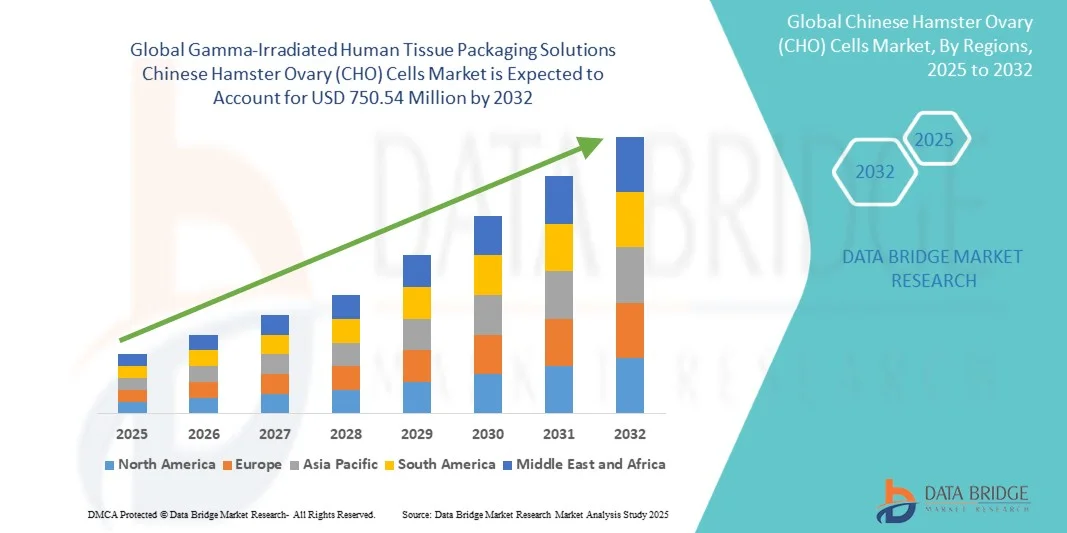
"Executive Summary Chinese Hamster Ovary (CHO) Cells Market: Share, Size & Strategic Insights The Global Chinese Hamster Ovary (CHO) Cells Market was valued at USD 394.42 Million in 2024 and is expected to reach USD 750.54 Million by 2032 at a CAGR of 8.5% during the forecast period The Chinese Hamster Ovary (CHO) Cells report makes available a thoughtful...
The Power of Patience in Forex and Indices Trading In today’s fast-paced trading environment, patience has become rare. Social media promotes aggressive gains, instant funding, and rapid scaling. But in professional trading, patience is not weakness — it is strength. The traders who sustain long-term performance inside the Best prop firm of Nigeria are not the most aggressive. They...

Polaris Market Research has introduced the latest market research report titled Global Brain Machine Interface Market Size, Share, Trends, Industry Analysis Report: By Component, By Product Type (Invasive, Non-Invasive and Partially Invasive) Technology, Application, End Users and Region (North America, Europe, Asia-Pacific, Latin America, and Middle East & Africa) – Market...

To get in touch with AOL Tech Support ║⇠+1↯830202↯2276))⊹║ call their dedicated support numbers (toll-free). The support team is available 24/7 to help with any technical issues related to your AOL email account. AOL remains a trusted name for millions of users worldwide. However, even the most reliable platforms can experience issues from time to time. Whether you’re facing...