Fake ESA Letters: How to Spot Scams – RealEsaLetter Guide

The market for fraudulent ESA documentation has grown significantly in 2026. Hundreds of websites sell letters that look official but carry no legal standing under the Fair Housing Act. Landlords reject them. Universities flag them. HUD has publicly warned against them. The consequences for ESA owners who unknowingly purchase a fake ESA letter range from denied housing applications to lease violations and financial loss. The most direct protection is knowing exactly what a legitimate letter looks like and where to get one.
If you are asking where can I get a legit ESA letter, RealESALetter.com connects you with state-licensed mental health professionals who conduct genuine evaluations and issue FHA-compliant letters within 24 hours, backed by a 100% money-back guarantee.
What Makes an ESA Letter Legitimate
Under HUD Notice FHEO-2020-01, a valid ESA letter must come from a licensed mental health professional who has a genuine provider-patient relationship with the individual requesting the letter. The document must include specific elements that landlords and housing providers are permitted to verify.
A legitimate ESA letter contains all of the following:
- Official professional letterhead from the therapist's licensed practice
- Full name, license type, and license number of the issuing mental health professional
- State of licensure, which must be verifiable in that state's licensing database
- Patient's name and date of birth
- Confirmation of a qualifying DSM-5 condition without disclosing the specific diagnosis to the landlord
- Statement that the ESA is a necessary part of the patient's treatment plan
- Date of issuance and therapist's signature
Landlords can legally verify every item on this list. They can cross-check the therapist's license number against state licensing databases. They can confirm the license is active and issued in the correct state. If any element is missing, falsified, or unverifiable, the landlord has legal grounds to reject the letter and deny the accommodation request. A fraudulent ESA letter fails this verification instantly.
The ESA Registration Scam
One of the most widespread forms of ESA letter scam involves websites selling registration certificates, ID cards, vests, or database entries as legal documentation. These products have no legal standing whatsoever under U.S. federal law.
There is no official government ESA registry in the United States. No federal agency, including HUD, the Department of Justice, or any state authority, maintains an ESA database. Any website claiming to register your animal in an "official" system is selling a fraudulent product. The Department of Housing and Urban Development has explicitly stated that vests, ID cards, and registration certificates are not required and provide no legal protection under the Fair Housing Act.
These scams typically charge between $49 and $99 for a package that includes a certificate, an ID card, and sometimes a vest. None of these items means anything to a landlord conducting a verification check. When the landlord asks for an ESA letter from a licensed professional and the tenant produces a registration certificate instead, the accommodation request fails immediately.
Understanding exactly why these registrations are worthless is important before handing over any money. The complete explanation of the ESA registration scam covers what the law actually requires, why no registry exists, and how to recognize sites selling these fraudulent products.
7 Red Flags of a Fake ESA Letter
Identifying a fake ESA letter before you purchase saves time, money, and housing stability. These seven red flags appear consistently across fraudulent providers operating in 2026.
- Instant approval with no evaluation. Any site promising an ESA letter in 5, 10, or 15 minutes without speaking to a licensed professional is selling invalid documentation. HUD requires a genuine clinical relationship.
- Guaranteed approval. Legitimate providers turn down requests that do not meet clinical criteria. A site that guarantees approval regardless of your mental health history is not conducting real evaluations.
- Unverifiable license information. If the letter lists a license number that does not appear in any state licensing database or provides only a first name for the therapist, the letter will not survive landlord verification.
- No telehealth consultation required. A real evaluation involves a licensed professional reviewing your condition. Automated questionnaires with no live consultation do not qualify as clinical evaluation under HUD standards.
- Prices under $50. A licensed therapist's time and clinical judgment cost money. Letters priced under $50 skip the evaluation entirely, producing documents with no clinical foundation.
- Selling ESA certificates, ID cards, or vests. These products have no legal standing and indicate the provider does not understand, or deliberately misrepresents, how ESA law works.
- No money-back guarantee. Legitimate providers stand behind their letters because they know the documentation is accurate. Fraudulent sites typically offer no refunds.
The full breakdown of every red flag with real examples from 2025 and 2026 is available in the detailed guide on how to identify a real vs fake ESA letter, which also explains how landlords and universities conduct verification checks.
Why Cheap ESA Letters Fail Landlords
The pricing of an ESA letter reflects whether a real clinical evaluation occurred. Legitimate evaluations require a licensed professional to review your mental health history, assess your condition against DSM-5 criteria, and determine whether an emotional support animal is therapeutically appropriate. That process takes time and carries professional liability.
Invalid ESA documentation sold for under $100 bypasses this entirely. These services use automated questionnaires, rubber-stamp approvals, and pre-written templates. The resulting letter may look similar to a legitimate one on screen, but it lacks the clinical foundation landlords now know to check.
In practice, the consequences are severe. Several universities, including UCLA, rejected batches of student ESA letters after discovering that the listed providers either had inactive licenses, were licensed in different states than claimed, or had no record in any state database at all. Apartment management companies in major cities now routinely verify provider licenses before approving ESA accommodation requests.
The pattern of how these cheap services operate and why landlords increasingly reject them is documented in the investigation of cheap ESA letter scams, which covers pricing red flags, what a real evaluation costs, and what to expect from a legitimate provider.
How RealESALetter.com Avoids Every Scam Pattern
RealESALetter.com was built specifically around the clinical and legal standards that make an ESA letter actually work. The platform has issued more than 15,000 legitimate ESA letters since 2019, earning a 4.97 out of 5 rating from verified customers across all 50 states.
Every letter issued through RealESALetter.com reflects a genuine clinical evaluation by a licensed mental health professional in the patient's state. There are no instant approvals, no automated questionnaires without professional review, and no registration certificates sold as substitutes for real documentation.
The process follows four straightforward steps:
- Complete a free online qualification questionnaire from home
- Get matched with a licensed mental health professional in your state for a genuine evaluation
- Attend a brief telehealth consultation if the clinician requires additional information
- Receive your FHA-compliant ESA letter digitally within 24 hours of approval
If a landlord questions the letter's legitimacy, RealESALetter.com provides direct verification support. The issuing therapist's credentials are available for landlord review, and the customer support team is available seven days a week at no additional cost.
The full investigation into which sites consistently fail verification checks and why RealESALetter.com passes them is covered in research on fake ESA websites exposed, which documents the specific practices of fraudulent providers and the patterns that distinguish legitimate services.
For an independent perspective on whether RealESALetter.com delivers what it promises, an honest 2026 review of RealESALetter.com covers customer experiences, landlord acceptance rates, and how the service compares to other providers currently operating.
Frequently Asked Questions
Can a landlord legally reject my ESA letter?
Yes, if the letter was issued without a genuine clinical evaluation, lists an unverifiable or inactive license, lacks required elements under HUD guidelines, or was produced by a provider the landlord can identify as fraudulent. A valid letter from a licensed professional following a real evaluation holds up to verification. A fake ESA letter does not.
Is there an official ESA registry I need to sign up for?
No. No official ESA registry exists in the United States. HUD and the Fair Housing Act do not recognize any registration system, database, ID card, or vest as valid ESA documentation. The only legally recognized document is an ESA letter from a licensed mental health professional.
What is the minimum price for a legitimate ESA letter?
A legitimate ESA letter requires a licensed professional's clinical evaluation, which carries a real cost. Most reputable providers charge between $100 and $200. Letters priced under $50 consistently skip real evaluation and produce documents with no legal standing under the FHA.
Can I verify if my ESA letter is legitimate before submitting it to my landlord?
Yes. Check the letter for the therapist's full name, license type, license number, and state of licensure. Then search that license number in your state's professional licensing database. If the license is active, in the correct state, and issued to the named professional, your letter has the foundation to pass verification.
What happens if my landlord discovers my ESA letter is fraudulent?
The landlord can legally deny your accommodation request. You may also face lease enforcement actions, eviction proceedings, and loss of the fees you paid for fraudulent documentation. In states with specific ESA misrepresentation statutes, there may be additional legal consequences depending on how the fraudulent letter was obtained and used.
Conclusion
A fake ESA letter creates a false sense of security that collapses the moment a landlord checks credentials. The ESA scam industry thrives on people who do not yet know what verification looks like. Knowing the red flags, understanding why registrations and cheap letters fail, and choosing a provider whose therapists hold active, verifiable state licenses protects both your housing rights and your investment. RealESALetter.com provides the only thing that actually works: a genuine clinical evaluation by a licensed professional, producing documentation that landlords and housing providers across all 50 states consistently accept.
Catégories
Lire la suite
When it comes to dependable craftsmanship and all-in-one home improvement solutions in Tallahassee, Watson & Sons Carpentry stands out as a reliable, family-owned service provider. Known for combining skilled workmanship with customer-focused service, this company has become a go-to choice for both residential and commercial projects. A Company Built on Trust and Craftsmanship Watson &...

Trong thời đại công nghệ số phát triển mạnh mẽ, giải trí trực tuyến đã trở thành một phần quen thuộc trong cuộc sống của nhiều người. Người dùng ngày nay không chỉ tìm kiếm các trò chơi thú vị mà còn mong muốn một nền tảng ổn định, an toàn và dễ sử dụng....

In today’s fast-paced world, maintaining strong cognitive performance has become increasingly challenging. Many adults struggle with issues such as forgetfulness, mental fatigue, lack of focus, and difficulty processing information efficiently. These challenges are often linked to stress, aging, poor sleep, nutritional deficiencies, and constant digital overload. As a result, there is...
Global Demand Outlook for Executive Summary Topical Keratolytics Market Size and Share The global topical keratolytics market size was valued at USD 1.58 billion in 2024 and is expected to reach USD 2.44 billion by 2032, at a CAGR of 5.58% during the forecast period. For a constantly increasing business growth and maximum return on investment (ROI),...
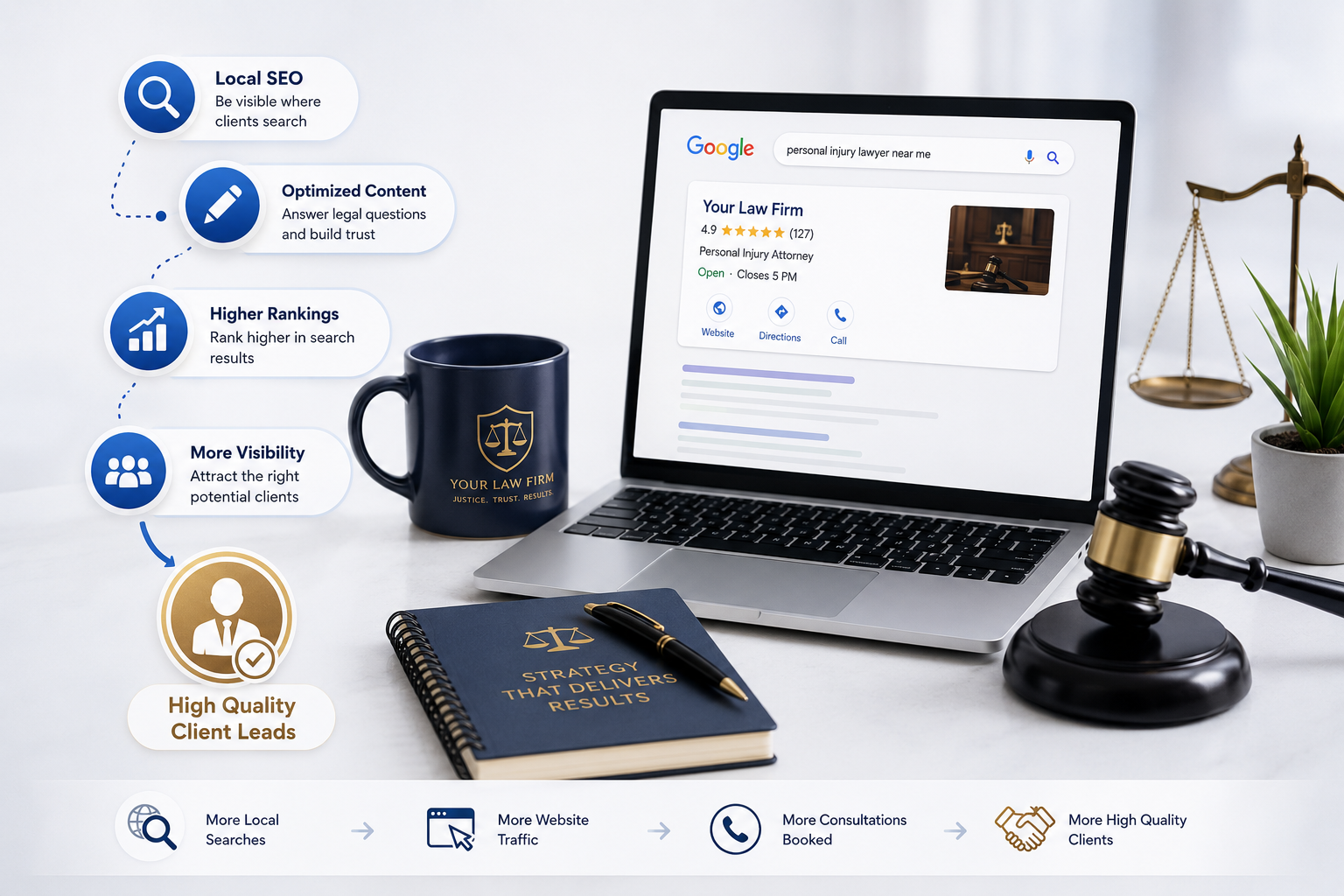
The legal industry has become increasingly competitive in the digital era. Most people now search online before choosing a lawyer or legal consultant, whether they need help with corporate law, family disputes, criminal defense, or property matters. Search engines like Google have become the primary platform where potential clients discover legal services. When users search for terms such as:...