What Foods Help with Nausea Relief?
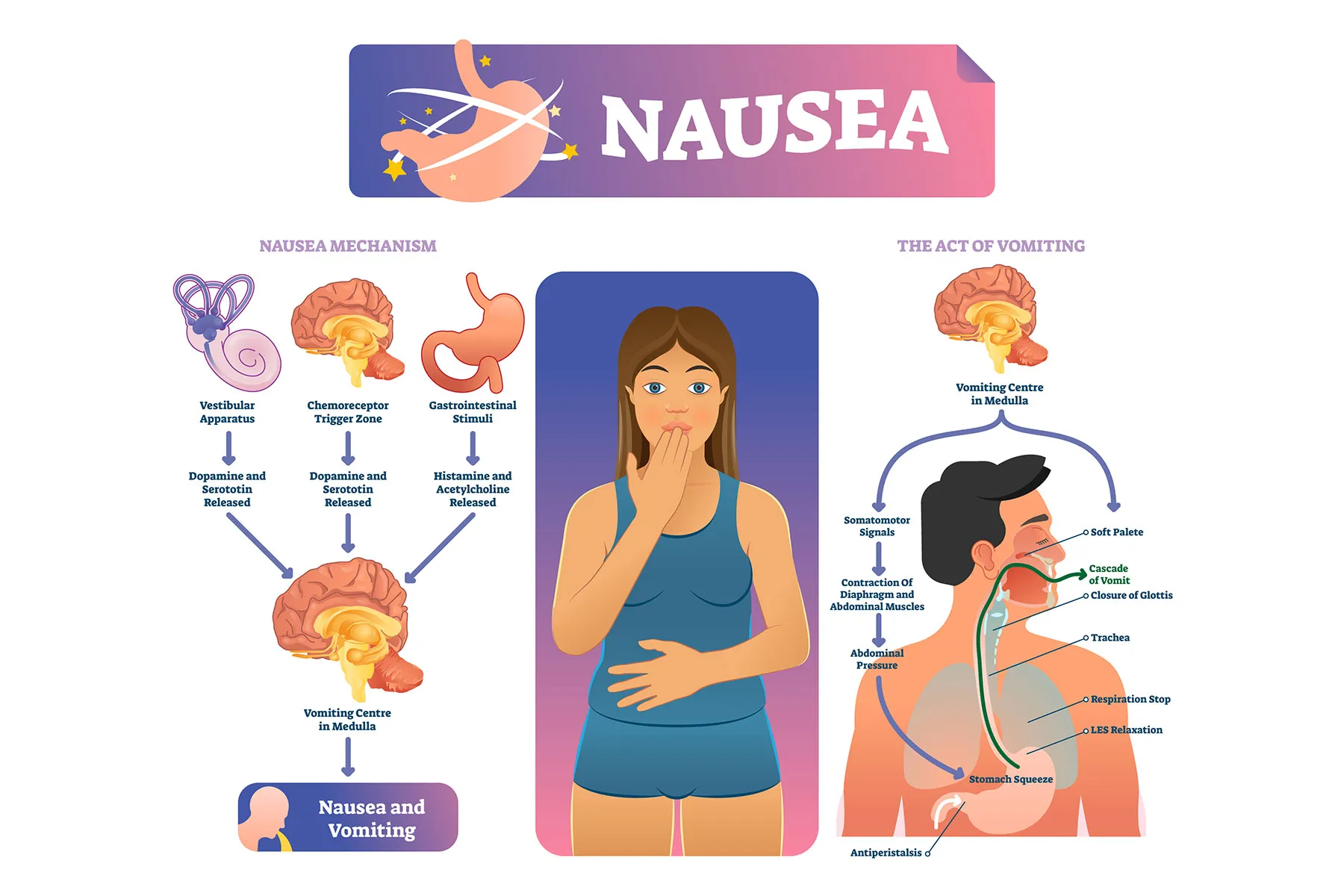
Nausea is an uncomfortable sensation that can arise from a variety of causes, including infections, motion sickness, pregnancy, medications, or digestive disturbances. While treatment often depends on the underlying cause, dietary strategies play a critical role in managing and alleviating symptoms. Choosing the right foods can help settle the stomach, prevent vomiting, and restore digestive balance. In some cases, medications such as nitazoxanide 500mg may be prescribed when nausea is associated with parasitic or gastrointestinal infections, but supportive nutrition remains equally important.
Understanding Nausea and Digestive Sensitivity
Nausea occurs when the brain receives signals from the gastrointestinal tract, vestibular system, or bloodstream indicating distress. During this state, the stomach becomes more sensitive to strong smells, heavy foods, and irregular eating patterns. Therefore, the primary goal is to consume foods that are easy to digest, low in fat, and gentle on the stomach lining.
1. Ginger: A Natural Anti-Nausea Agent
Ginger is one of the most well-researched natural remedies for nausea. It contains bioactive compounds such as gingerols and shogaols that help accelerate gastric emptying and reduce inflammation in the digestive tract.
You can consume ginger in various forms:
- Ginger tea
- Fresh ginger slices
- Ginger candies or lozenges
Clinical evidence supports ginger’s effectiveness in reducing nausea related to pregnancy, chemotherapy, and motion sickness.
2. Bananas: Gentle and Nutrient-Rich
Bananas are part of the BRAT diet (Bananas, Rice, Applesauce, Toast), commonly recommended for digestive distress. They are easy to digest and provide potassium, which is often depleted during vomiting or diarrhea.
Their soft texture and mild flavor make them particularly suitable when appetite is low. Bananas also help restore electrolyte balance without irritating the stomach.
3. Rice and Plain Carbohydrates
Plain white rice, crackers, and toast are bland foods that are unlikely to trigger nausea. These foods are low in fiber and fat, making them easy on the digestive system.
Simple carbohydrates help absorb excess stomach acid and provide a quick source of energy. Avoid adding butter, oils, or spices, as these can worsen symptoms.
4. Applesauce: Mild and Soothing
Applesauce is another staple of the BRAT diet. It contains pectin, a soluble fiber that aids digestion and helps firm up stools if diarrhea accompanies nausea.
Unlike raw apples, applesauce is easier to digest and less likely to cause bloating. Opt for unsweetened varieties to avoid excess sugar, which may aggravate nausea.
5. Clear Broths and Soups
Hydration is critical when dealing with nausea, especially if vomiting is involved. Clear broths provide fluids, electrolytes, and minimal calories without overwhelming the stomach.
Examples include:
- Vegetable broth
- Chicken broth
- Light miso soup
These options help maintain hydration and prevent weakness while being easy to tolerate.
6. Peppermint: Calming the Digestive Tract
Peppermint has antispasmodic properties that relax the gastrointestinal muscles, reducing feelings of nausea and cramping.
Peppermint tea is the most common form of consumption. Its soothing aroma can also help reduce nausea triggered by strong odors. However, individuals with acid reflux should use peppermint cautiously, as it may worsen symptoms.
7. Yogurt and Probiotics
When nausea is linked to infections or antibiotic use, restoring gut flora becomes important. Yogurt containing live cultures introduces beneficial bacteria that support digestion and immune function.
Choose plain, low-fat yogurt without added sugars. Probiotic-rich foods help rebalance the microbiome, especially after gastrointestinal illnesses where medications like nitazoxanide 500mg may be used to eliminate pathogens.
8. Boiled Potatoes
Boiled or mashed potatoes (without butter or cream) are bland, filling, and easy to digest. They provide carbohydrates and small amounts of potassium, making them a good option during recovery.
Avoid fried or heavily seasoned potatoes, as fats and spices can exacerbate nausea.
9. Herbal Teas
In addition to ginger and peppermint, other herbal teas can help reduce nausea:
- Chamomile tea: Calms the stomach and reduces inflammation
- Fennel tea: Helps relieve bloating and gas
- Lemon tea: The citrus aroma can help reduce nausea sensations
Warm liquids are generally better tolerated than very hot or very cold beverages.
10. Cold Foods and Small Portions
Interestingly, cold or room-temperature foods often cause less nausea than hot meals because they emit fewer odors. Examples include:
- Chilled fruits
- Yogurt
- Smoothies
Eating small, frequent meals instead of large portions can also prevent overwhelming the digestive system. An empty stomach may worsen nausea, so light snacking is beneficial.
Foods to Avoid
Equally important is knowing what to avoid:
- Fatty or fried foods
- Spicy dishes
- Strong-smelling foods
- Alcohol and caffeine
- Carbonated drinks (in excess)
These can irritate the stomach lining, delay gastric emptying, and intensify nausea.
When Medication Is Needed
While dietary changes are often sufficient for mild nausea, medical treatment may be necessary in cases involving infections, parasites, or severe gastrointestinal disturbances. In such scenarios, healthcare providers may prescribe medications like nitazoxanide 500mg, particularly when nausea is associated with protozoal infections affecting the intestines.
However, even with pharmacological treatment, proper nutrition and hydration remain essential components of recovery.
Practical Tips for Managing Nausea
- Eat slowly and chew food thoroughly
- Avoid lying down immediately after eating
- Keep the environment well-ventilated
- Sip fluids throughout the day instead of drinking large amounts at once
- Listen to your body and stop eating when you feel full
Conclusion
Managing nausea effectively requires a combination of dietary awareness and, when necessary, medical intervention. Foods that are bland, easy to digest, and low in fat can significantly reduce symptoms and promote recovery. Ginger, bananas, rice, applesauce, and clear broths are among the most reliable options.
In cases where nausea stems from infections, treatments such as nitazoxanide 500mg may be prescribed, but these should always be complemented by supportive dietary practices. By choosing the right foods and maintaining hydration, individuals can minimize discomfort and support the body’s natural healing processes.
Κατηγορίες
Διαβάζω περισσότερα
Warner Bros is strengthening its collaboration with Cosm, the operator of immersive “shared reality” venues, by planning a revamped version of the iconic film Harry Potter and the Sorcerer’s Stone set for release in 2026. While the exact launch date remains unannounced, tickets are expected to become available in early 2026, according to statements from both companies. This...

Executive Summary Digital Calipers with OLED Display Market: Growth Trends and Share Breakdown CAGR Value The global digital calipers with OLED display market size was valued at USD 585.76 million in 2024 and is expected to reach USD 839.40 billion by 2032, at a CAGR of 4.6% during the forecast period While preparing this professional and exhaustive Digital...

The global automotive landscape in early 2026 is increasingly defined by the transition from "visibility" to "active intelligence." Automotive laser headlights have emerged as the pinnacle of vehicle lighting technology, offering a beam range of up to 600 meters—nearly double that of traditional LED systems. Utilizing laser diodes that project a concentrated beam through a phosphor...

Introduction About Lionel Messi Lionel Andrés Messi Cuccitini, known globally as Leo Messi, was born on June 24, 1987, in Rosario, Santa Fe, Argentina. Renowned for his exceptional football skills, Messi currently plays as a forward and serves as the captain for Inter Miami in Major League Soccer. Over the years, he has established himself as a pivotal right wing player, celebrated for...

In recent years, online slot games have become one of the most popular forms of digital entertainment. Among the many platforms that provide this service, the term Bandar Slot stands out. A Bandar Slot is essentially an online agent or website that offers players access to a wide variety of slot games. These platforms act as intermediaries between game developers and players, ensuring that...