What the DPDP Act Means for Funders, CSR Teams, NGOs, and Everyone in Between
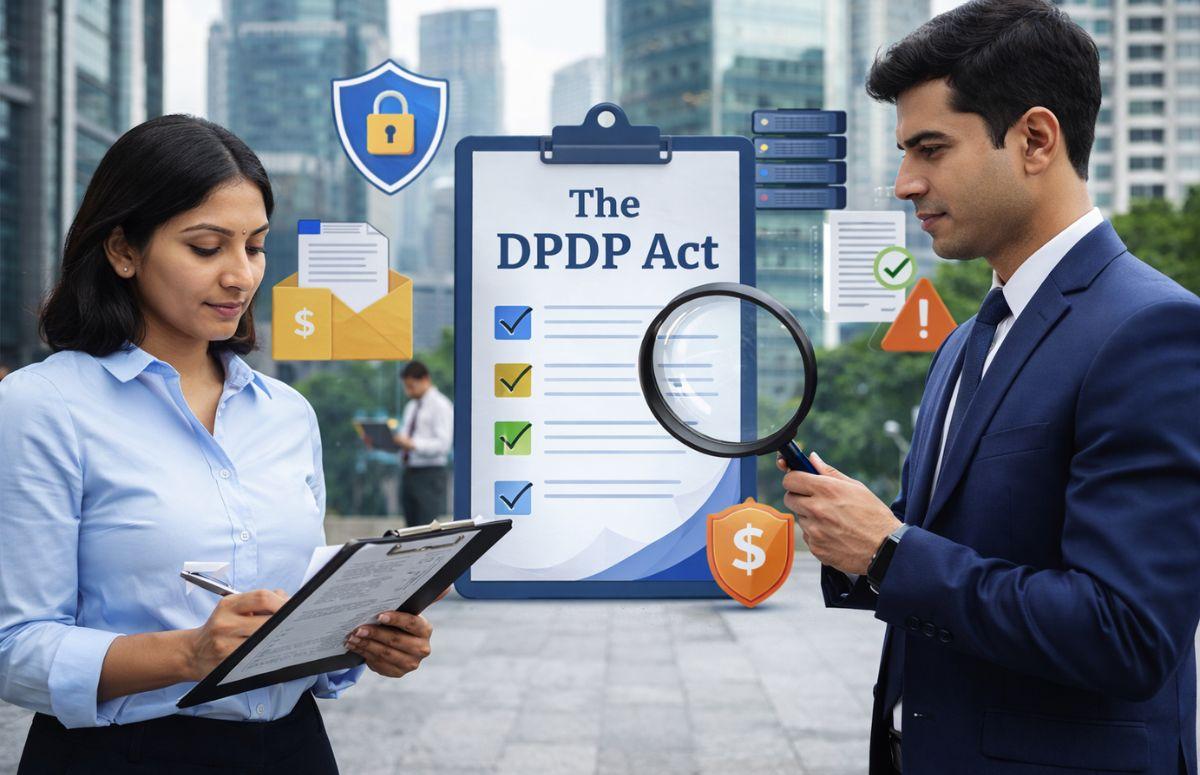
For years, the CSR and impact ecosystem has operated on a simple and widely accepted model: funders provide capital, NGOs implement programs, and data stays where it is collected, in the field.
It worked. Or at least, it seemed to.
But with the introduction of the Digital Personal Data Protection Act (DPDP Act), this long-standing structure is undergoing a fundamental shift. What was once an operational detail “who holds the data” is now a legal responsibility with significant consequences.
And most organisations are not ready.
The Big Shift: Ownership vs Accountability
One of the most important changes introduced by the DPDP Act is the concept of the Data Fiduciary, the entity that determines why and how personal data is collected and processed.
In the CSR ecosystem, this creates a surprising reality.
Even though NGOs collect beneficiary data in the field, they are often not the ones legally responsible for it. Instead, the responsibility lies with the funders, CSR teams, and grant-makers who define the program objectives and data requirements.
This distinction between data possession and data accountability is critical.
It means that if a data breach occurs even at the NGO level the organisation that designed the data collection process may be held liable.
How Data Actually Flows in CSR Programs
To understand the risk, it’s important to look at how data moves in real-world programs.
Typically, beneficiary data is:
- Collected in the field via paper forms or mobile devices
- Digitised at local offices
- Shared through tools like Google Sheets or Excel
- Uploaded to shared drives or sent via email
- Accessed by multiple stakeholders, including consultants
While these tools are accessible and cost-effective, they were never designed for handling sensitive personal data at scale.
This creates several vulnerabilities:
- Overly broad access permissions
- No clear data retention policies
- Lack of audit trails
- Data spread across multiple unsecured devices
By the time data reaches a CSR dashboard, it may have passed through multiple uncontrolled environments, each one increasing exposure.
Debunking Three Common Misconceptions
The DPDP Act challenges several assumptions that have long gone unquestioned in the sector.
1. “The NGO holds the data, so they’re responsible.”
Not anymore.
Responsibility now lies with the entity that decides the purpose of data collection. In most cases, that’s the funder or CSR team, not the implementing NGO.
2. “We collect data on paper, so we’re safe.”
This is a dangerous misconception.
The moment paper-based data is digitised, which is almost always the case it falls under the scope of the Act. That transition point becomes a compliance trigger.
3. “We use Google Workspace or Microsoft 365, so we’re covered.”
Using secure platforms does not automatically ensure compliance.
Data protection depends on how these tools are configured and used, including:
- Access controls
- Data retention policies
- Monitoring and audit mechanisms
Without these, even enterprise-grade tools can become sources of risk.
The Cost of Non-Compliance
The penalties under the DPDP Act are not symbolic, they are substantial.
- Up to ₹250 crore per incident for failing to implement adequate safeguards
- Up to ₹200 crore for failing to report a breach
For many NGOs and mid-sized organisations, even a fraction of these penalties could be devastating.
But beyond financial risk, there is something more fundamental at stake: trust.
CSR programs rely on individuals sharing deeply personal information, health records, financial data, identity details. Mishandling this data erodes the very trust that enables impact.
New Rights for Beneficiaries
The Act also introduces a major shift in power toward beneficiaries.
Individuals now have the right to:
- Access their data
- Correct inaccuracies
- Withdraw consent
- Request deletion
This means organisations must not only store data securely but also be operationally ready to respond to such requests.
For many, this will require a complete overhaul of current systems.
Why 2027 Is Closer Than It Seems
While enforcement begins in May 2027, compliance cannot be built overnight.
It requires:
- Mapping where data exists across systems and partners
- Redefining agreements between funders and NGOs
- Designing clear consent processes
- Implementing secure data infrastructure
- Training teams on new responsibilities
These are structural changes, not quick fixes.
Organisations that delay action risk being forced into reactive, last-minute compliance efforts that are both costly and ineffective.
Building a Future-Ready Data Ecosystem
The DPDP Act should not be viewed only as a regulatory burden. It is also an opportunity to modernise how the impact sector operates.
By investing in:
- Purpose-built data systems
- Role-based access controls
- Transparent audit trails
- Responsible AI usage
organisations can build stronger, more resilient programs.
More importantly, they can align their operations with the trust placed in them by beneficiaries.
Final Thoughts
The CSR and impact ecosystem has always been built on a simple but powerful principle: trust.
The Digital Personal Data Protection Act does not introduce this responsibility, it formalises it.
It ensures that organisations cannot overlook the ethical and operational importance of data protection.
As 2027 approaches, the question is no longer whether compliance is necessary.
The real question is: Are you prepared to take responsibility for the data you asked to be collected?
Categorias
Leia mais
The harsh environment of Arrakis has long been marred by the presence of cheaters and griefers, impacting both PvE and economic stability within Dune: Awakening. Players have voiced persistent concerns over disruptive behavior and exploits, which threaten the integrity of the game experience. Recently, however, there has been a significant shift as a widespread ban initiative has commenced....

"Global Executive Summary Polypropylene Market: Size, Share, and Forecast The global polypropylene market size was valued at USD 136.32 billion in 2024 and is expected to reach USD 189.45 billion by 2032, at a CAGR of 4.20% during the forecast period This Polypropylene Market research report contains specific segments by type and by application....

Modern bathroom design demands solutions that combine aesthetic appeal with uncompromising functionality. The Shower Drainage Factory at hasen-home represents the forefront of this movement, where engineering precision meets daily practicality to create drainage systems that outperform conventional designs. Traditional drainage solutions often struggle with slow water evacuation and...

GoodRx has earned the HITRUST i1 Certification for its drug savings platform hosted on Amazon Web Services (AWS), reaffirming the company’s dedication to protecting sensitive health information and managing cybersecurity risks effectively. This certification underscores GoodRx’s ongoing commitment to operational security and trustworthiness in the healthcare technology space. The...

In 2013, a scandal known as the "Baby Squillo Affair" shocked Italy when it was revealed that two teenage girls, aged 14 and 15, had engaged in prostitution with over fifty adult men. Among their clients were prominent figures in Italian society, including Mauro Floriani, a former officer of the financial police and the spouse of Alessandra Mussolini, a member of parliament and granddaughter...