Top Strategies to Acquire Customers for Your Sportsbook Business

Customer acquisition in sportsbook is rarely a traffic problem alone. In most campaigns, the real issue is that operators chase cheap registrations, broad bonus hunters, or inflated click volume—then wonder why first-time deposits stay weak and retention falls apart a week later. That is why sportsbook user acquisition has become less about “getting more users” and more about getting the right users at a cost that still makes commercial sense after bonus burn, payment drop-off, and post-signup churn.
For sportsbook brands, especially in highly competitive and regulation-sensitive environments, growth comes from acquisition systems—not isolated ad campaigns. The operators that scale efficiently usually do three things well: they align traffic source with player intent, they optimize for deposit quality rather than vanity metrics, and they build campaigns around timing, behavior, and offer economics instead of generic sports betting promotion.
If your acquisition strategy is still centered on registrations alone, you are probably buying surface-level growth. The stronger play is to engineer a funnel that attracts users who are actually likely to verify, fund, and stay active.
Customer acquisition is one of the biggest growth challenges for any sportsbook business. Without the right traffic strategy, even strong betting offers can struggle to convert. A trusted advertising platform can help sportsbooks attract more relevant users and improve acquisition performance from the start.
Explore sportsbook advertising opportunities with 7SearchPPC.
Why Most Sportsbook Growth Campaigns Underperform
Many operators assume that if click-through rate is healthy and cost per signup looks manageable, the campaign is working. But in sports betting customer acquisition, the first visible metrics often hide the real commercial damage.
One recurring issue is source mismatch. A campaign may produce installs or registrations from broad entertainment audiences, but those users often have weak betting intent. They respond to curiosity, offers, or event hype—then disappear when KYC, payment friction, or real-money commitment enters the funnel.
Another common mistake is over-reliance on bonus-led messaging. Bonuses can lift conversion at the top of the funnel, but they also attract low-intent users if the acquisition strategy lacks intent filtering. At lower budgets this can stay hidden, but at scale, operators often notice that “growth” starts getting more expensive while revenue quality drops in parallel.
The problem usually is not visibility. It is acquisition architecture.
1) Build Around Deposit Intent, Not Registration Volume
The strongest sportsbook player acquisition systems are designed backward from the first deposit—not forward from the click.
That means every acquisition decision should answer one question: does this traffic look likely to become a funded bettor, or just a signup?
High-performing operators usually evaluate users across at least three commercial layers:
- Acquisition intent: Did they click because of betting interest or because of a generic offer?
- Conversion readiness: Are they likely to complete KYC, app install, or wallet funding?
- Value potential: Are they likely to place repeated bets beyond welcome bonus behavior?
This is where many brands get misled. A campaign with a lower signup volume can still outperform if the deposit rate, average first transaction, and short-term retention are materially better.
In practice, acquisition teams should stop treating all new users as equal. A cricket bettor during a live tournament window behaves differently from a casual app browser or a bonus-driven affiliate lead. If the funnel does not reflect that, spend gets diluted quickly.
2) Match Traffic Source to the Right Stage of User Intent
Not every traffic source is equally good for every sportsbook objective. One of the biggest flaws in weak sportsbook marketing strategy execution is using the same media mix for awareness, registrations, and deposit conversion.
That almost always creates leakage.
Search-Like Intent Sources
These tend to perform better when the user already knows they want to bet, compare odds, or explore platforms. Traffic from high-intent query environments often converts better because the motivation is already formed.
The challenge is cost pressure. CPCs can become aggressive around major sporting events, and not every operator can win through bidding alone. In these cases, sharper keyword framing, cleaner landing intent, and tighter event segmentation usually matter more than brute-force budget.
Native and Content-Led Discovery Traffic
Discovery traffic can work well for upper-mid funnel acquisition, especially when the creative is framed around event relevance, betting education, or market insight rather than direct hard-sell language.
But this source needs stronger post-click qualification. Without that, it can produce cheap but commercially weak signups.
That is also why operators exploring how to buy sportsbook user acquisition traffic should focus less on raw volume and more on source behavior, inventory quality, and how well the traffic aligns with actual betting conversion goals.
Retargeting and Re-Engagement Pools
These are often underused in betting app user acquisition. Many operators focus so heavily on front-end acquisition that they ignore users who clicked, browsed, or even started registration but did not complete the next action.
That is usually expensive waste.
Retargeting becomes especially valuable when you segment by user behavior rather than broad recency alone. Someone who viewed odds pages or bonus details is not the same as someone who bounced off the homepage in five seconds.
3) Use Event-Led Timing Instead of Always-On Generic Promotion
Sportsbook growth is heavily timing-sensitive. User intent compresses around events, tournaments, rivalries, and betting spikes. Operators that run flat, generic campaigns all month often miss the windows where conversion intent is naturally highest.
During IPL spikes, football derbies, major cricket series, or playoff cycles, user behavior changes fast. Search intent rises, bonus comparison activity increases, and ad inventory becomes more competitive. This usually drives up costs—but it also creates better quality demand if the campaign is timed properly.
The smarter move is not simply “spend more during big events.” It is to structure acquisition around intent waves:
- Pre-event: build anticipation and early signups
- Match-day: capture urgency and active bettor demand
- Post-event: convert comparison traffic and near-miss users
This approach tends to outperform static promotion because it mirrors how betting demand actually behaves.
4) Fix the Creative-Intent Gap
A lot of operators lose performance not because the offer is weak, but because the creative attracts the wrong expectation.
If the ad promises “easy winnings,” “massive bonuses,” or entertainment-first messaging, but the landing flow requires verification, payment setup, and platform trust, the user journey breaks immediately. That disconnect creates post-click drop-off, poor qualification, and expensive acquisition noise.
The best sports betting user acquisition campaigns usually keep the message commercially attractive without misleading the user about what comes next.
What usually works better:
- Event-specific relevance instead of broad betting hype
- Clarity around offer structure instead of exaggerated reward language
- Trust-building signals over aggressive urgency
- Sports-context framing rather than generic gambling positioning
Creative also needs to reflect the actual audience segment. A user already familiar with odds and live betting responds differently from a casual sports fan entering the category for the first time.
When advertisers ignore that distinction, performance often looks acceptable at the click layer but weakens badly after registration.
5) Segment by Player Value Potential, Not Just Acquisition Cost
One of the more mature shifts in how to acquire users for a sportsbook is moving from low-CAC obsession to value-aware acquisition.
Cheaper traffic is not always more efficient. In many cases, it is simply lower intent, lower trust, and harder to monetize.
Operators should evaluate acquisition segments through a more commercial lens:
- Casual event bettors: good short-term volume, inconsistent retention
- Odds-comparison users: stronger intent, often more price-sensitive
- Bonus-driven users: easy to attract, difficult to monetize cleanly
- Recurring sports fans: usually stronger long-term value if acquired correctly
This is where audience economics become more useful than top-line traffic reporting. If one segment costs more to acquire but shows better repeat activity and lower bonus dependency, it may actually be the stronger growth channel.
Many operators underestimate how much “cheap” traffic quietly damages scaling decisions.
6) Reduce Funnel Friction Before Increasing Spend
Throwing more budget at a weak funnel is one of the fastest ways to make customer acquisition unprofitable.
Before scaling, sportsbook teams should audit where users actually fall off:
- Ad click to landing relevance
- Landing page to registration completion
- Registration to KYC verification
- KYC to wallet funding
- Funding to first bet placement
In most campaigns, the biggest losses happen in the middle—not at the top. That means media teams often try to solve a conversion problem with more traffic instead of better flow design.
Common friction points include:
- slow mobile pages
- unclear bonus terms
- payment distrust
- overly long onboarding
- weak event relevance on landing pages
Across Indian traffic environments, mobile-first behavior is especially important. If your signup flow feels heavy, cluttered, or inconsistent on mobile, acquisition efficiency usually deteriorates faster than teams expect.
7) Treat Compliance and Moderation as Acquisition Variables
In sportsbook advertising, compliance is not a legal side note. It directly affects scale, approval consistency, creative freedom, and campaign continuity.
Many operators build aggressive acquisition concepts that look strong in theory but collapse under moderation pressure, restricted placements, or repeated disapprovals. This creates stop-start campaign patterns, unstable delivery, and lost optimization momentum.
That is why the strongest operators usually develop creative systems that are both commercially persuasive and moderation-aware.
This matters even more when working with a sportsbook ad network or other acquisition channels that sit closer to regulated betting inventory, where approval logic, messaging tone, and audience relevance often matter as much as bid competitiveness.
Trustworthy acquisition strategy should account for:
- regional sensitivity around betting promotion
- responsible messaging
- claim restraint
- landing page transparency
- bonus communication clarity
Compliance-safe campaigns are not always less effective. In many cases, they are more stable and more scalable.
8) Build a Testing System, Not Random Campaign Variations
The difference between erratic performance and scalable acquisition often comes down to testing discipline.
Too many sportsbook campaigns test everything at once—creative, offer, audience, landing, event angle, and source—then draw the wrong conclusions from noisy data.
The better approach is controlled testing with a clear hierarchy:
Test in this order:
- Intent angle: event-led, offer-led, odds-led, or trust-led
- Audience quality: sports-engaged vs broad entertainment segments
- Landing alignment: app-first, bonus-first, or event-first entry flow
- Offer framing: signup incentive vs betting utility
This is where many of the best sportsbook user acquisition strategies separate themselves from average media buying. They are not necessarily more complex—they are just more disciplined.
Advertisers often notice that once one profitable audience-creative combination emerges, scaling becomes much more predictable because future tests have a stronger commercial baseline.
What Advertisers Often Get Wrong
There are a few recurring assumptions that consistently hurt sportsbook growth:
- “More registrations means better acquisition.” Not if deposit quality is poor.
- “Lower CPM means cheaper growth.” Not if post-click intent collapses.
- “Big bonuses fix weak conversion.” Often they just attract lower-value users.
- “Scaling means increasing budget.” Usually it means protecting quality while expanding.
The operators that grow sustainably tend to think less like traffic buyers and more like acquisition economists. They understand that user quality, timing, trust, and funnel design all shape profitability long before retention data fully matures.
Final Perspective
Strong customer acquisition in sportsbook is not about finding one magical source or one clever ad angle. It is about building a repeatable system that attracts users with real betting intent, converts them through a commercially sensible funnel, and protects margin as campaigns scale.
That is why the most effective acquisition strategy is rarely the loudest one. It is the one that aligns media, messaging, timing, compliance, and funnel economics around the type of player the business actually wants to keep.
If your current acquisition model is producing activity without meaningful value, the answer is usually not more reach. It is better qualification.
Frequently Asked Questions (FAQs)
What is the biggest mistake in sportsbook customer acquisition?
Ans. The most common mistake is optimizing for registrations instead of deposit-qualified users. That usually creates inflated top-line growth with weak commercial return.
Which traffic sources are best for sportsbook growth?
Ans. There is no universal best source. High-intent search environments, well-filtered native traffic, retargeting pools, and niche betting inventory can all work—if they match the user intent stage and funnel objective.
How important is event timing in sportsbook marketing?
Ans. Very important. Betting demand often clusters around major sports events, and campaigns that align with those spikes usually perform better than generic always-on promotion.
Should sportsbook campaigns focus heavily on bonuses?
Ans. Bonuses can help, but overusing them often attracts low-intent users. They work best when paired with strong intent targeting and clear qualification strategy.
How do you know if acquired users are high quality?
Ans. Look beyond clicks and signups. Stronger indicators include KYC completion, first-time deposit rate, early betting activity, repeat sessions, and short-term retention behavior.
الأقسام
إقرأ المزيد
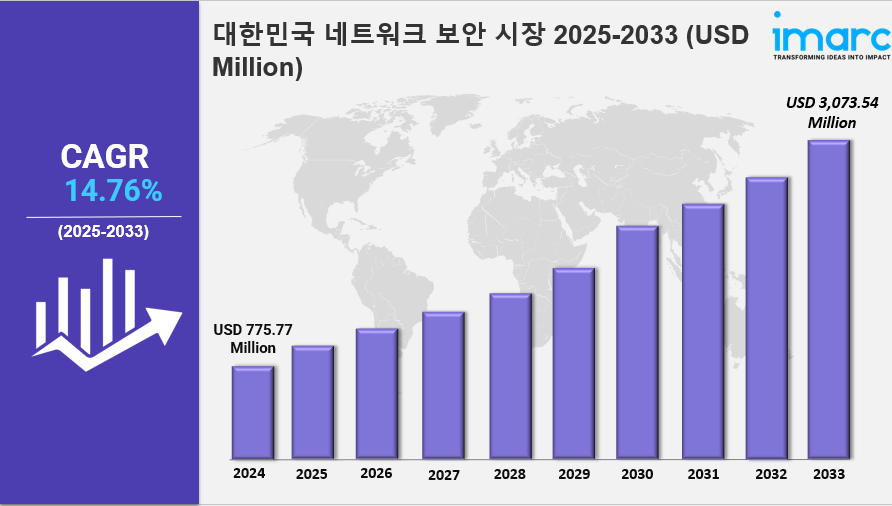
IMARC 그룹은 최근 "한국 네트워크 보안 시장 규모, 점유율, 동향 및 구성 요소별 전망, 배치 모드, 조직 규모, 산업 부문 및 지역별 예측, 2025-2033"이라는 새로운 연구 연구를 발표했으며, 시장 동인, 세분화, 성장 기회, 동향 및 경쟁 환경에 대한 상세한 분석을 통해 현재 및 미래 시장 시나리오를 이해하고 있습니다. 한국 네트워크 보안 시장 개요 2024년 한국 네트워크 보안 시장 규모는 7억 7,577만 달러입니다. 2025년부터 2033년까지 예측 기간 동안 연평균 연평균 성장률(CAGR)이 14.76%로 확장되어 2033년까지 30억 7,354만 달러에 이를 것으로 예상됩니다. 랜섬웨어와 데이터 유출과 같은 사이버 공격이 증가하면서 첨단 보안 도구에 대한 투자가...
The Tiny Home Market has gained significant momentum as more individuals seek affordable, sustainable, and efficient living solutions. With rising real estate prices and a growing awareness of environmental issues, tiny homes have become an increasingly popular alternative to traditional housing. These homes, typically ranging from 100 to 400 square feet, offer a minimalist living experience...

The Mahadev Book App has quickly become a popular choice among users who prefer a smooth, fast, and feature-rich digital platform for sports and gaming entertainment. Designed with modern technology and user-friendly functionality, the app offers a complete experience that works well for both beginners and experienced users. Whether you are already familiar with Mahadev Book or planning to...
Elegir el lugar ideal para celebrar una boda es una de las decisiones más importantes para cualquier pareja. En los últimos años, los viñedos para bodas se han convertido en una tendencia en auge, especialmente en regiones como Cataluña, donde el paisaje, la gastronomía y el clima crean un entorno perfecto para celebraciones únicas. Si...
Planning a spiritual journey like Umrah can be both exciting and daunting, especially when considering the expenses involved. For many pilgrims, the dream of performing Umrah in 2026 seems out of reach due to rising travel costs, accommodation prices, and visa fees. However, Umrah Packages 2026 designed specifically for groups offer a promising solution. These packages bundle everything from...