European Breakfast Cereals Market Report Highlights 2026: Ready-to-Eat Demand, Clean Labels, and Online Grocery Growth
Europe's Most Familiar Breakfast Is Getting a Powerful Makeover
Europe’s breakfast cereals category is changing fast. The “classic” shelf of sugar-heavy flakes is being reshaped by health-first reformulation, clean-label expectations, and a stronger push for ethical sourcing and sustainable packaging. At the same time, shoppers still want one thing above all: convenience, especially on busy weekday mornings.
Market Size and Forecast (2025–2034): The Headline Numbers
IMARC estimates the European breakfast cereals market was valued at USD 28,502.8 million in 2025. It forecasts the market will reach USD 39,838.8 million by 2034, growing at a 3.68% CAGR during 2026–2034. The report scope also notes 2025 as the base year, with a historical period of 2020–2025 and a forecast period of 2026–2034.
What this growth rate really means: Europe is a mature breakfast foods market, so growth is less about “new-to-category” consumers and more about value growth—premium health claims, ingredient upgrades, specialty diets (gluten-free/plant-based), and channel shifts (especially e-commerce).
Breakfast Cereals 101: What Makes This Market Unique?
Before diving into growth dynamics, it's worth grounding ourselves in what the Europe breakfast cereals market actually encompasses.
Breakfast cereals are processed grains that serve as a popular and convenient morning meal option. Typically consumed with milk, yogurt, or fruits, they come in a variety of forms, including ready-to-eat and ready-to-cook variants. Common ingredients encompass wheat, oats, rice, maize, barley, etc. Packed with essential nutrients, such as vitamins, proteins, carbohydrates, iron, magnesium, and dietary fibers, breakfast cereals contribute to a balanced diet. Their nutritional content is designed to support overall health, aiding in digestion, preventing constipation, and reducing the risk of various health issues like colon disorders, cancer, and high blood sugar levels.
What’s Driving Growth in the Europe Breakfast Cereals Market?
Health-forward reformulation is pulling demand toward functional cereals
IMARC describes a clear consumer move away from “classic, sugar-rich cereals” toward products with whole grains, higher fiber, added protein, and supplementary vitamins, alongside positioning that supports digestive health, heart health, and weight management.
The report also ties this to broader wellness momentum in Europe. As an example, IMARC cites that the German health and wellness industry reached USD 171.26 billion in 2024 and is forecast to reach USD 260.42 billion by 2033 (CAGR 4.28%), helping explain why “better-for-you” breakfast choices keep expanding.
Sustainability and ethical consumption are now “table stakes”
According to IMARC, Europe’s breakfast cereal market is strongly shaped by sustainability and ethical consumption, including preferences for organic ingredients, fair-trade grains, and recyclable/biodegradable packaging—especially in markets like France, Switzerland, and the Nordics.
A key stat highlighted on the page: a survey indicates 58% of Europeans consider climate impact when buying food and drink, pushing cereal brands toward recyclable/compostable packaging and more responsible sourcing.
Plant-based and gluten-free demand is driving product innovation
IMARC notes rising demand for plant-based and gluten-free breakfast cereals, supported by lifestyle shifts and health awareness. It also cites a plant-based retail benchmark: in France, the retail market for plant-based foods across five categories reached €537 million in 2024, up 8.8% vs. 2023 and 20.5% vs. 2022 (per the Good Food Institute reference on the page).
On-shelf, this translates into more cereals made with alternative grains such as quinoa, buckwheat, and millet, often marketed with clean-label claims (fewer additives, fewer artificial ingredients).
Segment Insights: Where the Opportunities Cluster
IMARC segments the Europe breakfast cereals market by category, product type, and distribution channel—a practical structure for go-to-market planning.
Category: Ready-to-eat dominates, but ready-to-cook targets “less processed” demand
- Ready-to-cook cereals (e.g., rolled oats, semolina, multigrain mixes) appeal to health-conscious shoppers seeking less processed, warm breakfast options.
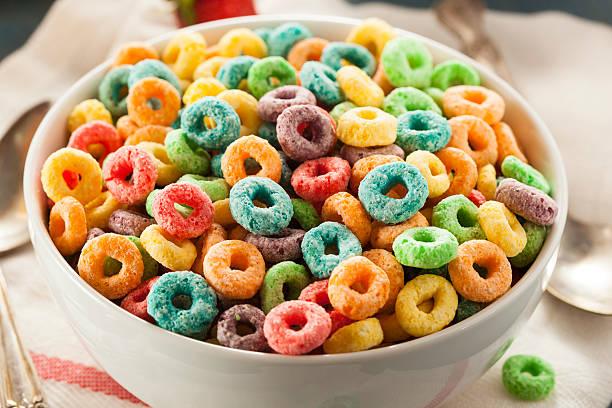
- Ready-to-eat cereals dominate due to convenience (cornflakes, granola, muesli), often fortified with vitamins/minerals and sometimes positioned with functional benefits.
Product type: Corn-based vs. mixed/blended
IMARC lists corn-based breakfast cereals, mixed/blended breakfast cereals, and others. Corn-based cereals remain popular for affordability and versatility, while mixed/blended cereals (oats/wheat/barley/rice with nuts, seeds, dried fruit) align strongly with the “health + variety” consumer mindset.
Distribution: Supermarkets still lead, but online is a growth lever
IMARC identifies supermarkets and hypermarkets as key channels due to range, shelf space, and promotions. It also highlights the role of specialty stores for organic/gluten-free/wellness cereals—and describes online stores as fast-expanding, enabled by convenience, wider selection, and subscription models.
Country Spotlight: Europe is not one market
Germany: Germany stands out for its strong preference for whole grain and high-fiber cereals. Health and nutrition are major priorities, leading to increased demand for fortified and functional products. Germany was the top performer of the European breakfast cereals market.
United Kingdom: The UK market is highly dynamic, driven by both health consciousness and economic considerations. Consumers are increasingly opting for low-sugar, high-protein cereals. However, inflation has led to a rise in demand for private-label and budget-friendly options. Convenience remains a key factor, with products like breakfast bars and porridge pots gaining popularity.
France: In France, consumers favor natural and minimally processed cereals. Traditional options like muesli and granola remain popular, reflecting a cultural preference for simple, balanced meals. There is also a growing demand for organic and plant-based products, aligning with sustainability trends.
Competitive Landscape
Key market players, as identified by IMARC Group, include: Alara Wholefoods Ltd., Associated British Foods Plc, B and G Foods Inc., Bobs Red Mill Natural Foods, Cerealto Siro Foods S.L, Food For Life Baking Co. Inc., General Mills Inc., Kellogg Co., Mornflake, mymuesli AG, Nestle SA, Orkla ASA, PepsiCo Inc., Peter Kolln GmbH and Co. KGaA, Post Holdings Inc., and The Hain Celestial Group.
Recent Industry Moves Mentioned in the Report
IMARC’s page highlights several notable developments that reflect investment, innovation, and brand engagement:
- March 2025: Kellogg introduced “Kellogg’s Town”, a digital experience launched in 23 European markets and 16 languages.
- October 2024: Kellanova announced a USD 98.3 million investment to expand output at its Wrexham (North Wales) cereal factory—aiming to more than double annual output to ~1.5 million boxes/day, described as Europe’s largest cereal production facility.
- September 2024: Nestlé launched Trix cereal in Romania (whole grains, calcium, B vitamins, iron; multiple fruit flavors).
Challenges: Navigating the Headwinds
No robust market story is complete without candor about the obstacles. Europe's breakfast cereals sector faces several structural challenges.
Competition from Alternative Breakfast Formats: The breakfast food market in Europe is becoming more crowded, with competition not only from other breakfast cereals but also from alternatives like yogurt, smoothies, toast, fruit, and ready-to-drink beverages.
Inflationary Pressures and Private Label Competition: The market is confronted with issues like inflation, which has raised prices and caused consumers to turn to more affordable options, such as own-label goods. Notwithstanding these obstacles, the market is anticipated to rise gradually, offering chances for new and inventive breakfast selections that are healthier and more environmentally friendly.
Future Outlook: What Lies Ahead for the European Breakfast Cereals Market?
The growth trajectory is supported by powerful structural dynamics that show no sign of weakening. Looking beyond 2025, the EU's Food 2030 framework is expected to sustain innovation through funding for nutritionally enhanced, functional, and sustainable food products. Research into consumer behavior, protein fortification, and clean-label formulations will further strengthen the role of breakfast cereals within modern diets. Overall, the convergence of health-driven policies, regulatory reform, and urban lifestyle dynamics will continue to strengthen the positioning of breakfast cereals as a convenient and nutritious staple, supporting steady market growth across Europe in the coming years.
Download a sample copy of the report for your business
Conclusion: A “Better-for-You + Better-for-Planet” Playbook Is Winning
Europe's breakfast cereals market is not a legacy category coasting on nostalgia; it is a sector actively reinventing itself for a new generation of health-conscious, sustainability-minded, and convenience-seeking consumers. With a CAGR of 3.68% projected through 2026-2034, steady cross-sector innovation, and a regulatory and consumer environment that uniquely favors nutritional transparency and eco-responsibility, the market offers compelling opportunities for food manufacturers, ingredient suppliers, private label retailers, digital commerce platforms, and investors.
Categorias
Leia Mais
"Pulmonary Arterial Hypertension (PAH) Market Summary: According to the latest report published by Data Bridge Market Research, the Pulmonary Arterial Hypertension (PAH) Market The global Pulmonary Arterial Hypertension (PAH) market size was valued at USD 8.73 billion in 2025 and is expected to reach USD 17.27 billion by 2033, at a CAGR of 8.9% during the...

In the strategic world of Last Z: Survival Shooter, a formidable presence emerges from the Blood Rose faction. Classified with the coveted 'S' rarity, this combat specialist excels as a defensive bulwark. Her core strength lies in enhancing durability, truly embodying the 'Strong Defense' and 'Health Boost' archetypes. As a dedicated fighter, her statistics speak to a resilient frontline...

shower drainage china products play a fundamental role in shaping modern bathroom designs by providing efficient water management and stylish finishes. Hasen-Home specializes in delivering a diverse range of drainage systems that combine durability with aesthetic appeal, catering to both residential and commercial spaces. This comprehensive product line helps create seamless drainage...

Money. That’s usually the first thing people think about when somebody mentions implants. And fair enough. The phrase “dental implant cost New York” gets searched constantly because people are trying to figure out whether this stuff is actually affordable or just another expensive city healthcare bill waiting to happen. Truth is, prices in New York can swing wildly depending...
When it comes to creating interiors and exteriors that are both stylish and long-lasting, stone is one of the most popular materials for this purpose. From elegant kitchen benchtops to luxurious bathtubs and bespoke fireplaces, homeowners across Melbourne are opting for it due to its natural beauty, durability, and timeless appeal. At Aladdin Benchtop, we’re passionate about transforming...