


Restoring Quality of Life: The Therapeutic Benefits of Anterior Cervical Fusion (ACF)
For individuals suffering from chronic, debilitating neck pain, the journey toward relief is often paved with physical therapy, medication, and lifestyle modifications. However, when conservative treatments fail to address the underlying structural issues—typically stemming from degenerative disc disease, cervical herniated discs, or spinal stenosis—surgical intervention becomes a necessary consideration. Among the various surgical options, Anterior Cervical Discectomy and Fusion (ACF) stands out as a “gold standard” procedure. By approaching the cervical spine through the front of the neck, surgeons are able to alleviate nerve compression and stabilize the vertebrae, offering patients a path toward significant pain reduction and restored functionality.
Understanding the Procedure
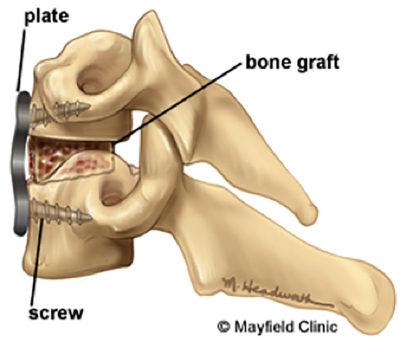
The core principle behind Anterior Cervical Fusion is the removal of a problematic intervertebral disc that is pressing against the spinal cord or nerve roots. Once the damaged disc is excised, the surgeon inserts a bone graft or a spacer (often supported by a small titanium plate and screws) between the two vertebrae. Over time, the body’s natural healing process causes the vertebrae to fuse into a single, solid bone. This fusion not only eliminates the painful motion occurring at the degenerated disc site but also prevents further instability that could lead to progressive nerve damage.
Immediate Decompression and Neurological Relief
The most immediate and profound benefit of ACF is the decompression of neural structures. Chronic neck pain is frequently accompanied by radiculopathy—symptoms such as sharp, shooting pain, numbness, tingling, or weakness radiating into the shoulders, arms, and hands. These symptoms occur because a bulging or herniated disc is physically compressing the cervical nerves. By removing the disc material, the surgeon relieves the pressure on the nerve root almost instantaneously. Most patients report a significant decrease in these radiating symptoms shortly after waking up from surgery, marking the beginning of their physical recovery.
Long-Term Stability and Pain Reduction
Beyond immediate decompression, ACF provides long-term structural stability. Degenerated discs often collapse over time, narrowing the space where nerves exit the spine and causing the vertebrae to grind against one another. This “segmental instability” is a common source of chronic, deep-seated neck pain that does not respond well to conservative care. By fusing the segments, the surgery eliminates the abnormal or painful micro-motion between the vertebrae. This stabilization prevents the development of painful bone spurs and reduces the reliance on surrounding muscles to support a compromised spine, effectively ending the cycle of muscle spasms and chronic fatigue associated with neck pain.
Surgical Precision and Recovery Advantages
The "anterior" approach—entering through the front of the neck rather than the back—offers distinct clinical advantages. Because the neck’s anatomy allows for a relatively clear path to the spine from the front, surgeons can avoid cutting through the thick, complex muscles of the posterior neck. This leads to several patient-centered benefits:
- Reduced Post-operative Pain: By bypassing the major back muscles, patients often experience significantly less post-surgical pain compared to posterior spinal surgeries.
- Lower Complication Rates: The procedure is highly standardized, with a track record of success dating back decades, allowing for a predictable and safe surgical environment.
- Faster Mobilization: Because the incision is smaller and muscle disruption is minimized, patients are typically encouraged to stand and walk within hours of the procedure. This early mobilization is critical in preventing complications such as blood clots and promotes a faster psychological and physical recovery.
The Restoration of Quality of Life
The true measure of the success of an Anterior Cervical Fusion lies in the restoration of the patient’s lifestyle. Chronic neck pain is notoriously intrusive; it dictates how a person sleeps, works, drives, and interacts with their family. When pain is constant, the resulting fatigue and mental strain can lead to secondary issues such as anxiety and depression.
By successfully mitigating the physical source of the pain, ACF allows patients to return to their favorite hobbies, regain productivity in the workplace, and enjoy improved sleep quality. While the fusion process takes several months to fully solidify, the improvement in day-to-day comfort is often life-changing.
A Note on Shared Decision-Making
While the benefits of Anterior Cervical Fusion are significant, it is important to emphasize that surgery is a serious intervention. Ideal candidates are those who have undergone a thorough diagnostic process, including MRIs and physical examinations, to ensure that the pain symptoms correlate precisely with the structural findings on the imaging.
In conclusion, anterior cervical fusion surgery serves as a powerful tool in modern orthopedic and neurosurgery. By addressing both the compression of nerves and the underlying instability of the cervical spine, it provides a comprehensive solution for those trapped in a cycle of chronic pain. With its minimally disruptive approach and high rate of success, ACF remains a vital option for patients seeking to reclaim their health and move forward toward a pain-free life. Patients are encouraged to consult with spine specialists to determine if this procedure is the right path for their specific anatomical needs and long-term health goals.
Categorias
Leia mais
Best VPNs for Valorant Unlocking Valorant: Breaking Down Regional Barriers with VPNs Are you frustrated by geographical restrictions preventing you from enjoying Valorant with friends across borders? Whether you're in a country like Iran or Syria where Valorant is completely blocked, or you're simply trying to connect with teammates in different regions, these limitations can significantly...

Introduction Human Resource (HR) management is a complex field that requires a blend of theory, practice, and strategic insight. For professionals and students pursuing CIPD (Chartered Institute of Personnel and Development) qualifications, effective writing is crucial. One of the most important tools in this process is the use of HR models. These models provide structured approaches to...

Windows 7 UAC Default Settings May Not Provide Adequate Protection Against Malware Recent testing by Sophos has raised concerns about the effectiveness of Windows 7's User Account Control (UAC) in its default configuration. According to research conducted by Chester Wisniewski, a senior security engineer at Sophos, the default UAC settings in Windows 7 failed to block most malware samples in...

The market research for the global Spray Drying Equipment market is an accumulation of first-hand facts and quantitative and qualitative evaluation and analysis for the forecast period (2024-2032). The report offers a comprehensive assessment of macro-economic indicators, parent market trends, and several factors influencing the market dynamics. In addition, it also assesses the...

A new growth forecast report titled AI in Supercomputer Market Share, Size, Trends, Industry Analysis Report, By Component (Processors/Computers, Storage, Memory, Interconnects); By Application; By Region; Segment Forecast, 2024 - 2032 introduced by Polaris Market Research represents conclusive data on the overall market. It majorly targets to provide a detailed analysis of growth...
