


Street Food vs Food Hall Dining: Which Offers the Better Experience?
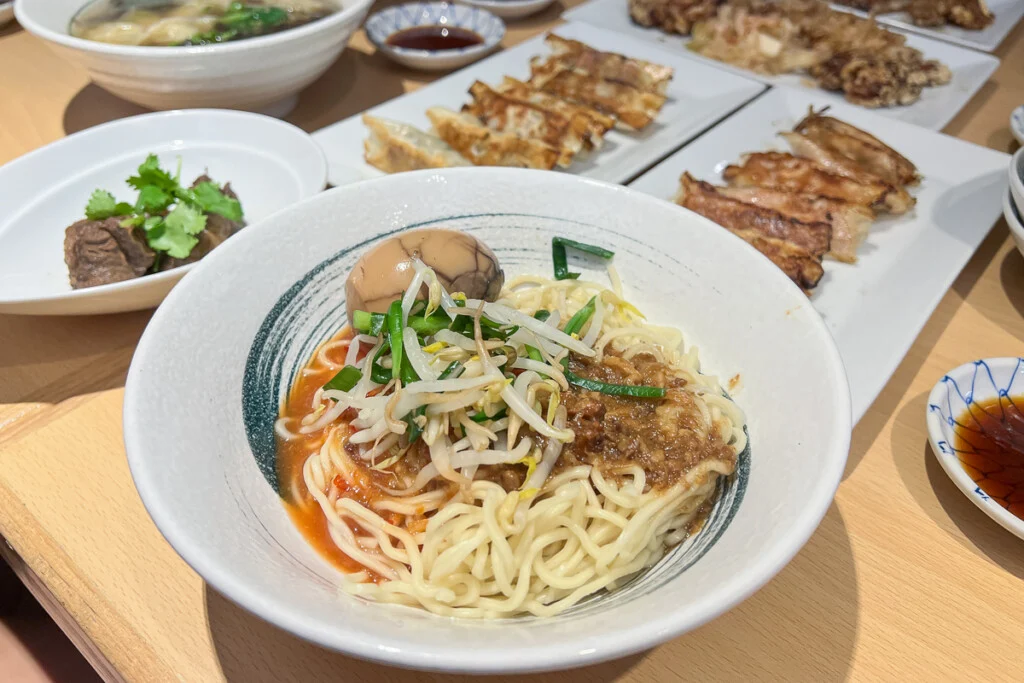
Food is no longer just about eating — it’s about atmosphere, culture, and the story behind every bite. Around the world, travelers and locals constantly debate whether street food or modern food halls provide the better dining experience. Both offer exciting flavors, social interaction, and convenience, but they differ in authenticity, comfort, price, and overall vibe.
For contemporary Asian-inspired dining brands like STIX ASIA, this comparison is especially relevant because modern food halls often try to capture the energy of street markets while adding structure and comfort. Let’s explore both sides in depth.
The Charm of Street Food
Street food has existed for centuries. From bustling night markets in Bangkok to roadside grills in Tokyo, street vendors represent local culinary traditions in their purest form.
1. Authenticity and Cultural Connection
Street food is often considered the most authentic way to experience a region’s cuisine. Recipes are passed down through generations, and vendors typically specialize in one or two dishes perfected over time.
When you eat street food, you’re not just tasting food — you’re tasting history, migration, and tradition. The smells, the sizzling sounds, and the open-air environment create an immersive cultural experience that restaurants sometimes struggle to replicate.
2. Affordability
One of the biggest advantages of street food is price. Because vendors operate with minimal overhead costs, they can offer meals at a fraction of restaurant prices.
For students, travelers, or anyone exploring a city on a budget, street food allows them to try multiple dishes without overspending.
3. Variety and Adventure
Street markets are full of surprises. You might find handmade dumplings next to charcoal-grilled satay, fresh sugarcane juice beside spicy noodles, and desserts you’ve never seen before.
This spontaneous discovery is part of the magic. There’s a thrill in walking through crowded lanes and deciding what to try based purely on smell or appearance.
4. Social Energy
Street food thrives in the community. People stand shoulder to shoulder, share tables, or eat while walking. This creates a lively and informal social environment that feels natural and welcoming.
However, street food isn’t perfect.
The Downsides of Street Food
1. Hygiene Concerns
Cleanliness varies widely between vendors and countries. While many stalls maintain excellent standards, others may not meet strict hygiene expectations. For some diners, especially international tourists, this uncertainty can be stressful.
2. Limited Comfort
Street dining often means plastic stools, crowded spaces, heat, dust, or unpredictable weather. While this adds authenticity, it can reduce comfort for families, elderly diners, or people wanting a relaxed meal.
3. Payment and Accessibility
Some vendors only accept cash, menus may be in local languages, and seating is not always guaranteed. These small inconveniences can affect the overall experience.
The Rise of Food Hall Dining
Food halls are a modern evolution of street markets. Cities like Singapore have pioneered organized hawker-style centers that combine traditional vendors with structured dining spaces.
Today’s food halls aim to preserve street food culture while offering comfort, design, and reliability.
1. Clean and Organized Environment
Food halls provide proper seating, climate control, waste management, and regulated hygiene standards. For many diners, this removes the biggest uncertainty of street food while keeping the same culinary diversity.
Brands like STIX ASIA reflect this shift by creating spaces that bring multiple Asian food experiences together under one roof, combining authenticity with modern hospitality.
2. Convenience and Accessibility
In a food hall, everything is designed for ease. Digital menus, multiple payment options, clear signage, and organized queues make the experience smoother — especially for international visitors.
You can explore several cuisines without worrying about directions, language barriers, or searching for safe vendors.
3. Comfort Without Losing Variety
Food halls allow diners to enjoy street-style meals while sitting comfortably in a clean and visually appealing environment.
This balance is why food halls have become popular in malls, airports, and urban centers. They deliver the excitement of street food with the reliability of a restaurant.
4. Social and Lifestyle Appeal
Food halls often double as lifestyle spaces. They host events, live music, and social gatherings, turning dining into a full experience rather than just a meal.
This makes them attractive for groups, families, and professionals who want both flavor and atmosphere.
The Downsides of Food Halls
1. Higher Prices
Because of rent, branding, and operational costs, food hall dishes are typically more expensive than street food. While still cheaper than fine dining, they may not suit every budget.
2. Less Raw Authenticity
Even when recipes are traditional, the structured setting can feel less adventurous than a real street market. Some diners feel that food halls “polish” the experience too much, removing the unpredictability that makes street food exciting.
3. Commercialization
Food halls sometimes prioritize presentation and branding over heritage. This can make the experience feel curated rather than organic.
Which Offers the Better Experience?
The answer depends on what you value most in dining.
Street food is better if you want:
-
Authentic cultural immersion
-
Ultra-low prices
-
Spontaneous food discovery
-
A lively local atmosphere
Food halls are better if you want
-
Clean and comfortable seating
-
Reliable hygiene standards
-
Multiple cuisines in one safe location
-
A social yet structured dining environment
In reality, the best experience may come from combining both. Travelers might explore street food markets for adventure and then visit modern food halls for relaxation and convenience.
The Future of Dining: A Hybrid Experience
The global dining trend suggests that the line between street food and food halls is fading. Many modern concepts now try to merge both worlds — maintaining authentic flavors while improving presentation, comfort, and service.
Restaurants and food hall brands like STIX ASIA are part of this movement. They show how traditional Asian street flavors can be celebrated inside modern spaces without losing their cultural identity.
This hybrid approach reflects what today’s diners want:
-
authenticity without discomfort
-
variety without chaos
-
tradition without compromise
Final Thoughts
Street food and food hall dining are not competitors — they are two expressions of the same culinary culture. Street food represents history, tradition, and raw local flavor, while food halls represent evolution, accessibility, and modern lifestyle needs.
If you want a story to tell, street food might win.
If you want a relaxed, dependable experience, food halls take the lead.
But if you want the future of dining, it’s likely found somewhere in between — where authentic flavors meet thoughtful design, just as modern Asian dining concepts are beginning to demonstrate.
Nach Verein filtern
Read More
Pure Silver Metallic Yarn is a specialized material used in both the textile and industrial sectors for its aesthetic appeal, conductivity, and durability. Unlike conventional threads, this yarn incorporates fine layers of pure silver, either as a coating or through a composite structure, creating a reflective, metallic finish. Understanding the production, applications, and properties of Pure...

Global Demand Outlook for Executive Summary Cloud Web Content Management Market Size and Share The global Cloud Web Content Management Market is experiencing significant growth due to increasing digital transformation initiatives, rising adoption of cloud computing technologies, and growing demand for personalized digital customer experiences across industries. Cloud web content management...

Mahadev Book is becoming a popular digital platform known for its smooth interface, fast performance, and simple access system. New users who want to explore this platform often look for a clear guide that explains how it works, how to create an account, and how to log in safely. This complete beginner-friendly guide will help you understand everything about Mahadev Book in an easy and...

In an increasingly digital business environment, companies must rely on robust, secure, and efficient IT infrastructure to remain competitive. We provide managed IT services in Indianapolis designed to streamline operations, enhance security, and ensure uninterrupted business performance. Our solutions are built to support organizations of all sizes with proactive management, strategic...

The market research for the global Smart Classrooms market is an accumulation of first-hand facts and quantitative and qualitative evaluation and analysis for the forecast period (2024-2032). The report offers a comprehensive assessment of macro-economic indicators, parent market trends, and several factors influencing the market dynamics. In addition, it also assesses the latest...