


The Proactive Revolution: An In-Depth Overview of the Predictive Maintenance Industry
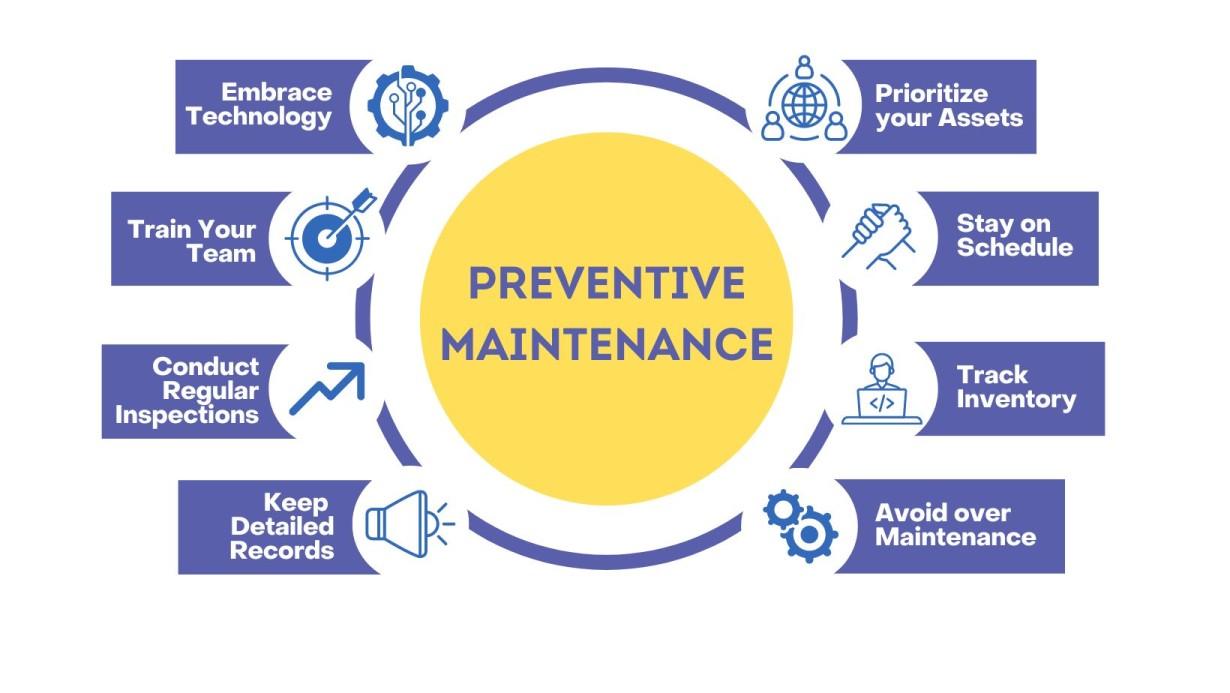
The world of industrial operations is undergoing a fundamental paradigm shift, moving away from reactive, "fix-it-when-it-breaks" models to a new era of intelligent foresight. At the vanguard of this transformation is the rapidly expanding Predictive Maintenance industry, a sector dedicated to forecasting equipment failures before they occur. This industry leverages a powerful convergence of technologies—including the Internet of Things (IoT), big data analytics, and artificial intelligence—to continuously monitor the health of critical assets in real-time. Instead of relying on fixed schedules or waiting for a catastrophic breakdown, predictive maintenance (PdM) allows organizations to perform targeted maintenance at the precise moment it is needed. This proactive approach dramatically reduces unplanned downtime, extends the lifespan of machinery, optimizes maintenance resources, and enhances worker safety. By transforming maintenance from a reactive cost center into a proactive, data-driven strategic function, the industry is unlocking unprecedented levels of operational efficiency and reliability for sectors ranging from manufacturing and energy to transportation and healthcare, forming a cornerstone of the broader Industry 4.0 revolution.
The technological foundation of the predictive maintenance industry is a sophisticated, multi-layered data pipeline. It begins at the "edge," with the deployment of a wide array of sensors on physical assets. These IoT sensors capture a continuous stream of data on key operational parameters, such as vibration, temperature, acoustics, pressure, and oil viscosity. This raw data is then collected, often pre-processed by edge computing gateways to reduce latency and data transmission costs, and securely sent to a central data repository, typically a cloud-based data lake or warehouse. Here, the data is cleaned, aggregated, and stored alongside historical maintenance records and operational logs. This massive, consolidated dataset provides the essential fuel for the next stage: the application of advanced analytics. Machine learning algorithms, including regression models, classification trees, and complex neural networks, are trained on this historical data to identify the subtle patterns and correlations that precede a failure, creating a predictive model that can accurately forecast the remaining useful life of a component or system.
The competitive landscape of the predictive maintenance industry is a diverse and dynamic ecosystem of players, each bringing unique expertise to the table. On one side are the industrial and manufacturing giants like Siemens, GE, Bosch, and Schneider Electric. These companies have a deep, domain-specific understanding of their own equipment and are increasingly building PdM capabilities directly into their products, offering "smart" turbines, engines, and production line machinery as a service. On the other side are the major cloud and software providers, such as Microsoft (with Azure IoT), Amazon Web Services (AWS), Google Cloud, and IBM (with its Maximo platform). They provide the scalable cloud infrastructure, IoT platforms, and machine learning toolkits that enable organizations to build their own custom PdM solutions. A third crucial segment consists of specialized AI and analytics software vendors, like C3.ai and SAS, who offer dedicated platforms for developing and deploying sophisticated predictive models. Finally, system integrators and consulting firms like Accenture and Deloitte play a vital role in helping enterprises navigate the complexity of implementing end-to-end PdM strategies.
The ultimate vision for the predictive maintenance industry extends beyond simply predicting failures to enabling fully autonomous operations. This involves the concept of the "digital twin"—a living, dynamic virtual replica of a physical asset that is continuously updated with real-time data from its IoT sensors. This digital twin can be used to run simulations, test "what-if" scenarios, and optimize the asset's performance without impacting the physical world. In a fully realized PdM ecosystem, a digital twin could detect an impending failure in a component, automatically check the company's inventory system for a spare part, place an order with a supplier if one is not available, schedule a maintenance window to minimize operational disruption, and generate a detailed work order with step-by-step instructions (potentially delivered via augmented reality) for the maintenance technician. This closed-loop, automated workflow represents the future of the industry, where maintenance becomes a seamless, self-optimizing process that maximizes uptime and business value.
Explore More Like This in Our Trending Reports:
Gcc Entertainment Media Market
Japan Entertainment Media Market
Canada Strategy Consulting Market
Categorias
Leia mais
Ski lessons in Singapore are now accessible without leaving the island thanks to indoor snow venues. This guide explains where to learn, what classes look like, and how much packs cost in 2026. TL;DR Find most ski and snowboard training at Trifecta Singapore, the main indoor snow arena. Intro classes run 1–2 hours; pack deals cut per-class costs to about SGD 74–77. Book...

North America continues to lead the adoption of advanced wireless communication technologies as organizations seek more intelligent and efficient ways to manage limited spectrum resources. The growing deployment of next-generation communication networks, increasing defense modernization programs, and expanding use of connected devices are accelerating the adoption of cognitive radio technology...

A clean yard isn’t just about appearance—it’s about health, comfort, and peace of mind. If you’re tired of stepping around pet waste or spending your weekends cleaning up after your dog, it’s time to consider a professional pooper scooper solution. Scoop Duke proudly offers reliable and affordable dog poop scooper service in Prosper and surrounding areas, helping...

The World Series of Poker (WSOP) is the most prestigious poker tournament series in the world. Established in 1970, it has grown into a global event that attracts thousands of players ranging from amateurs to elite professionals. Held annually in Las Vegas, the WSOP features dozens of events across multiple poker formats. The most famous is the Main Event, a No-Limit Texas Hold’em...

"Detailed Analysis of Executive Summary Space Heater Market Size and Share CAGR Value Space heater market will expect to grow at a rate of 5.60% for the forecast period of 2021 to 2028. Space heater market report analyses the growth, which is currently being growing due to the increasing penetration of electronic devices in emerging countries. In the universal Space Heater Market...
