


The Evidence Locker: Deconstructing the Modern Body-Worn Camera Market Platform
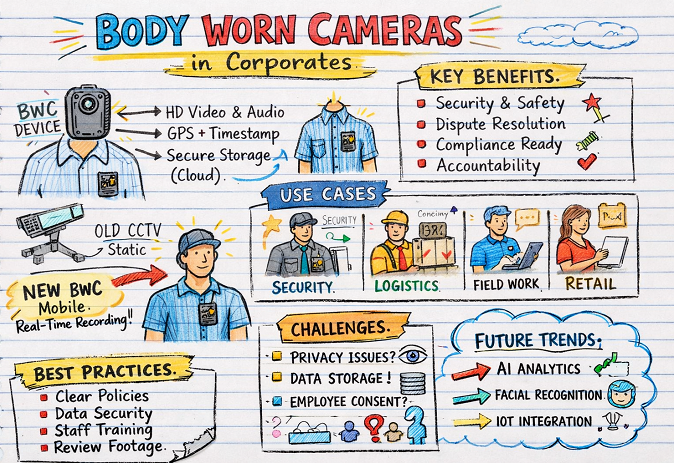
The effectiveness of a body-worn camera program is not determined by the camera alone, but by the comprehensive, end-to-end technology ecosystem that supports it, the modern Body-Worn Camera Market Platform. This platform is a complex, integrated system of hardware, software, and cloud services designed to manage the entire lifecycle of digital evidence, from capture in the field to its eventual use in court or for training purposes. The platform's fundamental purpose is to ensure the security, integrity, and accessibility of the vast amounts of sensitive video data being generated. It must provide a secure chain of custody, sophisticated tools for management and redaction, and a scalable storage solution that can handle the terabytes of data produced by a single agency every single day. The architecture of this platform is the key competitive differentiator for vendors in the market, as it is the software and services, not just the hardware, that create long-term value and deep customer relationships, forming the central nervous system of the modern, evidence-based public safety agency.
The foundational layer of the platform is the Data Capture and Ingestion Layer. This starts with the body-worn camera itself, a ruggedized piece of hardware designed for the rigors of field use. But it also includes other interconnected devices, such as in-car video systems and even smartphone apps for citizen evidence submission. A key component of this layer is the docking station. At the end of a shift, an officer places their camera in a docking station, which simultaneously recharges the device and, more importantly, automatically and securely uploads all the recorded video footage to the central evidence management system. This automated upload process is critical for ensuring data integrity and for minimizing the administrative burden on the officer. The platform often includes intelligent triggers, where an event like turning on a police car's lights or drawing a weapon can automatically activate the body-worn camera, ensuring that critical incidents are always recorded without requiring conscious action from the officer.
The core of the platform is the Digital Evidence Management System (DEMS), which is the secure software application that serves as the central repository and management hub for all digital evidence. This platform is almost always cloud-based, typically running on a highly secure government-certified cloud infrastructure like Microsoft Azure Government or AWS GovCloud. The DEMS is much more than just a video storage locker. It provides a detailed, unalterable audit trail that logs every single action taken on a piece of evidence—who viewed it, when they viewed it, if it was shared, etc.—creating a robust chain of custody. It includes powerful search and categorization tools, allowing officers and prosecutors to quickly find the specific video related to a particular case number, date, or officer. A critical feature of the DEMS is the redaction tool. This software allows an administrator to easily blur out faces of minors, innocent bystanders, or other sensitive information before a video can be released to the public or media, a vital tool for protecting privacy.
The final layer is the Integration and Sharing Layer. A modern body-worn camera platform cannot operate in a silo; its value is maximized when it is deeply integrated with the other software systems used by a public safety agency. The most important integration is with the Records Management System (RMS) and the Computer-Aided Dispatch (CAD) system. This allows video evidence to be automatically linked to the correct incident report, saving a huge amount of manual data entry. Another critical integration is with the prosecutor's office and the court system. The platform must provide a secure and auditable way for police to share relevant video evidence with prosecutors for case preparation. Many platforms now include a dedicated portal for prosecutors to securely review and manage the evidence shared with them. This deep integration across the entire criminal justice workflow is what transforms the body-worn camera from a simple recording device into a central component of a fully integrated, end-to-end digital justice system.
Explore More Like This in Our Trending Reports:
Categorias
Leia Mais
Technology failures never happen at a convenient time. A slow computer, unexpected software crash, network disruption, or security issue can instantly bring productivity to a halt. While many businesses attempt to troubleshoot problems internally, every wasted minute translates into lost revenue, frustrated employees, and unhappy customers. This is why Remote It Support has become the preferred...

According to the latest report published by Data Bridge Market Research, the Middle East and Africa Third Party Risk Management Market CAGR Value The Middle East and Africa third party risk management market size was valued at USD 1.00 billion in 2025 and is expected to reach USD 3.46 billion by 2033, at a CAGR of 16.70% during the forecast...

1. The Core of Modern Laser Systems: Galvo Scanning Technology In the field of industrial marking and engraving, galvo scanning has become the core technology driving speed and precision. A scan head equipped with high-speed mirrors directs laser beams accurately over surfaces, allowing for rapid marking without moving the workpiece. This setup makes galvo laser systems ideal for mass...
According to the latest report published by Data Bridge Market Research, the Digital Transformation of Maritime Freight Market The global digital transformation of maritime freight market size was valued at USD 29.34 million in 2024 and is expected to reach USD 59.33 million by 2032, at a CAGR of 9.2% during the forecast period An influential Digital Transformation of Maritime Freight...

Horse race betting has long been one of the most exciting forms of sports betting. Every race offers a unique combination of speed, skill, strategy, and unpredictability, making it a favorite among betting enthusiasts around the world. Thanks to online platforms, horse race betting is now easier and more accessible than ever before. Whether you are placing your first bet or already have...
