The Art of Space Planning: Secrets from Top Interior Experts
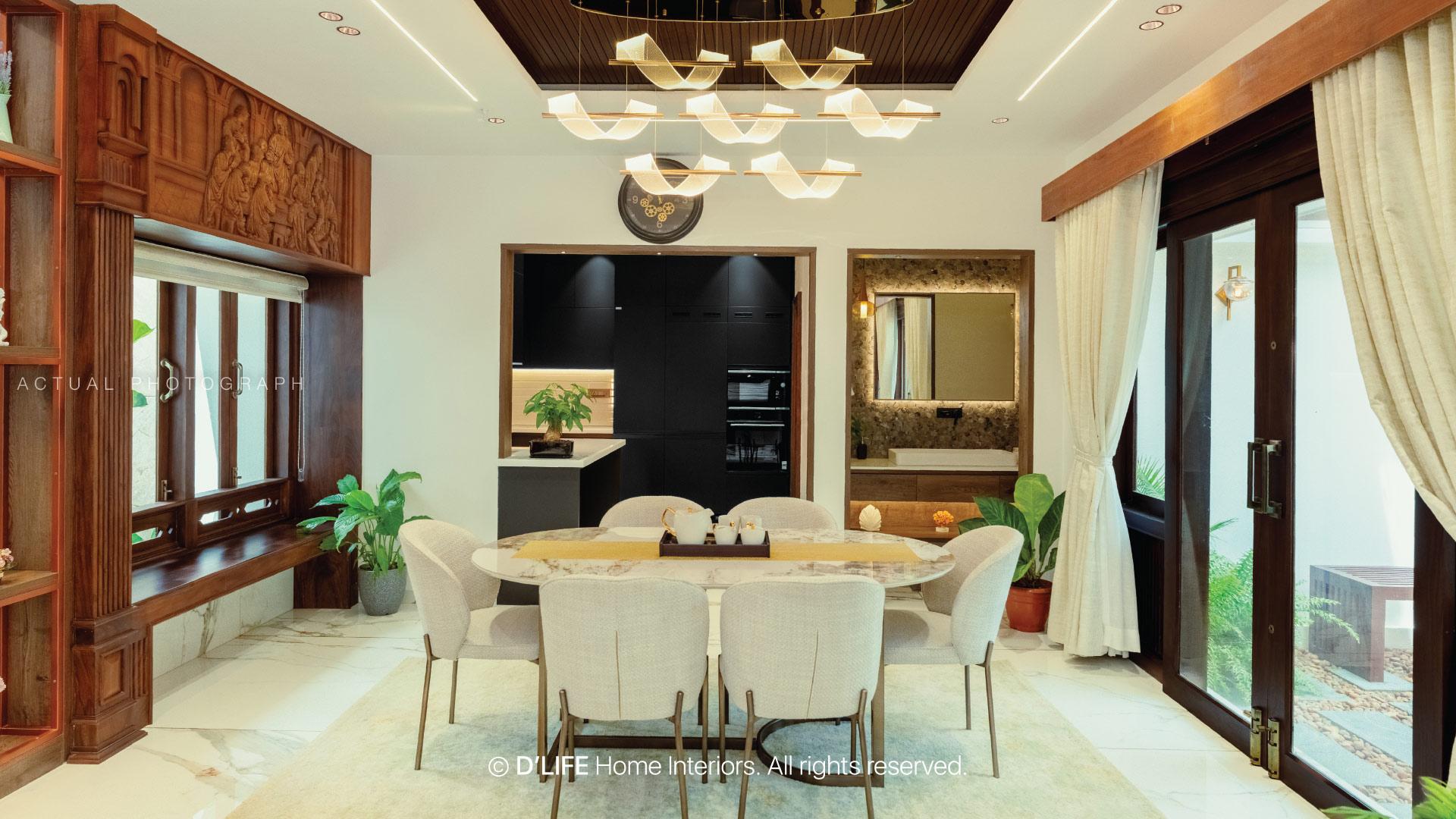
Space planning is the foundation of every well-designed interior. While colors, furniture, and décor often grab attention, it is the thoughtful arrangement of space that truly determines how a home looks, feels, and functions. Our interior designers in Kottayam agree that great design is not just about aesthetics—it’s about creating a seamless balance between beauty and usability. Whether it’s a compact apartment or a spacious villa, mastering the art of space planning can transform any environment into a harmonious and efficient living space.
Understanding Space Planning
At its core, space planning is the process of organizing furniture, movement paths, and functional zones within a given area. It involves analyzing how a space will be used and ensuring that every square foot serves a purpose. Good space planning takes into account human behavior, lifestyle needs, and spatial constraints, ensuring that the design works effortlessly in daily life.
Interior designers often begin by studying the layout, natural lighting, ventilation, and structural elements of a home. They then create a plan that maximizes usability without compromising comfort or style. This is why professionally designed spaces often feel “just right”—everything has its place, and nothing feels forced.
The Importance of Functionality First
One of the biggest secrets from top interior experts is prioritizing functionality over decoration. A visually stunning room can quickly lose its appeal if it doesn’t function well. For instance, a living room with oversized furniture might look luxurious but could restrict movement and make the space feel cramped.
Experts recommend asking simple questions during the planning stage:
-
How will this space be used daily?
-
How many people will use it?
-
What activities will take place here?
By answering these questions, designers can create layouts that support real-life needs. For example, a family home may require open spaces for interaction, while a work-from-home setup might need a quiet, dedicated corner.
Creating Clear Zones
Modern homes often combine multiple functions within a single area, especially in urban settings. This makes zoning an essential aspect of space planning. Zoning involves dividing a space into distinct areas for specific purposes without necessarily using walls.
Designers use various techniques to define zones:
-
Furniture placement (like using a sofa to separate the living and dining areas)
-
Rugs to visually anchor spaces
-
Lighting variations to distinguish functions
-
Partial partitions or shelving units
Effective zoning ensures that each area feels purposeful while maintaining an open and cohesive look.
Optimizing Flow and Movement
Another critical element of space planning is ensuring smooth movement throughout the home. This is often referred to as “circulation” in design terms. A well-planned layout allows people to move comfortably without obstacles or confusion.
Experts suggest maintaining clear pathways and avoiding overcrowding. Furniture should be arranged in a way that supports natural movement patterns. For example, there should be enough space between a coffee table and a sofa for easy access, and doorways should remain unobstructed.
Good flow not only enhances usability but also contributes to a sense of spaciousness, even in smaller homes.
Maximizing Small Spaces
Space constraints are a common challenge, especially in city apartments. However, top designers view small spaces as opportunities for creativity. With smart planning, even compact homes can feel open and functional.
Some proven strategies include:
-
Using multi-functional furniture (like sofa beds or storage ottomans)
-
Opting for wall-mounted units to free up floor space
-
Incorporating built-in storage solutions
-
Choosing lighter color palettes to create an airy feel
Mirrors, vertical storage, and minimalistic design approaches can also significantly enhance the perception of space.
The Role of Furniture Selection
Furniture plays a major role in space planning. It’s not just about choosing stylish pieces—it’s about selecting the right size, scale, and proportion. Oversized furniture can overwhelm a room, while undersized pieces may make it feel incomplete.
Experts often recommend:
-
Measuring the space before purchasing furniture
-
Creating a layout plan to visualize placement
-
Choosing pieces that complement the room’s dimensions
Modular and custom furniture are increasingly popular as they can be tailored to fit specific spaces perfectly, ensuring optimal utilization.
Balancing Aesthetics and Practicality
A successful space plan strikes a balance between visual appeal and practicality. While it’s tempting to follow design trends, experts emphasize the importance of personalization. A home should reflect the lifestyle and preferences of its occupants.
For instance, a minimalist design may look elegant, but it may not suit a family that requires ample storage and functionality. Similarly, an open layout may not work for someone who values privacy.
The key is to blend style with usability, ensuring that the design enhances everyday living.
Leveraging Natural Light and Ventilation
Space planning is not limited to furniture and layout—it also involves optimizing natural elements like light and airflow. Proper placement of furniture can enhance the flow of natural light, making spaces feel brighter and more inviting.
Designers often position seating areas near windows and avoid blocking light sources with bulky furniture. Similarly, ensuring good ventilation improves comfort and contributes to a healthier indoor environment.
Planning for Storage
Clutter is one of the biggest enemies of good design. Effective space planning always includes smart storage solutions to keep the home organized and tidy.
Experts recommend:
-
Utilizing underutilized areas (like under stairs or beds)
-
Incorporating hidden storage within furniture
-
Designing floor-to-ceiling cabinets for maximum capacity
A well-organized space not only looks better but also functions more efficiently.
Flexibility and Future Needs
Another secret from top interior experts is planning for the future. Homes evolve over time, and space planning should accommodate changing needs. For example, a guest room today might become a home office tomorrow.
Flexible design elements, such as movable furniture or modular layouts, allow spaces to adapt without major renovations. This forward-thinking approach ensures long-term usability and value.
The Final Touch: Harmony and Balance
Ultimately, great space planning is about creating harmony. Every element—furniture, lighting, colors, and layout—should work together seamlessly. When done right, the result is a space that feels comfortable, functional, and visually appealing.
Interior experts often describe this as achieving a “balanced composition,” where no single element dominates the space. Instead, everything comes together to create a cohesive and inviting environment.
The art of space planning goes far beyond arranging furniture—it’s about understanding how people live and designing spaces that enhance their daily experiences. By focusing on functionality, optimizing flow, creating clear zones, and incorporating smart storage solutions, homeowners can achieve interiors that are both beautiful and practical.
Whether you’re designing a new home or renovating an existing one, investing time in proper space planning with the guidance of professional interior designers in India can make all the difference. With the right approach and insights from top interior experts, any space can be transformed into a well-organized, efficient, and inspiring environment.
Nach Verein filtern
Read More
Managing oily skin can feel overwhelming, especially when battling acne, shine, and uneven tone. One effective solution is vitamin C serum for oily skin, a lightweight, antioxidant-rich formula that helps control excess oil, reduce blemishes, and brighten the complexion. In Pakistan’s humid environment, this serum provides much-needed protection against pollution and UV damage while...

Dubai has emerged as a global business powerhouse, attracting a vast range of entrepreneurs and SMEs (Small and Medium Enterprises). For SMEs, banking is a critical pillar that affects operations, growth potential, and financial stability. Selecting the right banking option in Dubai is not just a matter of convenience — it is a strategic decision that influences business success. With a...

Polaris Market Research has published a brand-new report titled U.S. Millimeter Wave (MMW) Technology Market Size, Share, Trends, & Industry Analysis Report By Product (Telecommunication Equipment, Imaging & Scanning Systems), By Component, By Frequency Band, By Application – Market Forecast, 2025–2034 that includes extensive information and analysis of the...

What is a CNC Tool Holder? A CNC tool holder is a device that holds the cutting tool inside the CNC machine spindle. It connects the machine with the cutting tool and ensures proper alignment during machining. Without a proper holder, even the best cutting tools cannot perform well. There are different types of holders available in the market like BT, CAT, HSK, and collet chucks. Each type is...

Privacy advocates globally unite against Ireland's encryption compromise push Over 40 organizations and cybersecurity specialists demand policy reversal Tech giants' European headquarters host faces backlash over surveillance plans Weakening encryption tools threatens international privacy standards Justice Minister Jim O'Callaghan champions law enforcement access Proposed legislation would...