Rising Demand for Hygiene and Eco-Friendly Solutions to Drive North America Industrial Cleaning Wiper Market to US$ 6.6 Bn by 2034 at 6.8% CAGR
The North America industrial cleaning wiper market is witnessing steady expansion, driven by rising hygiene awareness, regulatory pressure, and the growing need for efficient cleaning solutions across industries. Ready-to-use disinfecting wipes have gained significant traction due to their convenience, consistent performance, and ability to ensure effective sanitation.
Industries such as food processing, automotive, warehouses, and healthcare are increasingly relying on pre-wetted wipes to maintain high standards of cleanliness. In healthcare environments, these wipes play a crucial role in disinfecting medical devices and surfaces, reducing the risk of contamination and infection transmission.
Moreover, industrial workers benefit from the ease of use of these wipes, as they help remove grease, dirt, and contaminants efficiently. This not only enhances workplace safety but also boosts productivity by minimizing downtime associated with cleaning processes. The shift toward eco-friendly and less toxic cleaning materials further strengthens market growth prospects.
Market Outlook
The North America industrial cleaning wiper market was valued at US$ 3.3 Bn in 2023 and is projected to reach US$ 6.6 Bn by 2034, expanding at a CAGR of 6.8% during the forecast period (2024–2034).
The market’s expansion is supported by increasing industrialization, strict hygiene regulations, and the rising adoption of disposable and reusable wipes across multiple end-use sectors.
Market Introduction
Industrial cleaning wipes are specialized disposable or reusable cloths designed to remove contaminants such as oil, grease, dust, and chemical residues from machinery, equipment, and surfaces. These wipes are commonly made from nonwoven materials like polyester, polypropylene, and cellulose, often infused with cleaning agents or disinfectants.
They are widely used across industries including healthcare, food production, automotive, aerospace & defense, pharmaceuticals, and general manufacturing. Their versatility, efficiency, and ease of use make them a preferred choice over traditional cleaning methods.
Nonwoven industrial wipers, in particular, have gained strong market acceptance due to their superior absorbency, durability, and cost-effectiveness. Wet wipes, especially pre-saturated variants, are increasingly used in production environments where hygiene and efficiency are critical.
Key Market Drivers
1. Stringent Industrial Hygiene Regulations
Strict workplace hygiene standards are a major factor fueling market growth. Regulatory bodies such as the Occupational Safety and Health Administration (OSHA) enforce safety and cleanliness guidelines across industrial facilities in the U.S.
These regulations require companies to adopt effective cleaning practices to minimize worker exposure to hazardous substances. Poor hygiene can lead to employee illness, reduced productivity, and potential legal liabilities, making industrial cleaning wipes an essential component of workplace safety strategies.
The increasing number of inspections and compliance requirements across industries is further driving demand for reliable and easy-to-use cleaning solutions.
2. Growing Demand for Non-toxic and Eco-friendly Cleaning Solutions
Environmental concerns associated with traditional cleaning chemicals are encouraging industries to adopt safer alternatives. Conventional solvents, oils, and hydrocarbons used in cleaning processes can harm both human health and the environment.
As a result, companies are shifting toward biodegradable, low-toxicity cleaning agents integrated into industrial wipes. This trend aligns with sustainability goals and regulatory requirements, making eco-friendly wipes a key growth segment in the market.
The rising awareness of environmental impact and worker safety is expected to significantly boost demand for sustainable industrial cleaning products.
3. Increased Adoption Across Multiple End-use Industries
Industrial cleaning wipes are gaining widespread adoption across sectors such as:
- Healthcare – for disinfecting surfaces and medical equipment
- Food processing – to maintain hygiene and prevent contamination
- Automotive – for cleaning machinery and removing grease
- Manufacturing – for general maintenance and operational efficiency
The versatility and convenience of wipes make them indispensable in environments where cleanliness directly impacts product quality and safety.
Country Outlook
United States: Market Leader
The U.S. dominates the North America industrial cleaning wiper market in terms of both value and volume. Several factors contribute to this leadership:
- Strong industrial base and manufacturing sector
- High adoption of advanced cleaning technologies
- Favorable government investments in public health
- Presence of major market players
Additionally, strict regulatory frameworks and increasing focus on workplace safety further drive demand for industrial cleaning wipes in the country.
Canada: Emerging Growth Hub
Canada is expected to witness notable growth during the forecast period. The expansion of industrial and institutional sectors, coupled with increasing awareness about hygiene, is boosting demand for cleaning wipes.
The recovery of key industries such as automotive and food services to pre-pandemic levels is also contributing to market growth. Economic stability and rising investments in industrial infrastructure further support the market outlook in Canada.
Segment Outlook
The market is segmented based on product type, category, material, dispenser type, end-use, and distribution channel.
- Product Type: Wet/pre-saturated wipes dominate due to convenience and effectiveness
- Category: Disposable wipes hold a larger share owing to hygiene benefits
- Material: Nonwoven wipes lead the market due to durability and absorbency
- End-use: Manufacturing and healthcare sectors account for significant demand
The increasing use of portable dispensers and canister wipes is also enhancing product accessibility and usability across industries.
Competitive Landscape
The North America industrial cleaning wiper market is highly competitive, with key players focusing on innovation, sustainability, and strategic expansion.
Prominent companies operating in the market include:
- 3M
- Kimberly-Clark Professional
- Procter & Gamble
- Berry Global Inc.
- GOJO Industries Inc.
- Essity AB
- Newell Brands
- ITW ProBrands
- Contec, Inc.
- 2XL Corporation
These companies are investing heavily in research and development to introduce advanced, eco-friendly, and high-performance cleaning wipes.
Key Strategies Adopted by Players
- Expansion of product portfolios with sustainable materials
- Mergers and acquisitions to strengthen market presence
- Development of innovative disinfecting solutions
- Focus on compliance with environmental and safety regulations
Companies are also leveraging technological advancements to improve product efficiency and cater to evolving customer needs.
Recent Developments
- 2022: Contec, Inc. launched PROSAT pre-saturated wipes under its CyQuanol disinfectant line
- 2022: GOJO Industries Inc. introduced healthcare surface disinfecting wipes under the PURELL brand
- 2022: Essity AB acquired Legacy Converting, Inc. to expand its wiping solutions portfolio
These developments highlight the industry’s focus on innovation and strategic growth.
Future Outlook
The North America industrial cleaning wiper market is poised for sustained growth over the next decade. Increasing industrial activities, rising hygiene awareness, and stringent regulatory requirements will continue to drive demand.
The shift toward eco-friendly and non-toxic cleaning solutions is expected to reshape product development strategies, while advancements in material science will enhance product performance.
As industries prioritize efficiency, safety, and sustainability, industrial cleaning wipes will remain an essential component of modern industrial operations, ensuring a cleaner, safer, and more productive work environment.
Categorias
Leia Mais
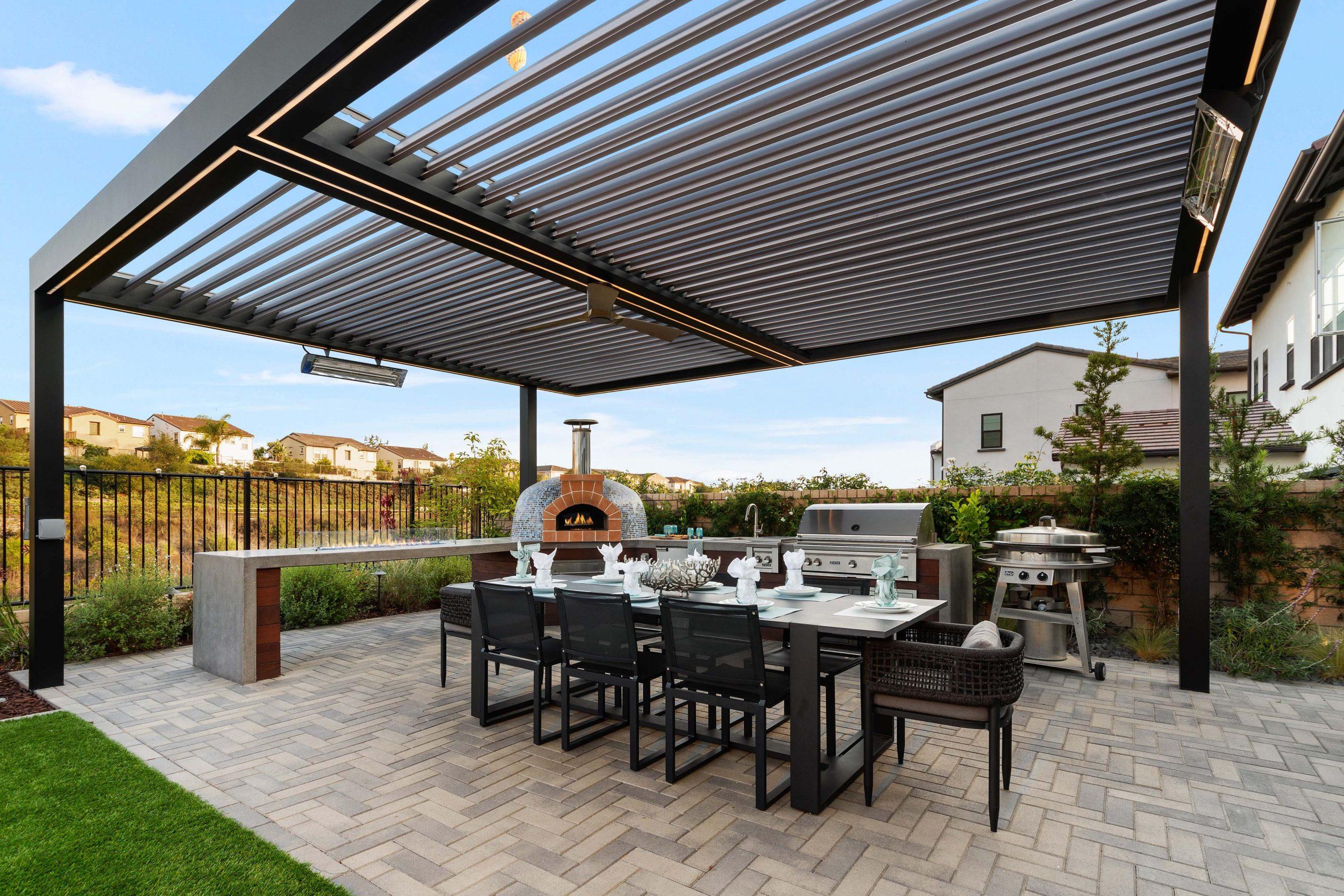
A New Standard in Outdoor Living We introduce the next generation of outdoor solutions with our RT Louver Pergola, a system designed to deliver unmatched comfort, control, and architectural elegance. By combining innovative louvered roof technology with the versatility of 4 season sunrooms, we create spaces that are functional, stylish, and usable throughout the entire year. Our approach...
The demand for skilled data professionals has grown rapidly across industries in India. From healthcare and finance to e-commerce and digital marketing, companies are relying on data-driven decisions more than ever before. This shift has created strong opportunities for students and working professionals looking to build an analytics career with future growth potential. However,...

"Executive Summary Asia-Pacific Japanese Restaurant Market: Growth Trends and Share Breakdown CAGR Value The Asia-Pacific Japanese restaurant market was valued at USD 7.79 billion in 2024 and is expected to reach USD 10.36 billion by 2032 During the forecast period of 2025 to 2032 the market is likely to grow at a CAGR of 3.67%, primarily driven by the...

"Executive Summary Asia-Pacific Mainframe Market Market Research: Share and Size Intelligence CAGR Value The global mainframe market was valued at USD 7.31 billion in 2024 and is expected to reach USD 9.83 billion by 2032 During the forecast period of 2025 to 2032 the market is likely to grow at a CAGR of 3.8%, primarily driven by the accelerated...
According to recent data released by Eurostat, approximately one-third of internet users across the European Union's 27 member states experienced malware infections in the second quarter of 2010, leading to data or productivity losses. The report highlights that a small but notable percentage of users, around 3%, encountered financial setbacks due to phishing, pharming, or fraudulent credit...