


Chandra Namaskaram: A Complete Guide to the Moon Salutation Practice
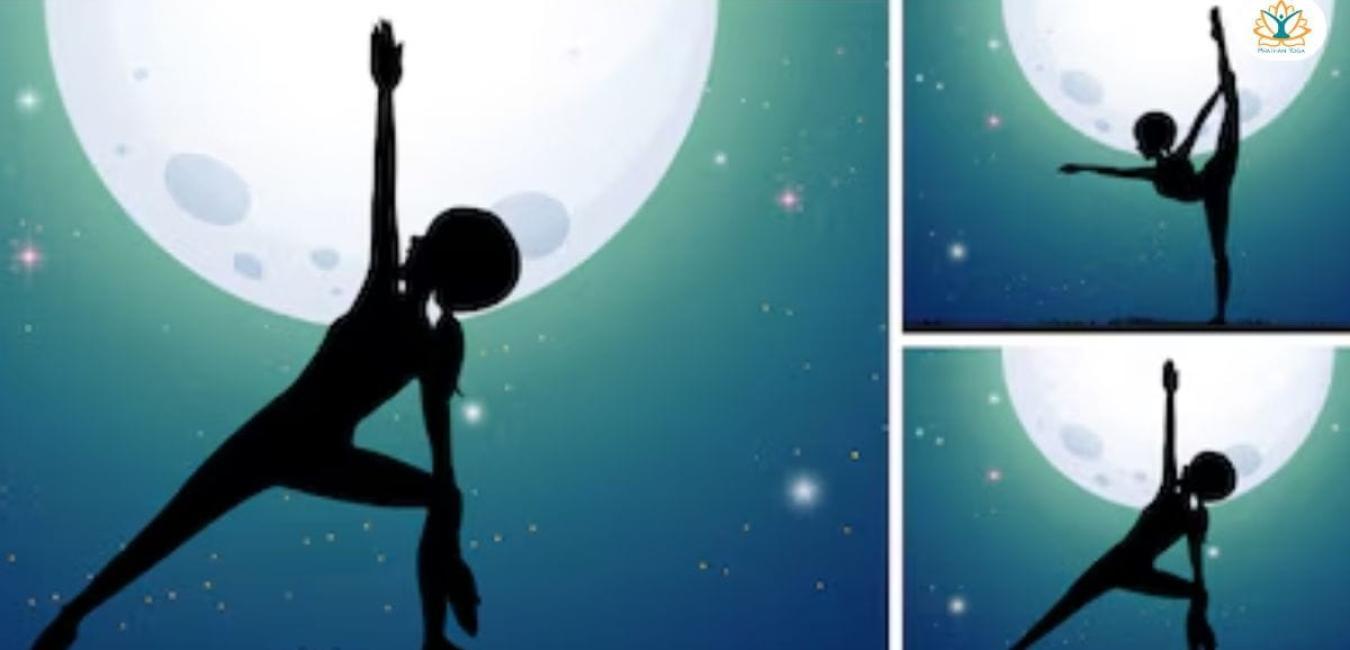
Chandra Namaskaram, also known as the Moon Salutation, is a calming and introspective yoga sequence designed to harness the soothing energy of the moon. Unlike the more dynamic and energizing Sun Salutation, Chandra Namaskaram focuses on cooling the body, calming the mind, and nurturing inner awareness. Practicing chandra namaskaram regularly can help restore balance, reduce stress, and promote emotional stability, making it an essential addition to any yoga routine.
What is Chandra Namaskaram?
Chandra Namaskaram is a graceful sequence of yoga postures performed in a flowing manner, synchronized with breath. The word “Chandra” means moon, and “Namaskaram” means salutation. Together, chandra namaskaram symbolizes honoring the moon’s gentle and reflective qualities. This sequence is typically practiced in the evening or during moonlit nights, especially on full moon days, to align the body with lunar energy.
The practice emphasizes slow, mindful movements that encourage relaxation and introspection. It is particularly beneficial for those seeking a meditative and cooling yoga experience.
Benefits of Chandra Namaskaram
Incorporating chandra namaskaram into your routine offers a wide range of physical, mental, and emotional benefits:
1. Calms the Nervous System
The slow and rhythmic movements of chandra namaskaram help activate the parasympathetic nervous system, promoting relaxation and reducing stress levels.
2. Improves Flexibility
The sequence involves gentle stretches that enhance flexibility in the spine, hips, and legs, making the body more supple over time.
3. Balances Energy
Chandra namaskaram balances the body’s energy by calming excess heat and promoting a sense of tranquility.
4. Supports Emotional Well-being
This practice encourages mindfulness and emotional release, helping to reduce anxiety, mood swings, and mental fatigue.
5. Enhances Sleep Quality
Practicing chandra namaskaram in the evening can prepare the body for restful sleep by calming the mind and relaxing the muscles.
When to Practice Chandra Namaskaram
Chandra namaskaram is best practiced in the evening, particularly after sunset. It is ideal during:
-
Full moon nights
-
Stressful or emotionally intense days
-
Before bedtime for relaxation
-
During hot weather to cool the body
While it can be practiced at any time, evening sessions provide the most benefits as they align with the calming energy of the moon.
Step-by-Step Sequence of Chandra Namaskaram
Chandra namaskaram consists of a series of poses performed in a flowing sequence. Here is a simple step-by-step guide:
1. Prayer Pose (Pranamasana)
Stand tall with feet together and palms joined at the heart center. Take a few deep breaths and center your awareness.
2. Raised Arms Pose (Hasta Uttanasana)
Inhale and gently lift your arms overhead, arching the back slightly to open the chest.
3. Forward Bend (Uttanasana)
Exhale and fold forward, bringing your hands toward the floor and relaxing your head.
4. Low Lunge (Ashwa Sanchalanasana)
Step one foot back, lowering the knee to the floor while lifting the chest and gazing upward.
5. Half Moon Pose (Ardha Chandrasana Variation)
Shift into a side stretch, extending the body to one side, symbolizing the crescent moon shape.
6. Goddess Pose (Chandrasana)
Open the hips and bend the knees, bringing arms into a wide, open position. This pose connects deeply with feminine lunar energy.
7. Triangle Pose (Trikonasana)
Extend one arm down toward the foot and the other upward, creating a triangular shape with the body.
8. Reverse the Sequence
Move back through the poses in reverse order to return to the starting position.
Repeat the sequence on both sides to maintain balance in the body.
Breathing in Chandra Namaskaram
Breath plays a vital role in chandra namaskaram. Each movement is coordinated with inhalation and exhalation to create a smooth, meditative flow. Slow, deep breathing enhances relaxation and helps you stay present throughout the practice.
-
Inhale during expansion and upward movements
-
Exhale during folding and grounding movements
Maintaining a steady breath rhythm is key to experiencing the full benefits of chandra namaskaram.
Chandra Namaskaram vs Surya Namaskaram
While both sequences are fundamental in yoga, they serve different purposes:
-
Chandra Namaskaram is cooling, calming, and introspective
-
Surya Namaskaram is energizing, heating, and activating
Chandra namaskaram is ideal for winding down, whereas Surya Namaskaram is better suited for morning practice to boost energy levels.
Tips for Practicing Chandra Namaskaram
To get the most out of your chandra namaskaram practice, consider these tips:
-
Practice in a शांत and शांत environment
-
Use soft lighting or candlelight to enhance relaxation
-
Focus on slow, controlled movements
-
Avoid rushing through the sequence
-
Listen to your body and modify poses if needed
Consistency is more important than intensity, so aim to practice regularly for lasting benefits.
Who Can Practice Chandra Namaskaram?
Chandra namaskaram is suitable for practitioners of all levels, including beginners. Its gentle nature makes it especially beneficial for:
-
People experiencing stress or anxiety
-
Those recovering from fatigue or burnout
-
Individuals looking for a calming evening routine
-
Yoga beginners seeking a slow-paced practice
However, those with injuries or medical conditions should consult a professional before starting.
Spiritual Aspect of Chandra Namaskaram
Beyond physical benefits, chandra namaskaram has a deep spiritual dimension. It encourages introspection, mindfulness, and connection with inner self. The moon is often associated with intuition, emotions, and feminine energy. Practicing chandra namaskaram helps awaken these qualities and fosters a sense of inner peace.
Meditation and intention-setting can be incorporated into the practice to deepen its spiritual impact.
Incorporating Chandra Namaskaram into Your Routine
Adding chandra namaskaram to your daily or weekly routine can significantly improve your overall well-being. You can:
-
Practice it as a standalone evening session
-
Combine it with meditation or pranayama
-
Use it as a cooldown after an intense workout
-
Include it in a full moon ritual practice
Even 10–15 minutes of chandra namaskaram can make a noticeable difference in how you feel.
Conclusion
Chandra namaskaram is a beautiful and transformative yoga sequence that brings balance, calmness, and harmony into your life. Its gentle movements and meditative nature make it an ideal practice for unwinding after a long day and reconnecting with yourself. Whether you are a beginner or an experienced practitioner, incorporating chandra namaskaram into your routine can help you cultivate inner peace, improve flexibility, and enhance emotional well-being.
By embracing the soothing energy of the moon through chandra namaskaram, you create space for relaxation, reflection, and renewal—essential elements for a healthy and balanced life.
Kategoriler
Read More
Planning a party in Queens and want to serve food that genuinely impresses every single guest? Look no further than halal chicken over rice trays from Castle Chicken. Whether you are hosting a birthday celebration, a family gathering, a corporate lunch, or a neighbourhood party, halal chicken over rice is one of the most crowd-pleasing and universally loved meal options you can possibly choose...

If you are aiming to crack NEET with a high score, understanding the NEET Exam Syllabus 2026 is the first and most important step. A well-structured approach based on the official NEET Exam Syllabus 2026 can significantly boost your preparation strategy and improve your chances of success. With increasing competition, having clarity about the syllabus is no longer optional—it is...

In today's fiercely competitive business world, timing is everything. A delayed marketing campaign can mean missed opportunities, lost customers, and reduced revenue. That's why businesses across industries are turning to fast print services from Landmark Print to stay ahead of the competition and make an unforgettable impression when it matters most. Imagine launching your next...

Market Overview The sterile injectable market is experiencing manufacturing emphasis where aseptic manufacturing technologies, clean room infrastructure, and fill-finish operations scale-up enable commercial production of injectable pharmaceuticals maintaining sterility and quality assurance. The sterile injectable market is projected to exceed USD 650 billion through 2030, with...

Conseils pour le mode Carnage Chtonien Le mode Carnage Chtonien représente l’un des défis les plus exigeants que propose Genshin Impact à l’heure actuelle, même avant d’atteindre le niveau de difficulté périlleux. Pour vous aider à maîtriser cette épreuve, voici quelques conseils essentiels pour affronter...