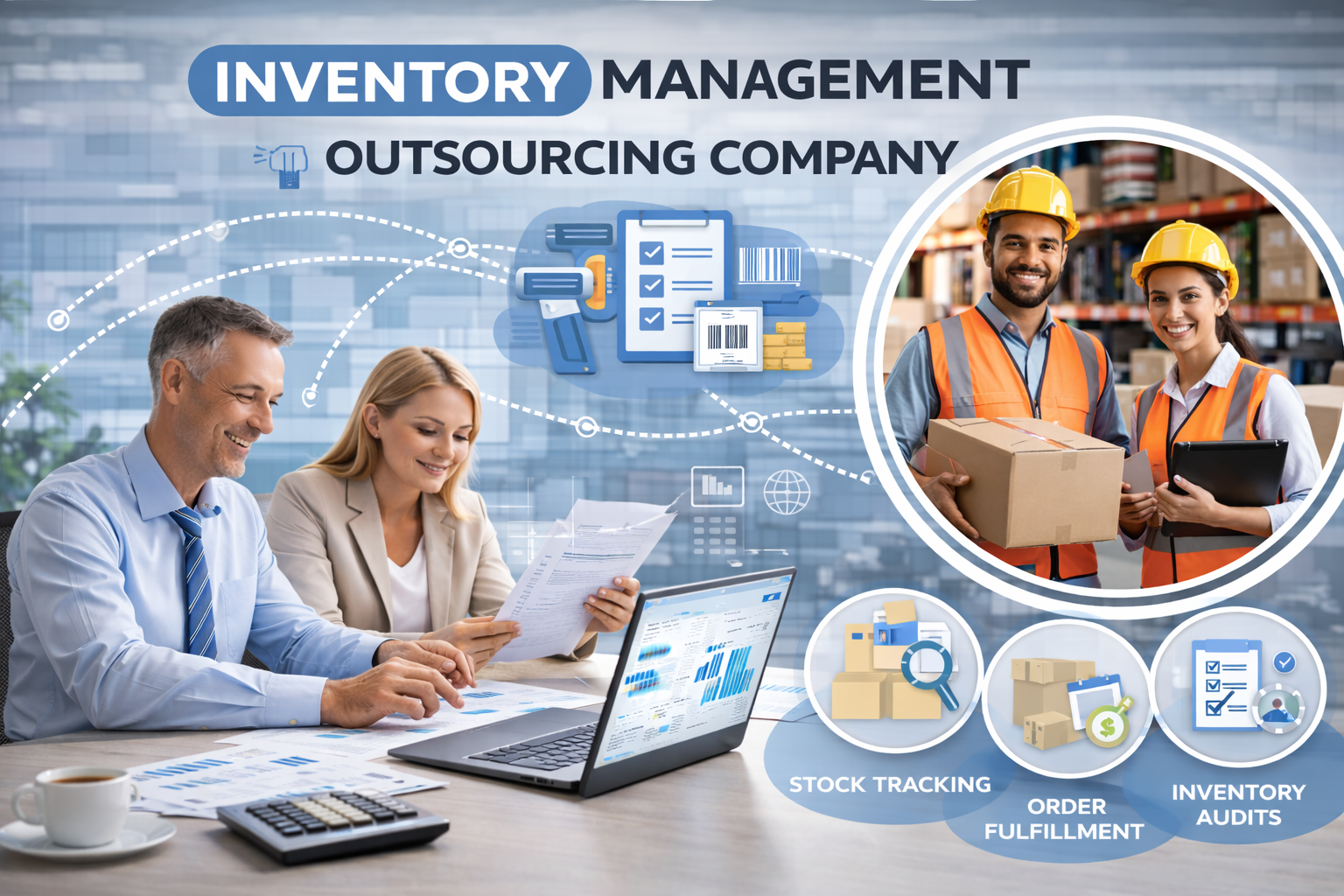
It ensures:
- Accurate stock records
- Complete documentation
- Clear audit trails
- Compliance with accounting standards
Why Audit-Ready Inventory Reporting Is Critical
1. Financial Accuracy
Inventory directly impacts COGS (Cost of Goods Sold) and profitability.
2. Regulatory Compliance
Businesses must meet accounting and audit standards.
3. Risk Reduction
Proper reporting minimizes audit risks and penalties.
4. Business Transparency
Clear reports improve stakeholder confidence.
Step-by-Step Process to Prepare Audit-Ready Inventory Reports
1. Real-Time Data Collection
Everything begins with capturing accurate data.
Sources include:
- ERP systems
- Warehouse systems
- POS and eCommerce platforms
Goal:
Ensure all inventory transactions are recorded in real time.
2. Data Validation and Cleaning
Raw data is checked before reporting.
Teams:
- Identify missing entries
- Detect inconsistencies
- Correct errors
Outcome:
Clean, structured, and reliable data.
3. Standardized Inventory Structuring
Consistency is key.
Includes:
- SKU standardization
- Product categorization
- Location tagging
Benefit:
Easy tracking and audit clarity.
4. Inventory Reconciliation
Accuracy is verified regularly.
Process:
- Compare system stock with physical inventory
- Identify discrepancies
- Adjust records
Result:
Accurate inventory balances.
5. Inventory Valuation Methods
Proper valuation is critical for financial reporting.
Common methods:
- FIFO (First-In, First-Out)
- LIFO (Last-In, First-Out)
- Weighted Average Cost
Outcome:
Correct financial representation of inventory.
6. Detailed Documentation Management
Audits require proof.
Documents maintained:
- Purchase orders
- Sales invoices
- Stock transfer records
- Adjustment logs
Benefit:
Every number is supported with evidence.
7. Audit Trail Creation
Transparency is non-negotiable.
Systems track:
- Who made changes
- What changes were made
- When changes occurred
Result:
Full traceability for auditors.
8. Multi-Level Review System
Quality checks reduce risk.
Levels include:
- Initial preparation
- Supervisor review
- Final quality assurance
Outcome:
Error-free reporting.
9. Automated Report Generation
Technology speeds up reporting.
Reports generated:
- Inventory summary
- Stock movement reports
- Aging inventory reports
- Variance reports
Benefit:
Quick and accurate reporting.
10. Secure Storage and Easy Access
Reports must be accessible yet secure.
Systems ensure:
- Cloud-based storage
- Controlled access
- Quick retrieval during audits
Real-World Example
A wholesale distributor faced repeated audit challenges.
Issues:
- Missing records
- Stock discrepancies
- Delayed reporting
Solution:
They partnered with an outsourcing company.
Improvements made:
- Real-time inventory tracking
- Automated reporting systems
- Structured documentation
Results:
- 75% faster audit completion
- Reduced discrepancies
- Improved compliance
Common Mistakes That Impact Audit Readiness
1. Incomplete Records
Missing transactions create gaps.
2. Irregular Reconciliation
Leads to long-term discrepancies.
3. Poor Documentation
No supporting evidence for data.
4. Lack of Standardization
Inconsistent processes confuse audits.
Best Practices for Audit-Ready Inventory
1. Maintain Real-Time Data
Avoid delays in updates.
2. Standardize Processes
Use SOPs for consistency.
3. Automate Reporting
Reduce manual errors.
4. Perform Regular Audits
Ensure continuous accuracy.
5. Monitor Key Metrics
Track:
- Inventory accuracy
- Variance rates
- Reporting timelines
Role of Technology in Audit Readiness
Technology makes the entire process seamless.
Tools include:
- ERP systems
- Inventory management software
- Automation platforms
Benefits:
- Faster processing
- Better accuracy
- Improved traceability
AI and the Future of Audit-Ready Reporting (2026)
AI is redefining inventory audits.
Capabilities include:
- Automated validation
- Real-time discrepancy detection
- Predictive audit readiness
Result:
Always audit-ready systems.
Turning Audit Readiness into a Business Advantage
Businesses that maintain audit-ready reports gain a strong competitive edge.
By working with a structured
👉 inventory management outsourcing company
they can:
- Improve compliance
- Reduce audit risks
- Increase operational transparency
- Build stakeholder trust
Final Thoughts
Audit-ready inventory reporting is no longer optional—it’s a strategic requirement.
Outsourcing companies achieve this through structured workflows, automation, and continuous validation systems.
If your business wants to eliminate audit stress and improve reporting efficiency, the solution is clear:
Build systems that keep you audit-ready every single day—not just during audits.
FAQ
What makes an inventory report audit-ready?
Accurate data, complete documentation, and clear audit trails.
How do outsourcing companies ensure audit readiness?
Through real-time tracking, validation, and structured reporting processes.
Why is audit-ready inventory important?
It ensures compliance, reduces risks, and improves financial accuracy.