


Online Therapy Canada: Accessible Mental Health Care Nationwide
You can access licensed Canadian therapists from home, match with clinicians who use evidence-based approaches, and choose video, phone, or text sessions that fit your schedule and privacy needs. Online therapy Canada lets you get professional mental-health care without travel, often through platforms that accept insurance or offer sliding-scale fees.
If you’re weighing options, this article breaks down how online therapy works in Canada, how to find a licensed provider, and what to expect during virtual sessions so you can pick the right fit. Keep reading to learn practical steps for accessing secure, effective care and how to evaluate platforms, costs, and therapist qualifications.
Understanding Online Therapy in Canada
You can access licensed mental health care from anywhere in Canada using video, phone, or secure messaging. The next parts cover what online therapy looks like, how it’s regulated, the kinds of counseling you can book, and practical benefits you’ll likely notice.
What Is Online Therapy?
Online therapy, also called teletherapy or virtual counselling, delivers mental health services through digital tools like encrypted video platforms, secure messaging, and phone calls. You meet with licensed clinicians—psychologists, psychotherapists, social workers, or counsellors—who offer scheduled sessions or asynchronous check-ins depending on the platform.
Expect similar clinical approaches as in-person care: assessment, treatment planning, evidence-based interventions (CBT, ACT, DBT, couples work, etc.), and progress reviews. Platforms often provide intake forms, privacy policies, and virtual consent so you can start care quickly without visiting an office.
Technical requirements are usually minimal: a smartphone, tablet, or computer with a camera and microphone, plus a reliable internet connection. Many providers offer initial free or low-cost consultations to check fit, and some accept provincial insurance plans or private insurance reimbursement.
Legal and Regulatory Landscape
Therapists must follow provincial regulations where they are licensed; standards vary across provinces and territories. You should confirm your therapist’s registration with the relevant regulatory college (for example, College of Psychologists or College of Registered Psychotherapists).
Cross-border practice is restricted: a clinician licensed in Ontario may not legally provide ongoing regulated psychotherapy to a client physically located in Quebec unless licensed there. Confidentiality, informed consent, and record-keeping still apply; ask how your therapist stores session notes and whether platforms use end-to-end encryption.
Coverage also differs: some provincial health plans cover specific services or populations, while most private insurers reimburse virtual therapy. Verify billing, cancellation, and emergency protocols before beginning care so you know how urgent matters will be handled.
Types of Counseling Available
You can access a wide range of modalities online: individual therapy, couples and family therapy, child and adolescent counselling, and group therapy. Therapists commonly use evidence-based therapies such as Cognitive Behavioral Therapy (CBT), Acceptance and Commitment Therapy (ACT), Dialectical Behavior Therapy (DBT), Emotionally Focused Couples Therapy (EFT), and Gottman Method for relationships.
Specialized support is available for trauma, grief, addiction, perinatal mental health, immigrant and refugee stress, and workplace-related issues. Many platforms match you to clinicians based on issue, modality, language, and cultural competence. Some services offer brief solution-focused work, while others provide long-term psychotherapy; check session length, frequency, and therapist credentials before committing.
Benefits of Virtual Mental Health Support
Accessibility improves dramatically: you save travel time and can book evening or weekend appointments that fit work and caregiving schedules. Virtual care increases choice—you can search for therapists by specialty, approach, language, and cultural background across provinces.
Privacy can be greater when you choose a private space at home rather than a shared waiting room. Many platforms use secure, HIPAA/PIPEDA-aligned technology and let you receive care anonymously or under a chosen name when appropriate. Cost can be lower than in-person private practice rates, and some services accept insurance or offer sliding-scale fees.
Continuity is easier if you relocate within Canada or need temporary remote care while traveling domestically; just confirm licensure rules with your provider.
Accessing Online Therapy Services
You can find licensed Canadian therapists, compare costs and insurance options, evaluate platform features, and verify privacy safeguards before booking. Focus on therapist credentials, transparent fees, platform security, and compatibility with your schedule and communication preferences.
Finding Licensed Canadian Therapists
Search provincial regulatory college registries (e.g., Ontario College of Social Workers, BC College of Psychologists) to confirm a therapist’s registration number and scope of practice. Look for credentials such as RP, RSW, RPsych, or CRPO listing and note any specializations like CBT, DBT, trauma-focused therapy, or couples work.
Use reputable platforms that list therapists’ province, licensure, languages, and treatment approaches. Filter by availability (evenings/weekends), therapy format (video, phone, chat), and population served (youth, adults, couples). Read therapist profiles and client reviews but prioritize verified qualifications over ratings.
Ask about cross-provincial practice rules if you or the therapist reside in different provinces. Confirm the therapist’s emergency plan and their experience with your presenting issue before scheduling a first session.
Cost and Insurance Coverage
Expect session rates in Canada to range widely: many therapists charge CAD 100–200+ per hour, while some platforms offer sliding scales or subscription models. Check whether the platform posts fees upfront or requires contacting a therapist for pricing.
Review your extended health benefits or employer plan for coverage of registered psychologists, social workers, or counsellors; different plans cover different provider types. Keep receipts with the therapist’s name, license number, and date of service for reimbursement claims.
If cost is a barrier, search for low-cost community services, university clinics, or platforms offering reduced-fee options. Confirm billing methods (credit card, e-transfer, HSA) and cancellation/no-show policies to avoid unexpected charges.
Choosing the Right Platform
Compare platforms on three concrete factors: therapist vetting (licensure checks), session modes (video/phone/text), and scheduling flexibility. Prefer platforms that let you filter by province, language, specialty, and availability.
Check whether the platform offers a free consultation, therapist-matching service, or the ability to switch providers easily. Note pricing structure: per-session fees, weekly/monthly subscriptions, or pay-per-message plans. Look for clear refund and cancellation policies.
Evaluate additional features: secure messaging, progress tracking, homework assignments, and integrated resources. Choose the platform that matches your communication preference, budget, and need for specialty services like trauma therapy or couples counseling.
Privacy and Security Considerations
Confirm the platform uses end-to-end encryption or TLS for live sessions and stored data. Look for explicit statements about data residency (whether client data is stored in Canada) and policies on sharing information with third parties.
Read the platform’s privacy policy to learn what personal information they collect, online therapist for anxiety how long they retain records, and how they handle subpoenas or legal requests. Ensure therapists follow provincial privacy laws (e.g., PHIPA in Ontario, PIPA in BC) and obtain your informed consent for electronic delivery of services.
Ask the therapist how they secure notes, whether sessions are recorded, and what steps they take for secure payment processing. If you have specific confidentiality concerns (workplace, immigration), discuss limits to confidentiality before your first session.
Κατηγορίες
Διαβάζω περισσότερα
" According to the latest report published by Data Bridge Market Research, the Risk Based Authentication RBA Market The global risk based authentication RBA market size was valued at USD 6.56 billion in 2025 and is expected to reach USD 20.36 billion by 2033, at a CAGR of15.20% during the forecast period The winning Risk Based Authentication RBA Market...

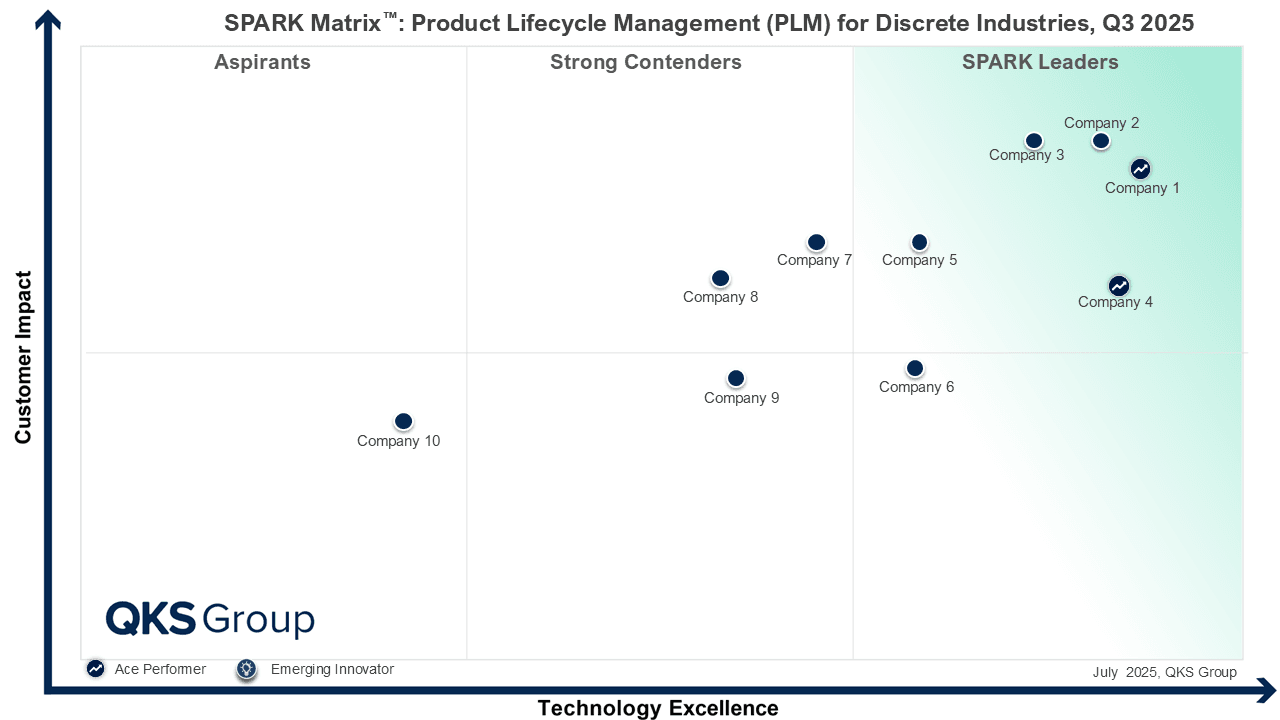
Introduction: Why PLM Matters More Than Ever Discrete manufacturers are under unprecedented pressure to innovate faster, scale globally, and meet tightening regulatory and sustainability requirements. In this environment, Product Lifecycle Management for Discrete Industries is no longer just an engineering backbone—it is becoming the foundation of the digital thread that connects product...
Weight loss is one of the most common health goals for people around the world. Many individuals want to feel lighter, more energetic, and healthier, but the journey often feels confusing because of the huge amount of information available online. Some advice promotes extreme diets, while others promise quick results. However, real and lasting weight loss is not about shortcuts—it is...

Hyperspectral Remote Sensing Market, valued at US$ 180 million in 2024, is projected to reach US$ 239 million by 2032, growing at a compound annual growth rate (CAGR) of 4.2%. This steady expansion is detailed in a comprehensive new report published by Semiconductor Insight, highlighting the technology's critical role in precision agriculture, environmental monitoring, defense, and mineral...
Machine Learning Neurology Analytics: Transforming Brain Health Through Data Intelligence Machine learning neurology analytics is rapidly redefining how neurological disorders are diagnosed, monitored, and treated. By leveraging advanced algorithms capable of learning from vast and complex datasets, healthcare providers are unlocking deeper insights into brain function, disease progression, and...