


Dental Implants Market Growth Fueled by Aesthetic Dentistry Demand
Oral Implants: Advancing Modern Dentistry and Strengthening the Dental Implants Market
Oral implants, commonly referred to as dental implants, represent one of the most advanced and effective solutions for replacing missing teeth in modern dentistry. These implants function as artificial tooth roots, providing a stable foundation for crowns, bridges, or dentures. As demand for long-lasting, natural-looking dental restorations increases globally, oral implants are becoming a key driver of growth in the Dental Implants Market.
According to industry insights from Polaris Market Research, the Dental Implants Market is expanding steadily due to rising cases of tooth loss, increasing geriatric population, and advancements in dental implant technology. Growing awareness of oral health and cosmetic dentistry is also significantly contributing to market expansion.
Understanding Oral Implants
Oral implants are typically made from biocompatible materials such as titanium or zirconia. They are surgically inserted into the jawbone to replace missing tooth roots. Over time, they integrate with the bone through a natural healing process known as osseointegration, creating a strong and durable foundation for artificial teeth.
A complete oral implant system consists of three main components:
- Implant fixture (screw): inserted into the jawbone
- Abutment: connector between implant and crown
- Crown or prosthesis: visible artificial tooth
This structure ensures that oral implants closely mimic the function, strength, and appearance of natural teeth.
Dental Implant Procedure Explained
The dental implant procedure is a carefully planned, multi-step surgical process designed to ensure long-term success and stability. It typically involves the following stages:
- Initial Consultation and Planning
The process begins with a detailed oral examination, including X-rays or 3D imaging to evaluate bone density and overall oral health. The dentist determines whether the patient is a suitable candidate for implants and creates a personalized treatment plan. - Tooth Extraction (if required)
If a damaged tooth is still present, it may need to be removed before implant placement. In some cases, implants can be placed immediately after extraction depending on bone condition. - Implant Placement Surgery
During this stage, a titanium implant is surgically inserted into the jawbone. A small incision is made in the gum to access the bone, and the implant is carefully positioned. The area is then stitched to allow healing. - Healing and Osseointegration
After placement, the implant undergoes osseointegration, where it fuses with the surrounding bone. This process can take several months and is critical for ensuring stability and durability. - Abutment Placement
Once healing is complete, a small connector (abutment) is attached to the implant. This serves as the base for the final crown. - Crown Restoration
Finally, a custom-made crown is placed on the abutment, restoring full function and aesthetics to the missing tooth area.
This structured dental implant procedure ensures high success rates and long-term performance, making oral implants a preferred choice over traditional dentures and bridges.
Role of Oral Implants in the Dental Implants Market
Oral implants are the foundation of the Dental Implants Market, as they offer a permanent and reliable solution for tooth replacement. Unlike removable dentures, implants are fixed in place and provide superior stability, comfort, and chewing efficiency.
They also help preserve jawbone structure by stimulating bone growth, preventing bone resorption that typically occurs after tooth loss. This biological advantage makes oral implants a long-term oral health solution rather than just a cosmetic fix.
Key Growth Drivers
Several factors are driving the growth of oral implants and the Dental Implants Market:
- Rising Tooth Loss Cases
Tooth loss caused by aging, gum disease, and injuries is increasing globally, creating strong demand for permanent replacement solutions. - Growing Demand for Aesthetic Dentistry
Patients today prioritize appearance and confidence. Oral implants offer a natural look that closely resembles real teeth, boosting their popularity. - Advancements in Dental Technology
Technologies such as 3D imaging, computer-guided surgery, and CAD/CAM systems have significantly improved the precision and success rate of the dental implant procedure. - Increasing Geriatric Population
Older adults are more prone to tooth loss, making them a major consumer base for implant-based dental solutions.
Benefits of Oral Implants
Oral implants offer several advantages compared to traditional dental treatments:
- Natural appearance and improved smile aesthetics
- Enhanced chewing and speech ability
- Long-lasting durability (often decades)
- Prevention of bone loss in the jaw
- No need for adhesives or removal
These benefits have made oral implants the gold standard in tooth replacement therapy.
Discover the Complete Report Here:
https://www.polarismarketresearch.com/industry-analysis/global-dental-implants-market
List of Key Companies
- Bicon, LLC
- BioHorizons IPH, Inc.
- Coral Implant Systems
- Danaher Corporation
- Dentsply Sirona Inc.
- Hiossen Implant
- Implant Direct Sybron International
- Litamax Dental
- Megagen Implant Co., Ltd.
- Nobel Biocare Services AG
- Osstem Implant Co., Ltd.
- Southern Implants
- Straumann Holding AG
- Sweden & Martina S.p.A.
- Zimmer Biomet Holdings, Inc.
Technological Innovations in Implant Dentistry
Modern dentistry has significantly improved the dental implant procedure through advanced technologies. Digital scanning and 3D imaging allow precise planning of implant placement, while minimally invasive surgical techniques reduce pain and recovery time.
Additionally, improved implant materials such as titanium alloys and zirconia enhance biocompatibility and long-term success. AI-assisted planning tools are also emerging, enabling personalized treatment strategies for better outcomes.
Regional Outlook
North America dominates the Dental Implants Market, supported by advanced healthcare infrastructure, high awareness of oral health, and strong adoption of cosmetic dentistry.
Europe follows closely due to favorable reimbursement policies and a growing elderly population. Meanwhile, the Asia-Pacific region is expected to witness the fastest growth due to rising dental tourism, increasing healthcare spending, and expanding awareness of oral hygiene.
Challenges in Oral Implant Adoption
Despite their advantages, oral implants face certain challenges:
- High cost of treatment
- Long healing period required for osseointegration
- Need for surgical expertise
- Risk of complications in rare cases
These factors may limit adoption in price-sensitive regions.
Conclusion
Oral implants have revolutionized modern dentistry by offering a durable, functional, and aesthetically superior solution for missing teeth. The well-established dental implant procedure ensures high success rates and long-term oral health benefits.
As technological advancements continue and awareness of dental care increases, oral implants will remain a key driver of growth in the Dental Implants Market, shaping the future of restorative dentistry worldwide.
More Trending Latest Reports By Polaris Market Research:
Protein Purification And Isolation Market
Bone Grafts And Substitutes Market
Categorias
Leia mais
Falling in love with the latest romantic comedy on Netflix, audiences are captivated by the charming story of 'People We Meet on Vacation.' Since its debut on January 9, the film has achieved impressive viewership, amassing over 40.5 million streams worldwide and reaching the top spot on the global top 10 English-language movies chart. Centered around the adventures of Poppy, a free-spirited...

Hair loss is a common issue that affects people of all ages, often leading to a decline in confidence and self-image. While many assume that treating hair loss requires a large budget, there are actually several cost-effective solutions available today. With advancements in technology and increased accessibility, Hair Loss Treatment in Islamabad now includes a variety of affordable...

"Herbal Beverages Market Summary: According to the latest report published by Data Bridge Market Research, the Herbal Beverages Market The global herbal beverages market size was valued at USD 1.11 billion in 2025 and is expected to reach USD 2.34 billion by 2033, at a CAGR of 9.80% during the forecast period A team involved in preparing this Herbal Beverages Market research report...

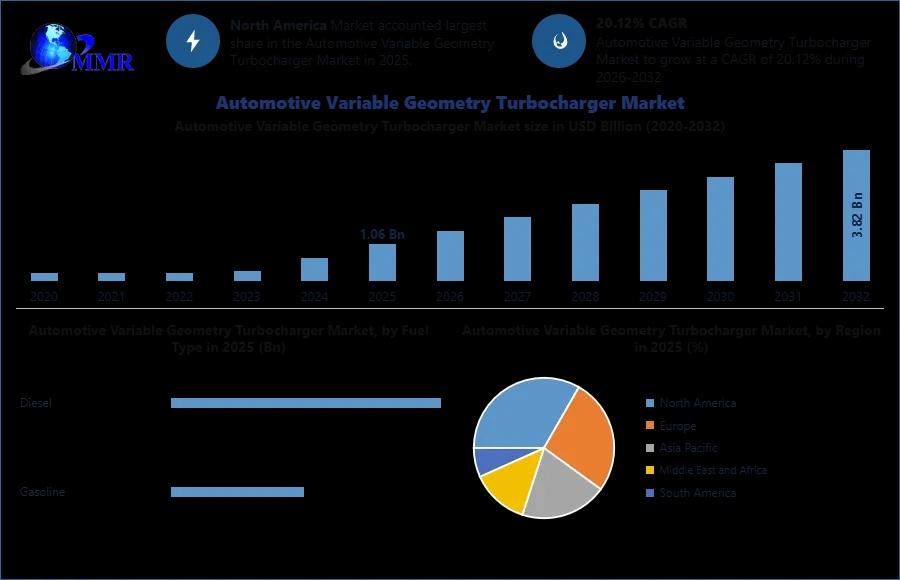
Anticipated Growth in Revenue: The Automotive Variable Geometry Turbocharger Market is anticipated to reach US$ 3.82 Bn by 2032 from US$ 1.06 Bn in 2025 at a CAGR of 20.12% during a forecast period. Market Overview The Automotive Variable Geometry Turbocharger market is witnessing strong momentum as automakers focus on improving fuel efficiency, engine performance, and...
Polaris Market Research has published a brand-new report titled Industrial Air Compressor Market Share, Size, Trends, Industry Analysis Report, By Product Type (Positive Displacement, Dynamic Displacement); By End-Use; By Output Power; By Coolant Type (Air-Cooled, Water-Cooled); By Region; Segment Forecast, 2022 - 2030 that includes extensive information and analysis of the industry...