What Toxins Are Released After a Chiropractic Adjustment?
What Toxins Are Released After a Chiropractic Adjustment?
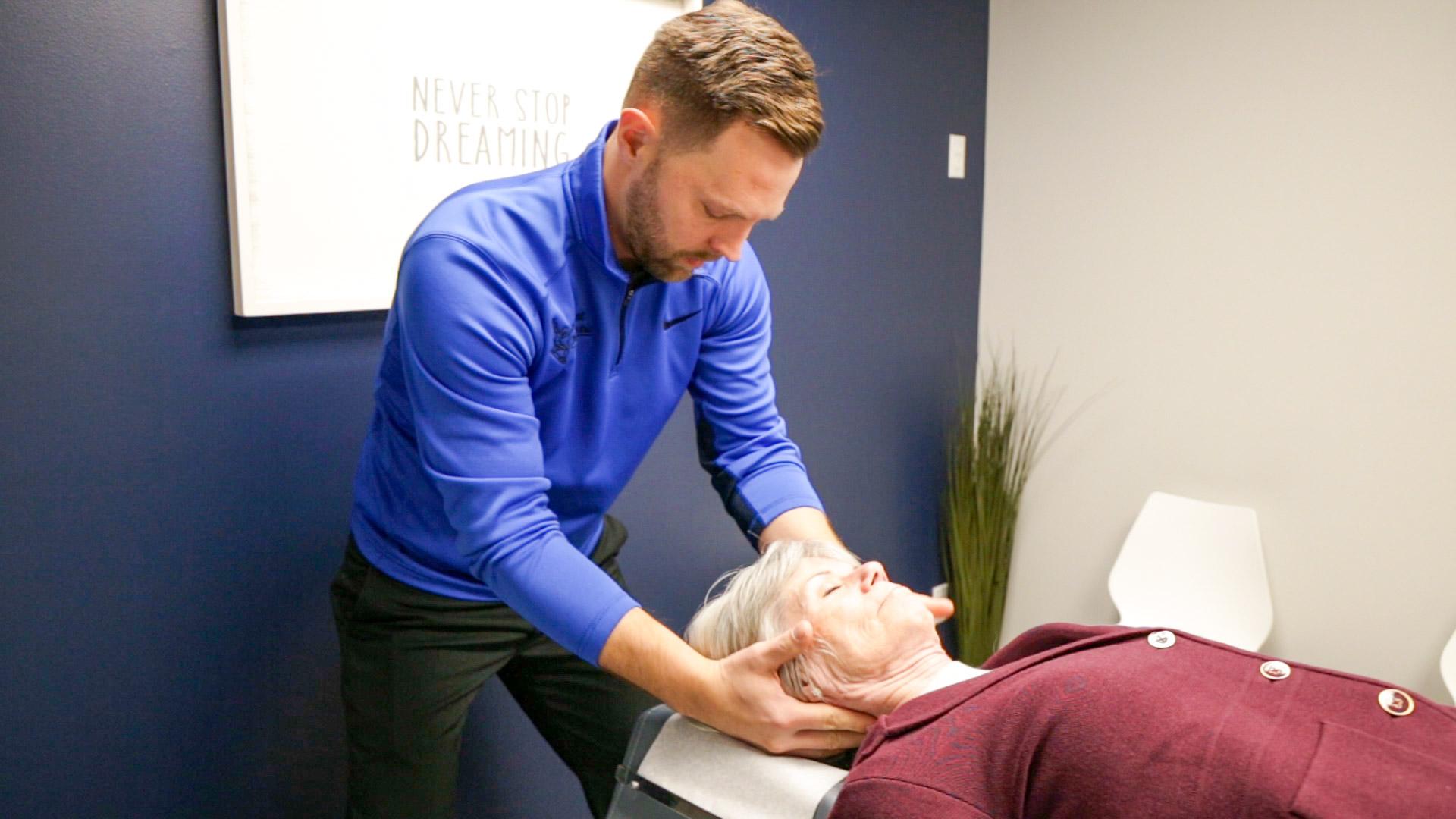
Many patients ask what toxins are released after a chiropractic adjustment, often assuming chiropractic care works as a detox method. From a clinical perspective, chiropractic adjustments do not directly release toxins in the traditional sense. Instead, they improve spinal alignment and support better nervous system communication, which may indirectly assist the body’s natural detoxification processes.
The body already has highly effective systems—primarily the liver, kidneys, and lymphatic system—that continuously remove metabolic waste. Chiropractic care may enhance circulation and nerve function, helping these systems operate more efficiently. Because of this, some patients notice temporary physical changes after treatment.
Symptoms After a Chiropractic Adjustment
Knowing what to expect after an adjustment helps set realistic expectations. Some people experience mild, short-term reactions as the body adapts to improved alignment.
Common responses include:
- Mild muscle soreness
- Temporary fatigue
- Increased urination
- Light headaches
- Subtle digestive changes
These effects are usually short-lived and part of the body’s natural recalibration process. Recovery time varies depending on overall health, the severity of the condition, and treatment frequency.
However, persistent discomfort, sharp pain, or neurological symptoms should always be evaluated by a healthcare professional.
Feeling “High” After a Chiropractic Adjustment
Some patients report feeling unusually relaxed or euphoric after an adjustment. This sensation is typically linked to natural neurochemical changes.
Chiropractic care can encourage the release of endorphins—chemicals that reduce pain and promote well-being. Improved blood flow and reduced nerve irritation may also contribute to a calm, relaxed feeling. This response is generally harmless and often seen as a positive sign that the body is responding well to treatment.
Large Bowel Movement After an Adjustment
Another commonly discussed experience is increased bowel activity following chiropractic care. This can occur because spinal nerves are closely connected to the digestive system.
When nerve communication improves, the autonomic nervous system—which regulates digestion—may function more efficiently. This can lead to better bowel regularity or increased activity, particularly in individuals who previously experienced sluggish digestion.
“Toxic Release” Symptoms Explained
The phrase “toxic release” is often used to describe temporary discomfort after chiropractic care. While not a scientific term, it reflects how the body adjusts to improved circulation and nervous system efficiency.
Some people report:
- Fatigue
- Mild flu-like sensations
- Headaches
- Increased thirst
These symptoms are typically mild and temporary. Rather than indicating toxins leaving the body, they are better understood as the body adapting to improved function.
When to Seek Medical Advice
Most post-adjustment reactions are harmless, but certain symptoms require medical attention. Seek guidance if you experience:
- Severe or worsening pain
- Persistent dizziness
- Numbness or tingling
- Significant neurological changes
These symptoms are rarely related to “toxin release” and may indicate underlying issues that need evaluation.
FAQs
What symptoms are commonly reported after an adjustment?
Mild fatigue, soreness, and temporary digestive or urinary changes are common and usually resolve quickly.
Can chiropractic care release stored trauma?
Chiropractic treatment focuses on physical alignment and nervous system function. Emotional responses may occur due to relaxation, but it does not directly release stored trauma.
What is a healing crisis?
A healing crisis refers to short-term discomfort as the body adapts to improved function. It is typically mild and temporary.
Why do I urinate more after an adjustment?
Improved circulation and nervous system regulation may support fluid balance, leading to increased urination.
Final Thoughts
Understanding what happens after a chiropractic adjustment helps clear up common misconceptions. Rather than releasing toxins, chiropractic care supports spinal health, enhances nervous system efficiency, and promotes overall wellness.
Temporary post-adjustment symptoms are usually mild and reflect the body adapting to improved function. With proper guidance and realistic expectations, patients can confidently include chiropractic care as part of a balanced wellness routine.
Categorieën
Read More
Weight loss has become one of the biggest health priorities in recent years. With increasing lifestyle issues, unhealthy eating habits, and lack of physical activity, many people are searching for safe and effective solutions to burn fat and boost metabolism. Among the many supplements available, Burn Peak has gained attention for its natural approach to weight management. The current...

Perkembangan platform hiburan online membuat banyak pemain semakin selektif dalam memilih situs yang nyaman dan mudah digunakan. Salah satu nama yang mulai banyak dikenal adalah WopSlot, sebuah portal akses modern yang menghadirkan pengalaman bermain slot online dengan sistem lebih cepat dan stabil. Dengan dukungan teknologi terbaru serta koleksi permainan yang lengkap, WopSlot berhasil menarik...

The global Handheld Portable Projectors Market, valued at a robust US$ 1.23 billion in 2024, is on a trajectory of significant expansion, projected to reach US$ 2.67 billion by 2032. This growth, representing a compound annual growth rate (CAGR) of 9.2%, is detailed in a comprehensive new report published by Semiconductor Insight. The study highlights the critical role these ultra-portable...
PTW Shift Handover: The Silent Link That Keeps Industrial Safety Intact...
Experience non-stop IPL action using Kheloyar App Cricket Zone. Enjoy the most up-to-date matches, a smooth experience and safe login. You can also watch real-time cricket games. Cricket enthusiasts always search for platforms that provide rapid action, smooth performance and constant IPL excitement. Khelo yaar has been a popular choice among cricket fans who like watching exciting matches....