CRM Automation That Drives Real Sales Growth
-
Introduction
Customer Relationship Management (CRM) systems are designed to organise and centralise customer data but with the right automation, they become far more than just databases. CRM automation transforms these systems into powerful revenue-generating engines by replacing manual tracking with intelligent workflows that streamline communication, nurture leads, and accelerate the sales process.
In today’s competitive landscape, personalisation is at the heart of customer experience. It shapes how people perceive, engage with, and stay loyal to a brand. As businesses continue their digital transformation journey, CRM automation plays a critical role in delivering tailored, timely interactions at scale making personalised engagement not just possible, but essential for driving real sales growth.
How Automation is Transforming Sales Processes
One of the most significant ways automation is transforming sales processes is by eliminating repetitive, time-consuming tasks. CRM automation tools streamline activities like lead nurturing, ensuring prospects receive timely and consistent follow-ups without manual effort. Automated email workflows, reminders, and task management reduce delays and minimise the risk of missed opportunities.
By adopting an automated sales process, teams can shift their focus from routine administrative work to high-value interactions that truly impact revenue. This not only improves overall productivity but also shortens sales cycles and accelerates deal closures, making the entire sales function more efficient and results-driven.
How Data-Driven Insights Improve Decision-Making
Modern CRM platforms equip businesses with powerful analytics that reveal deep insights into customer behaviour, purchase patterns, and engagement levels. By leveraging these data-driven capabilities, organisations can identify high-value leads and refine their strategies to target the right audience more effectively.
With predictive insights, businesses can prioritise the most promising opportunities and personalise communication based on customer preferences. This enables smarter, faster decision-making that not only enhances sales performance but also creates more meaningful and impactful customer interactions.
Conclusion
Implementing CRM automation empowers businesses to operate more efficiently, build stronger customer relationships, and achieve consistent revenue growth. By reducing manual effort and optimising workflows, organisations can boost productivity while improving overall sales performance.
With a well-defined strategy and the right CRM automation tools, businesses can transform their sales processes into scalable, data-driven systems that support long-term growth and success.
Categories
Read More
Maintaining healthy skin requires more than a simple cleansing routine. Every day, the skin is exposed to pollution, harmful UV rays, dust, and other environmental factors that gradually reduce its natural glow. These external influences can lead to clogged pores, dehydration, uneven skin tone, and premature signs of aging. While skincare products play an important role in daily...

Visit Our Website - https://sharmacosmoclinic.com/ Contact us - 9810622372 Introduction: Say Goodbye to Uneven Skin Tone Dark spots are some of the most common skin conditions that plague everyone regardless of age. They occur due to various reasons such as acne, excessive exposure to sunlight, hormones or injury on the skin. The problem with them is that while they are quite common, their...

Effektverstärkung nach EX-Angriff Die W-Engine Zenless Zone Zero Reverb Mark I verstärkt nach einem EX-Spezialangriff acht Sekunden lang die Truppenleistung. Sie steigert den Effekt des Teams um zehn Prozent und eignet sich besonders für Agenten mit betäubenden Fähigkeiten. Dadurch werden sowohl der verursachte Schaden als auch die Kontrolle im Kampf verbessert. Der...
The Retail Sourcing and Procurement is witnessing significant growth as retailers across the globe increasingly focus on cost optimization, supplier collaboration, inventory efficiency, and digital procurement transformation. According to market analysis, the global retail sourcing and procurement market size is projected to reach US$ 31.79 billion by 2034 from US$ 8.43 billion in...
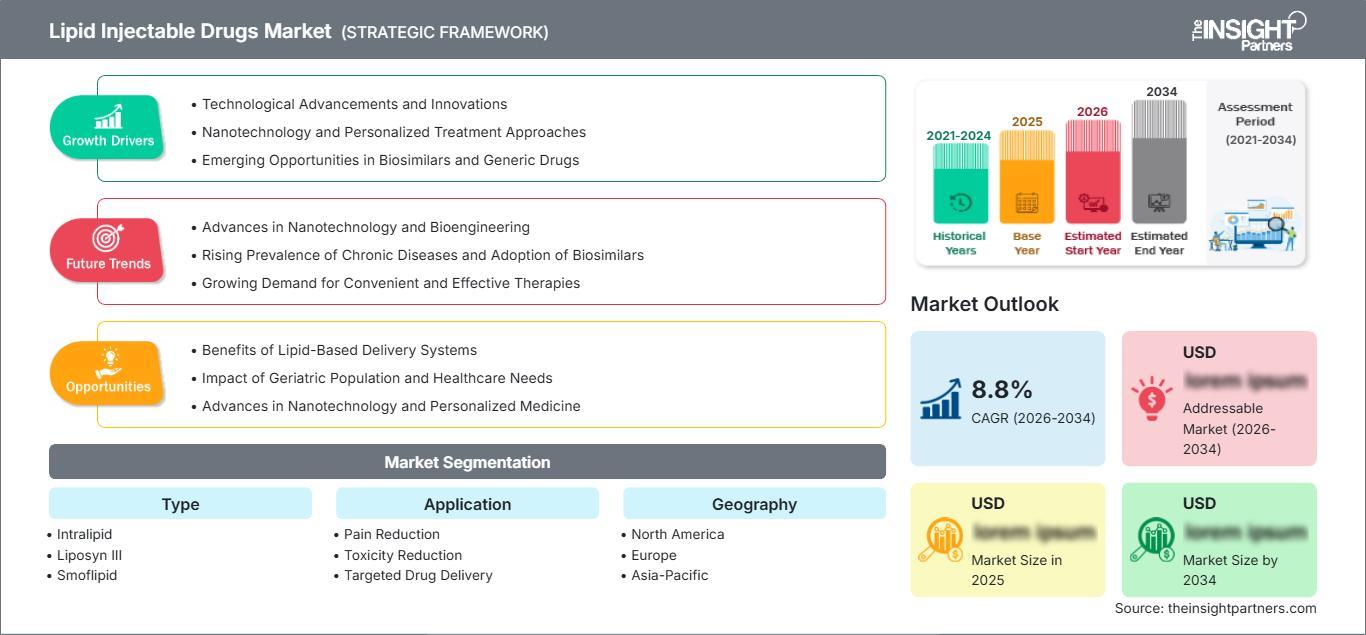
The global lipid injectable drugs market is gaining strong momentum as healthcare systems increasingly rely on advanced drug delivery technologies to improve treatment outcomes and patient safety. Lipid-based formulations such as liposomes, lipid nanoparticles, and emulsions are becoming essential across oncology, parenteral nutrition, anesthesia, and targeted therapies. Rising investments in...