


ROI is not just a value, it is a tool for sales and vendor management
ROI is not just a value, it is a tool for sales and vendor management
You know what is usually missing in most of the sales pitches and vendor proposals? It is the one key statement the buyer would love to hear: how it will increase revenue. The proposals may include strategies like automation that help reduce costs, save time, and lower risk. But it does not answer questions like how much, for whom, by when, based on what assumptions, and how will it be measured. This situation is created because of two reasons: many proposals focus more on product features because they are easier to describe, standardize, and defend than outcomes. Another reason is that measuring ROI is not always simple, especially when benefits depend on future adoption, internal execution, or indirect improvements such as better efficiency or customer experience.
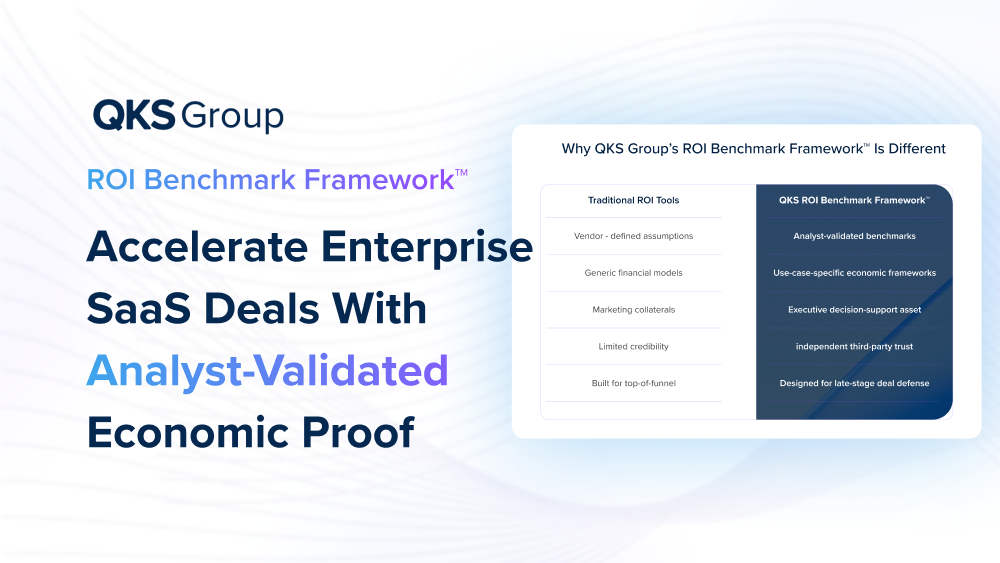
Despite these issues, QKS ROI Benchmark Framework™
This helps companies compare vendors more fairly, justify spending, track performance after purchase, and decide whether to renew, expand, renegotiate, or replace a vendor. In simple terms, ROI makes vendor management more business-focused, not just procurement-focused.
How do you select vendors?
Businesses usually evaluate vendor proposals by looking at more than just price. They compare how well each proposal meets their business needs, solves the problem, and supports their goals. They review factors such as total cost, expected ROI, product fit, service quality, implementation plan, support, security, compliance, vendor reputation, and risk. They also check whether the vendor’s claims are clear, realistic, and backed by evidence such as case studies, timelines, or performance commitments. In simple terms, businesses evaluate vendor proposals by asking which vendor offers the best overall value, not just the lowest cost. Whichever method you use, do you use ROI calculators, such as the one offered by the QKS Group? The calculators help answer the question of whether procurement is generating enough savings, efficiency, risk reduction, or supplier value compared with what the business spends on it. A high procurement ROI indicates that the company is getting strong value from its purchasing activities compared with the money spent. In simple terms, it means procurement is helping the business save costs, improve efficiency, reduce risk, or secure better supplier outcomes in a way that more than justifies the investment. If the value created by procurement is higher than the money spent on it, the company is achieving high procurement ROI, which indicates that the company is getting strong value from its purchasing activities compared with the money spent. In simple terms, it means procurement is helping the business save costs, improve efficiency, reduce risk, or secure better supplier outcomes in a way that more than justifies the investment.
الأقسام
إقرأ المزيد
In modern manufacturing, where precision and consistency define success, the Differential Air Shaft by Cbbmachine emerges as an indispensable tool. Engineered to address the complexities of web handling, this component ensures that multiple rolls maintain uniform tension despite variations in core diameters or material properties. Its smart design enables smooth synchronization of roll speeds,...

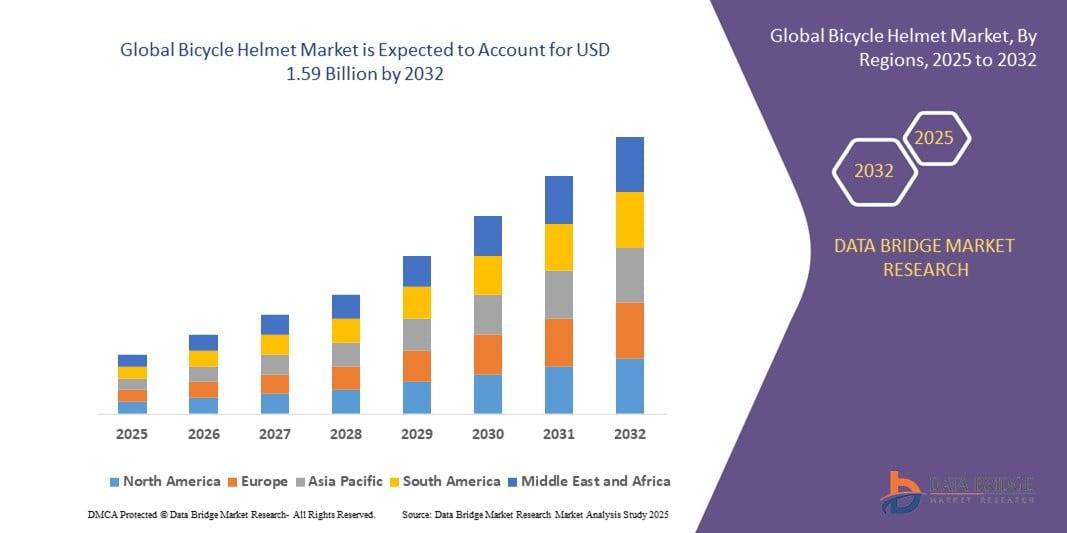
Bicycle Helmet Market: According to the latest report published by Data Bridge Market Research, the Bicycle Helmet Market The global bicycle helmet market size was valued at USD 1.06 billion in 2024 and is expected to reach USD 1.59 billion by 2032, at a CAGR of 5.20% during the forecast period This Bicycle Helmet Market research report is a resource,...
Siesta Key is known for its powdery white quartz sand, turquoise Gulf waters, and breathtaking sunsets. But along with its charm comes growing tourist crowds, especially around major resorts. What if you could enjoy the same luxury—without the noise, fees, or crowds? That’s exactly where siesta key beach chair rentals play vital role. These services offer personalized, resort-style...

if you’re looking for a trusted Medicine Courier from India to Australia, Oddway International is the name that keeps coming up. We offer dependable medicine courier from India to Australia services for patients, hospitals, clinics, and pharmacies in Sydney, Melbourne, Brisbane, Perth, Adelaide and also other Australian cities. Our experienced team makes sure the packing...

The Global Voltage Stabilizer System Market is witnessing substantial growth, driven by the increasing need for reliable power quality, the rising sensitivity of modern electronic equipment to voltage fluctuations, and the expanding industrialization in emerging economies. Voltage stabilizers are essential electrical devices designed to automatically maintain a constant voltage level,...
