


Technographic Data Explained: A Complete Guide for B2B Teams

In today’s data driven marketing environment, understanding how companies use technology has become essential for targeting the right prospects. By analyzing technology usage across organizations, B2B Teams can gain deeper insights into potential customers and build more effective marketing strategies.
Technographic data refers to information about the software, tools, and digital platforms used by businesses. This type of B2B data helps organizations understand the technology environment of potential clients. When marketing and sales teams know what technologies a company uses, they can tailor their messaging and position their solutions more effectively.
What Technographic Data Means for B2B Marketing
Technographic data explained for B2B teams starts with understanding how technology influences purchasing decisions. Organizations depend on a wide range of software platforms to manage marketing, operations, communication, and analytics. These tools often shape how companies evaluate new products or services.
For example, a business using a specific CRM platform may prefer solutions that integrate easily with that system. Recognizing these patterns allows marketers to highlight compatibility and efficiency when presenting their solutions.
Using technographic data for B2B marketing also helps companies identify organizations that already rely on related technologies. These businesses may be more open to adopting complementary tools because they understand the value of similar solutions.
Benefits of Technographic Data for B2B Teams
The benefits of technographic data for B2B teams extend beyond basic targeting. Technology insights help organizations understand the digital maturity of potential customers and identify opportunities for more relevant outreach.
Some companies operate with modern technology stacks and advanced digital tools. Others rely on outdated systems that limit efficiency and scalability. By understanding these differences, marketers can adjust their messaging to address the specific needs of each organization.
Technographic insights also support personalization. Instead of delivering generic communication, B2B teams can create messaging that reflects the technology environment of each target company. This increases the relevance of campaigns and improves engagement with potential buyers.
How B2B Teams Use Technographic Data
B2B teams often combine technographic data with other types of business intelligence to strengthen their marketing efforts. This information works best when integrated with firmographic and intent data.
Firmographic data describes company characteristics such as industry, company size, and revenue. Intent data reveals signals that show when organizations are actively researching solutions in a particular category.
When these insights are combined with technographic information, businesses gain a complete understanding of their target audience. This allows marketing teams to identify companies that match their ideal customer profile and show interest in relevant technologies.
Technographic Data and Account Based Marketing
Technographic insights are particularly valuable in b2b account based marketing strategies. Account based marketing focuses on engaging specific high value organizations with personalized campaigns.
By understanding the technology stack of a target company, marketers can design campaigns that speak directly to the organization’s needs. For example, if a company uses certain marketing automation tools, a solution that integrates with those systems becomes easier to position.
This level of personalization improves communication with decision makers and increases the chances of successful engagement.
Turning Technology Insights into Marketing Success
Technographic data plays a powerful role in helping B2B teams refine their marketing strategies. By understanding which technologies companies use, businesses can develop more relevant messaging and target prospects more effectively.
Organizations that leverage B2B technology data insights gain a deeper understanding of their market. This enables marketing teams to focus on companies that are most likely to benefit from their solutions.
In a competitive B2B landscape, data driven insights are essential. When B2B teams use technographic data effectively, they can improve targeting, strengthen account based marketing efforts, and build stronger relationships with potential customers.
Categories
Read More
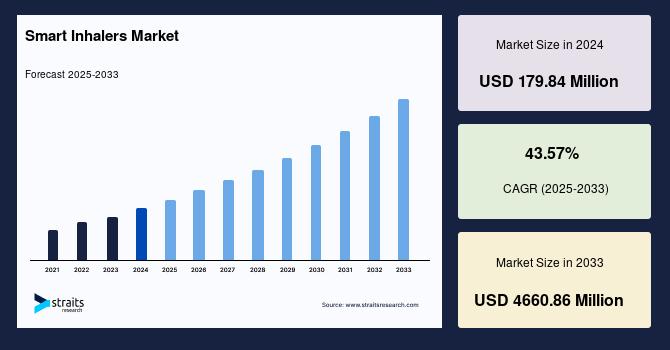
Smart Inhalers Industry Insights: Straits Research recently introduced the latest update on the Smart Inhalers Market that provides an extensive outlook of the market, analyzing key growth opportunities, challenges, risk factors, and emerging trends across diverse geographic regions. The report offers a definitive and meticulous analysis of the Smart Inhalers industry size,...
The Canned Motor Pumps Market: Sealing the Future of Safe and Efficient Industrial Fluid Handling A comprehensive analysis of the global canned motor pumps industry exploring market size, technology fundamentals, key growth drivers, end-use applications, and regional dynamics shaping this indispensable segment of the industrial equipment sector through 2034. In the vast ecosystem of industrial...

Polaris Market Research has introduced a new market research report entitled B2B Digital Payment Market Share, Size, Trends, Industry Analysis Report, By Offering (Solution, Services); By Transaction Type; By Payment Mode; By Industry Vertical; By Region; Segment Forecast, 2023- 2032, which acts as a reliable resource for analyzing historic and forecast measures, development structure, and...

Live betting has become one of the most exciting ways to engage with sports—especially cricket, football, and tennis—where every ball, goal, and point can change the odds in seconds. Fairplaypro gives users two ways to place live bets: the mobile app and the website. Both platforms offer complete access to live markets, cashouts, and odds updates, but the...

Market Overview The slip additives market is projected to grow at a promising CAGR of 5.1% through 2028. Insights into the slip additives market forecast suggest sustained momentum driven by packaging innovations and regulatory alignment. Emerging economies are expected to play a critical role due to expanding industrial bases and rising disposable incomes. Strategic focus on product...
