


Finding Your Place Without the Labels: A Real Talk on Secular Humanism and Unitarian Churches
There’s this quiet shift happening. Not loud. Not dramatic. Just people slowly stepping away from rigid belief systems and asking something simple: what actually makes sense to me?
That’s where the idea of a secular humanist life starts creeping in. And weirdly enough, it often leads people toward spaces like Unitarian Churches—places that don’t demand blind belief but still offer something humans clearly need: connection.

What Does “Secular Humanist” Even Mean?
A secular humanist isn’t some cold, hyper-logical robot. It just means you care about people, ethics, and living a good life—without relying on supernatural ideas.
That’s it. No mystery.
You believe:
-
Humans can solve problems
-
Morality comes from empathy and experience
-
Science and reason matter
-
Life has meaning because we give it meaning
It’s actually pretty grounded. Some would say… refreshing.
And yeah, it can feel freeing at first. But also a bit lonely.
Because when you step away from traditional belief systems, you don’t just lose doctrine—you often lose community too.
The Unexpected Role of Unitarian Churches
Here’s the part people don’t expect.
Unitarian Churches aren’t what most folks picture when they hear “church.” No pressure to believe anything specific. No forced doctrine. No awkward attempts to convert you.
Instead, they’re more like:
-
Community hubs
-
Thoughtful discussion spaces
-
Places where doubt isn’t a problem
For a secular humanist, that can feel like finding oxygen again.
You get people. Conversations. Shared values. Without pretending to believe something you don’t.
And honestly, that balance is rare.
Why Secular Humanists Still Need Community
Let’s not sugarcoat it—humans aren’t built to go solo forever.
You can be independent, rational, self-sufficient… and still feel the gap.
A secular humanist life gives you freedom, sure. But it doesn’t automatically give you:
-
A place to talk through life’s messy questions
-
A support system when things fall apart
-
A sense of belonging
That’s where Unitarian Churches quietly step in.
They don’t replace your thinking. They support it.
It’s Not About Belief—It’s About Values
What makes these spaces click for secular-minded people is simple: shared values.
Not shared beliefs. That’s a big difference.
In many Unitarian Churches, you’ll find people who care about:
-
Social justice
-
Equality
-
Personal growth
-
Compassion
-
Honest conversations
No one’s checking what you believe. They care more about how you show up in the world.
That’s something a secular humanist can stand behind without feeling fake.
The Real Experience (Not the Brochure Version)
Let’s be real for a second.
Walking into any new community can feel awkward. Unitarian spaces aren’t magically perfect.
Sometimes:
-
The conversations get a little too intellectual
-
The vibe feels unfamiliar at first
-
You might wonder if you actually belong
That’s normal.
But give it time. These communities tend to open up in layers, not all at once.
And once you find your rhythm, it feels… easy. Natural.
Like you don’t have to filter yourself anymore.
Breaking the “Church” Stereotype
The word “church” throws people off. Fair enough.
If you’re a secular humanist, you might hear it and think:
“Yeah, not for me.”
But Unitarian Churches don’t operate like traditional systems.
There’s no single belief structure you have to accept. Instead, you’ll hear ideas from:
-
Philosophy
-
Science
-
Literature
-
Real-life experiences
It’s more about exploring meaning than defining it for you.
And that’s a big shift.
Why More People Are Quietly Moving This Way
This isn’t some big trend with headlines. It’s quieter than that.
People are just… rethinking things.
They want:
-
Freedom to question
-
Space to grow
-
Community without pressure
The secular humanist mindset fits that shift perfectly. And Unitarian Churches offer a place to actually live it out—not just think about it alone.
It’s not about rejecting everything. It’s about choosing what still makes sense.
You Don’t Have to Have It All Figured Out
This part matters.
A lot of people hesitate because they think they need clarity before stepping into a space like this.
You don’t.
You can:
-
Be unsure
-
Change your mind
-
Disagree with people
-
Still belong
That’s kind of the whole point.
A secular humanist approach isn’t about certainty. It’s about honest exploration.
And the right community won’t rush you through that.
So… Is This Worth Trying?
Short answer? Yeah. Probably.
If you’ve been feeling disconnected—mentally or socially—it might be worth stepping into a space that doesn’t demand belief but still offers connection.
Not everything has to be all-or-nothing.
You can:
-
Think independently
-
Live authentically
-
Still be part of something
That middle ground? It exists.
And it’s more human than people expect.

FAQs
1. Can a secular humanist really fit into Unitarian Churches?
Yes, easily. These spaces are built for people with different perspectives. You won’t be asked to believe anything you don’t agree with.
2. Are Unitarian Churches still “religious”?
Not in the traditional sense. They’re more about shared values and community than strict beliefs or doctrines.
3. What happens in a typical gathering?
It varies. You might hear talks, discussions, music, or reflections based on real-life topics—ethics, society, personal growth. It’s not preachy.
4. Do I have to commit or join officially?
No. You can just show up, observe, and see how it feels. No pressure to commit right away.
Categorías
Read More
The car modification market forecast is signaling robust expansion as vehicle enthusiasts and aftermarket service providers unlock new possibilities in personalization, performance upgrades, and aesthetic enhancements. As per MRFR analysis, this market is navigating exciting terrain fueled by rising disposable incomes, a growing global car enthusiast community, and widespread...

Surgical Robots Market: Overview, Growth Drivers, Segments & Key Companies The Surgical Robots Market continues to take center stage in modern healthcare as precision, minimally invasive surgery, and automation reshape operating rooms globally. Between 2025 and 2033, the industry is set for extraordinary expansion, supported by rising surgical volume, aging populations, and...

The global pet cooling mats market was valued at USD 30.4 million in 2024 and is projected to reach USD 84.6 million by 2035, driven by increasing pet ownership and growing awareness regarding pet comfort and heat-related health issues. The market is expected to expand at a CAGR of 9.9% from 2025 to 2035, supported by rising demand for innovative pet care products and the growing trend of...

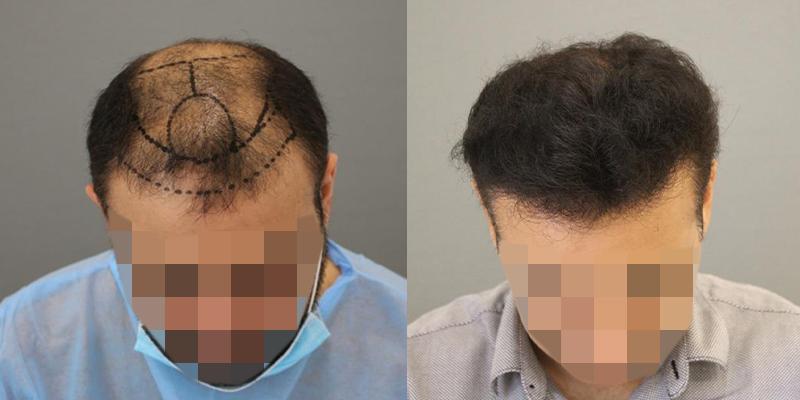
تعتبر مشكلة تساقط الشعر والصلع من أكثر التحديات التي تؤثر على الثقة بالنفس لدى الرجال والنساء على حد سواء. ومع التطور الهائل في التقنيات الطبية، أصبحت عمليات زراعة الشعر في الرياض هي الحل الأمثل والنهائي لاستعادة كثافة الشعر والمظهر الشبابي. لم تعد هذه العمليات مجرد إجراء تجميلي عابر، بل أصبحت استثماراً في الذات يمنح الشخص نتائج طبيعية تدوم مدى الحياة، خاصة مع توفر أفضل الكفاءات الطبية والمراكز...
" According to the latest report published by Data Bridge Market Research, the Automotive Anti-Lock Breaking System Market The global Automotive anti-Lock breaking system market size was valued at USD 54.10 billion in 2024 and is expected to reach USD 101.63 billion by 2032, at a CAGR of 8.2% during the forecast period An influential Automotive Anti-Lock...