


Why Skipping Teeth Retainers Can Ruin Your Smile Progress?
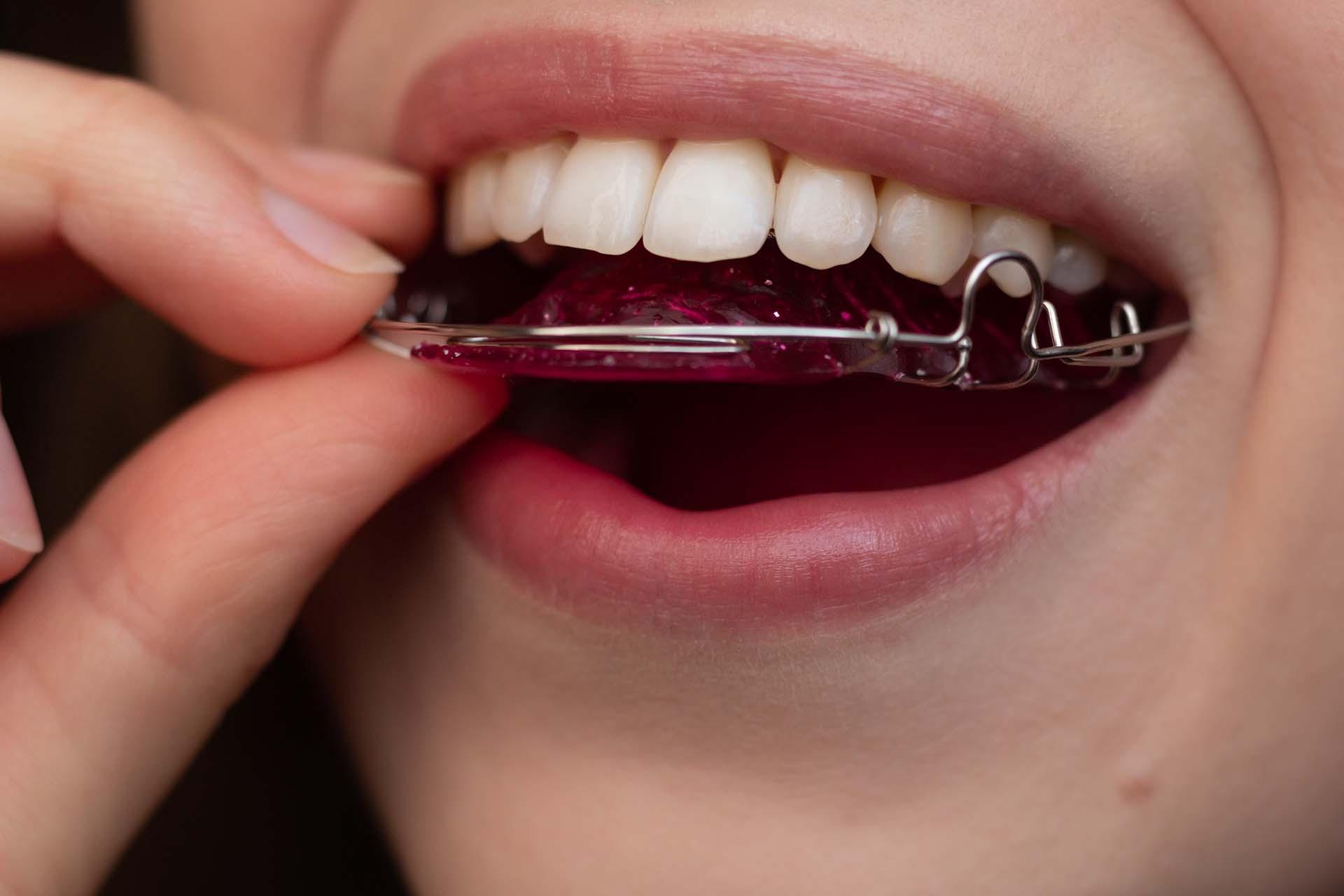
After months or even years of orthodontic treatment with braces or clear aligners such as Invisalign, most people expect their perfect smile to last forever. But what many don’t realize is that the biggest threat to that progress is not the treatment itself—it’s skipping teeth retainers.
Teeth naturally have a tendency to move throughout life due to bone remodeling, muscle pressure, and periodontal ligament memory. Teeth Retainers in Dubai are the only safeguard that keeps orthodontic results stable. When they are skipped, even for a short period, teeth can begin shifting back silently and quickly.
The Biology Behind Tooth Movement: Why Teeth Never Stay Fixed
To understand the damage caused by skipping retainers, it is important to understand how teeth behave naturally. Teeth are not rigidly fixed in bone—they are held by flexible periodontal ligaments that allow movement.
Even after orthodontic correction like Invisalign, these tissues remain active and responsive.
Natural forces that move teeth daily include:
- Continuous bone remodeling
- Pressure from chewing and biting
- Tongue and lip muscle forces
- Age-related jaw changes
Without a retainer holding them in place, teeth gradually drift back toward their original positions.
What Happens When You Skip Teeth Retainers (Even for a Few Days)?
Many people assume missing a night or two is harmless, but tooth movement begins faster than expected.
Short-term skipping effects:
- Mild tightness when reinserting retainers
- Slight pressure on front teeth
- Temporary discomfort or sensitivity
Medium-term skipping effects:
- Noticeable retainer tightness
- Early signs of crowding or spacing
- Subtle bite changes
After orthodontic treatments like Invisalign, even small interruptions in wear can trigger visible relapse within days or weeks.
How Skipping Retainers Gradually Ruins Smile Progress?
The real danger of skipping retainers is not immediate—it is cumulative. Each skipped day allows tiny movements that add up over time.
Step-by-step relapse process:
- Teeth begin shifting slightly out of alignment
- Retainer starts feeling tighter than usual
- Continued skipping increases misalignment
- Retainer no longer fits properly
- Full orthodontic relapse occurs
What was once a straight smile can slowly return to crowding, gaps, or bite issues.
Why Teeth Shift So Easily After Orthodontic Treatment?
Even after braces or aligners like Invisalign, teeth are still in a “settling phase.” The bone surrounding them is remodeling and not fully stabilized.
Key reasons for post-treatment shifting:
- Bone is still soft and adaptable
- Periodontal ligaments retain memory of old positions
- Bite forces are still adjusting
- Natural aging continues
This makes retainers essential, especially during the first year after treatment.
The Most Dangerous Habit: Occasional Skipping
One of the most harmful habits is not complete removal of retainers—but inconsistent use.
Common patterns that cause relapse:
- Wearing retainers only a few nights per week
- Skipping during travel or busy days
- Stopping use when teeth “feel fine”
- Forgetting to wear after late nights
After orthodontic treatments like Invisalign, inconsistency is one of the top causes of long-term treatment failure.
Signs That Skipping Retainers Is Already Affecting Your Smile:
Your mouth often gives early warning signs before major relapse happens.
Warning indicators include:
- Tight or painful retainer reinsertion
- Visible crowding in front teeth
- Small gaps reappearing
- Bite feeling “off”
- Retainer not fitting fully
These signs should never be ignored, as early intervention can still reverse minor movement.
Can Skipping Retainers Be Fixed?
Yes—but only if addressed quickly. If retainers still fit with slight tightness, consistent wear may guide teeth back into position.
However, if the retainer no longer fits properly, orthodontic treatment may be required again using braces or aligners like Invisalign.
Recovery depends on:
- How long retainers were skipped
- Degree of tooth movement
- Speed of resuming wear
- Age and bone flexibility
Early action significantly improves outcomes.
Psychological Trap: My Smile Looks Fine Without It
One of the most misleading beliefs is that if teeth look straight, retainers are no longer needed. Unfortunately, tooth movement is often invisible at first.
Why this belief is dangerous:
- Changes happen gradually
- Front teeth move first and subtly
- Bite changes are not always visible
- Relapse becomes noticeable too late
After orthodontic treatments like Invisalign, maintenance is a lifelong process, not a temporary phase.
How to Prevent Smile Damage from Skipping Retainers?
The best solution is building strong, consistent habits that make retainer use automatic.
Effective prevention strategies:
- Wear retainers every night without exception
- Keep a backup reminder routine
- Store retainers in a visible case
- Clean them immediately after use
- Avoid “breaks” from wear schedules
Consistency is the only real protection against relapse.
Long-Term Impact of Skipping Retainers:
Skipping Teeth Retainers doesn’t just affect appearance—it impacts oral health and function as well.
Long-term consequences include:
- Permanent tooth crowding
- Bite misalignment
- Uneven tooth wear
- Increased risk of gum issues
- Need for repeat orthodontic treatment
After orthodontic treatments like Invisalign, avoiding these outcomes depends entirely on retention discipline.
Why Retainers Are the Final Phase of Orthodontics?
Many patients think orthodontic treatment ends when braces come off or aligners finish, but in reality, retention is the final and longest phase.
Retainers:
- Lock in orthodontic results
- Prevent natural tooth movement
- Maintain long-term smile aesthetics
- Protect financial investment in treatment
Skipping them effectively reopens the door for teeth to move again.
Conclusion:
Teeth retainers are not optional—they are essential for preserving orthodontic results. Skipping them, even occasionally, allows natural biological forces to gradually undo months or years of treatment.
After orthodontic care such as Invisalign, retainers are the only barrier between a stable smile and relapse.
Ultimately, consistency is everything. The more regularly retainers are worn, the more securely your smile is protected. Skipping them may seem harmless in the moment, but over time, it can quietly and completely ruin your smile progress.
Categorie
Leggi tutto
"Regional Overview of Executive Summary Asia-Pacific Animation Market by Size and Share CAGR Value Data Bridge Market Research analyses that the animation market is expected to reach the value of USD 147,366.50 million by 2029, at a CAGR of 6.1% during the forecast period. With the superior Asia-Pacific Animation Market report, get knowledge about the industry which explains what...

Thunder Metal-Elektroschadensteiger Der Thunder Metal-Leitfaden in Zenless Zone Zero bietet eine wichtige Ausrüstung für Agenten mit dem Attribut „elektrisch“. Diese spezielle Drive-Disc erhöht den Elektro-Schaden, was zu einer verbesserten Leistung der Fähigkeiten und Angriffe führt. Durch den erhöhten Schaden treffen Angriffe präziser und mit...
Premere il tasto di attivazione e visualizzare il messaggio "Ohms Too Low" sul display può essere frustrante, ma è importante capire che questa notifica rappresenta la principale linea di difesa del tuo dispositivo. Questo avviso indica che il chip interno ha rilevato una resistenza elettrica inferiore alla soglia minima di sicurezza, solitamente impostata tra 0,05 e 0,1 Ohm....
According to the latest report published by Data Bridge Market Research, the Vascular Ultrasonography Market The global vascular ultrasonography market size was valued at USD 1.41 billion in 2025 and is expected to reach USD 2.19 billion by 2033, at a CAGR of 5.67% during the forecast period A number of aspects that are kept into view while creating an outstanding Vascular...
Follow Hitclub at TopHomeworkHelper for the Latest Updates and Online Entertainment Discover a New Way to Connect with Hitclub The online entertainment industry continues to evolve, giving users more opportunities to stay connected with their favorite platforms. One of the easiest ways to keep up with new updates is through trusted online communities and educational sharing...