From the Lab to the Pharmacy: How New Medicines Reach Us

Have you ever wondered about the journey a new medicine takes before it appears on a pharmacy shelf or in a doctor's office? It's a long and complicated road that involves brilliant scientists, brave volunteers, and careful planning. This process can be broken down into two major phases: first, proving the medicine is safe and that it works, and second, making sure the right people know it exists and how it can help them. Two specialized fields are essential to navigating this journey: one that guides the scientific testing and another that understands how to connect the final product with the patients who need it.
Guiding the Scientific Journey: The Role of Clinical Trial Consulting
Before any new drug can be approved, it must go through a series of rigorous tests called clinical trials. These are research studies involving human volunteers, designed to answer specific questions about a new treatment. Is it safe? What are the side effects? Does it work better than existing options? This process is incredibly complex, with strict rules and regulations set by government bodies like the Food and Drug Administration (FDA).
This is where expert guidance becomes crucial. A pharmaceutical company might have a promising new molecule, but running a successful clinical trial requires a specific set of skills. This is the world of clinical trial consulting. These consultants are like expert navigators for the difficult waters of medical research. They help drug developers:
* Design the Study: They assist in creating a solid plan for the trial. This includes determining how many patients are needed, what dosages should be tested, and what specific health outcomes should be measured to prove the drug is effective.
* Follow the Rules: They ensure every step of the trial adheres to strict ethical guidelines and government regulations. This is vital for protecting the safety of the participants and for ensuring the data collected is valid and can be trusted by regulators.
* Manage Operations: They help coordinate the many moving parts of a trial, which can span multiple hospitals and even multiple countries. This includes everything from recruiting patients to managing the vast amounts of data that are collected.
In short, these consultants provide the experience and oversight needed to run a smooth, ethical, and effective clinical trial. Their work is the foundation upon which the safety and success of a new medicine are built.
Understanding the Need: The Power of Pharma Marketing Analytics
Once a drug has successfully passed its clinical trials and received approval, the journey is only half over. Now, doctors and patients need to learn about it. However, modern healthcare is not about loud advertisements; it's about providing precise, helpful information to the right people at the right time. This is where the science of data comes into play.
Pharma marketing analytics is the field dedicated to using data to understand the healthcare landscape and communicate a new drug's value effectively. It’s not about salesmanship; it’s about insight. Analysts in this field dive into large, anonymized datasets to answer critical questions, such as:
* Who needs this medicine most? They identify which patient populations and geographical areas have the greatest need for the new treatment.
* How do doctors learn? They analyze how physicians get their information, whether through medical journals, conferences, or digital resources, to ensure educational materials are accessible.
* Is the medicine working in the real world? After a drug is launched, they track prescribing patterns to understand how it is being used and to ensure it is reaching the intended patients.
* What information is missing? They gather feedback to see if doctors or patients have unanswered questions about the drug’s benefits or side effects, helping the company provide better educational resources.
By using data, these professionals help ensure that a medical breakthrough in the lab becomes a practical solution for a real person. They bridge the gap between the approved drug and the patient who stands to benefit from it.
Why This Matters for Everyone
The combined efforts of these two fields are crucial for advancing public health. They ensure the entire process, from initial testing to final use by a patient, is handled with care and intelligence. Here’s a simple breakdown of why their work is so important:
1. Ensuring Patient Safety: Proper clinical trial management is the number one defense against unsafe or ineffective treatments reaching the public. It puts patient well-being at the forefront of medical innovation.
2. Speeding Up Access to Cures: An efficient, well-run clinical trial can get a life-saving drug to patients sooner. By avoiding delays and errors, good consulting helps shorten the time from discovery to approval.
3. Delivering the Right Information: Effective marketing analytics ensures that doctors have the clear, evidence-based information they need to make the best prescribing decisions for their patients.
4. Solving Unmet Medical Needs: By analyzing health data, companies can identify diseases or conditions where existing treatments are not enough. This can guide future research and development toward areas of greatest need.
5. Making Healthcare Smarter: The continuous feedback loop created by analytics helps the entire healthcare system learn. It provides insights into how treatments are used in the real world, leading to better guidelines and improved patient outcomes over time.
Ultimately, bringing a new medicine into the world is a partnership between rigorous science and thoughtful communication. From the careful guidance of clinical trials to the data-driven insights that inform doctors, every step is designed to turn a scientific possibility into a tangible health solution that can change lives for the better.
Categorie
Leggi tutto
Geniet optimaal van zonnige dagen met een stijlvolle en praktische Parasol voor jouw tuin, balkon of terras. Bij Tuinmeubelsale vind je een uitgebreid assortiment parasols in verschillende maten, kleuren en stijlen die zorgen voor comfortabele schaduw en een luxe uitstraling. Praktische Parasol met Voet voor Extra Stabiliteit Een stevige Parasol met voet biedt optimale stabiliteit en...

The global Cloud Migration Services Market is witnessing strong growth as organizations increasingly shift their IT infrastructure, applications, and data from on-premise environments to cloud-based platforms. Cloud migration has become a strategic priority for enterprises aiming to enhance agility, scalability, security, and cost efficiency. As digital transformation accelerates...

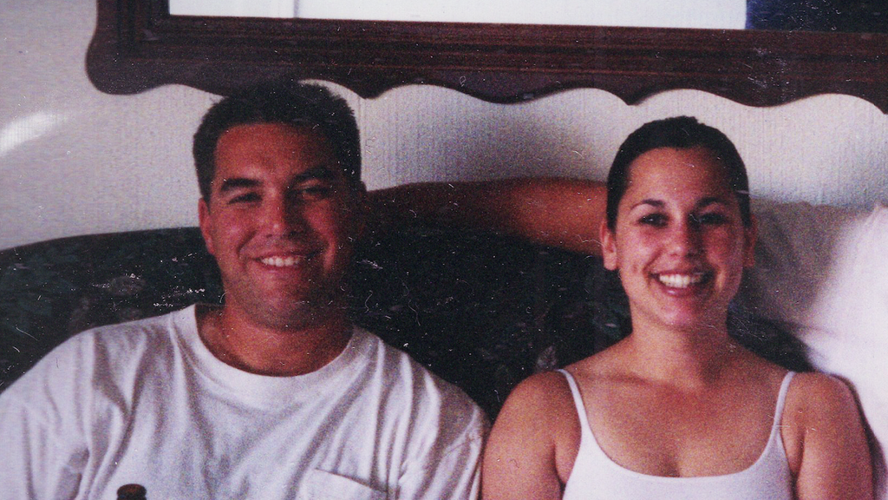
Peterson Case Overview Two decades after Scott Peterson's conviction for murdering his pregnant wife Laci, her mother breaks her silence. Sharon Rocha shares her raw grief in a groundbreaking documentary series, revealing personal insights long shielded from public view. The production dissects the investigation through interrogations and courtroom footage, detailing how Peterson concealed an...
Introduzione al mondo dei casinò online moderniNel 2026, i casinò online non AAMS stanno trasformando il modo in cui gli italiani vivono il gioco digitale. Offrono casino sicuri non AAMS esperienze più dinamiche, bonus competitivi e accesso a piattaforme globali. Questa evoluzione attira sia nuovi utenti sia giocatori esperti in cerca di maggiore libertà e...

Choosing a reliable shower drainage tiles supplier is essential when planning a bathroom renovation or new construction project. A good supplier ensures quality products that combine practical functionality with aesthetic appeal. Hasen-home, a leading name in the industry, offers an extensive range of shower drainage solutions tailored to various design preferences and installation...