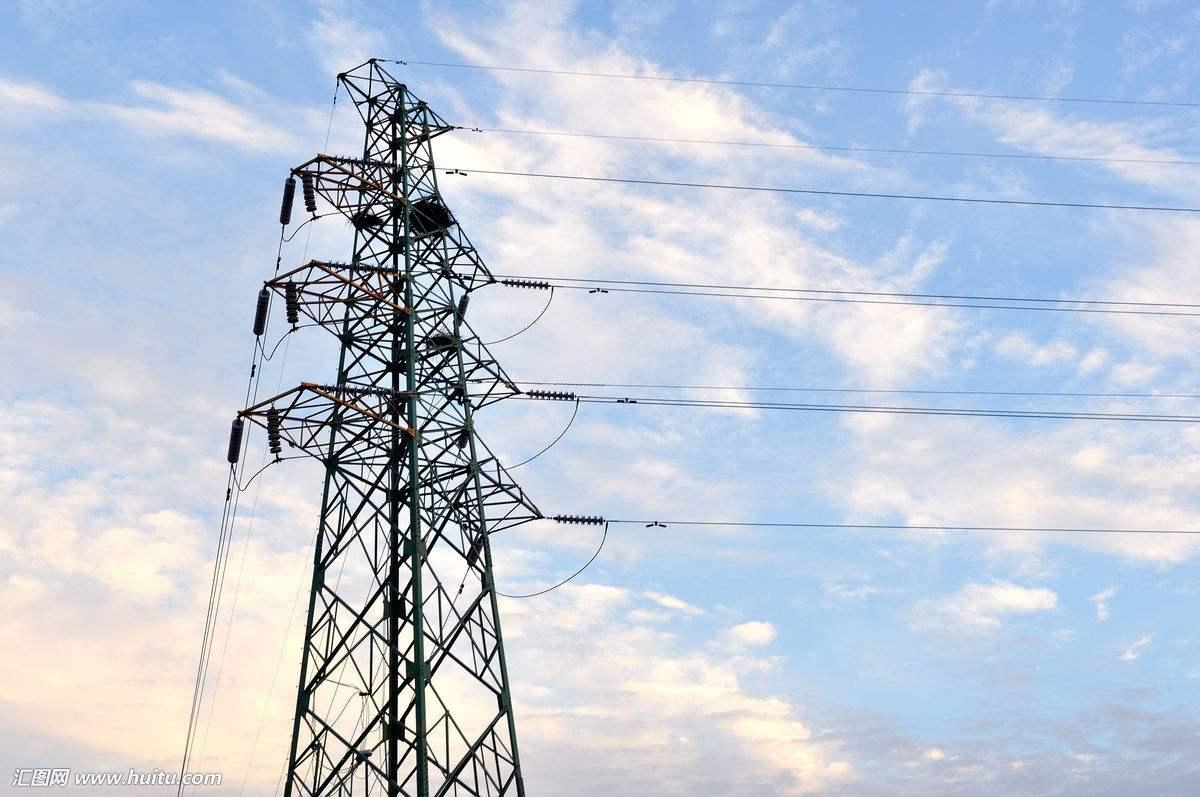
In today’s rapidly expanding power infrastructure, the demand for efficient, durable, and cost-effective transmission systems is higher than ever. Among the most widely used solutions in utility and distribution networks is the overhead cable, a critical component that ensures stable electricity delivery across cities, industrial zones, and rural electrification projects.
For utilities, EPC contractors, and procurement teams, selecting the right overhead cable is not just a technical decision it directly impacts system reliability, maintenance cost, and long-term operational performance. HNBF Power, a global manufacturer of overhead conductors and power cables, delivers engineered solutions designed to meet diverse grid requirements with precision and durability.
Understanding Overhead Cable in Power Distribution
An overhead cable is an electrical conductor installed above ground on poles or towers to transmit and distribute electricity. These cables are widely preferred in power networks due to their lower installation cost, easier maintenance, and ability to cover long distances efficiently.
Overhead cables are commonly used in:
- Utility transmission and distribution networks
- Rural electrification projects
- Industrial power supply systems
- Urban and suburban grid expansion
HNBF Power manufactures a complete range of overhead conductors including AAC (All Aluminium Conductor), AAAC (All Aluminium Alloy Conductor), and ACSR (Aluminium Conductor Steel Reinforced), ensuring suitability for different mechanical and electrical requirements.
Types of Overhead Conductors and Their Applications
Choosing the correct conductor type is essential for ensuring optimal performance. Each overhead cable type serves a specific engineering purpose.
AAC (All Aluminium Conductor)
AAC cables are composed of high-purity aluminium strands. They offer excellent conductivity and are ideal for urban distribution systems where spans are shorter and mechanical stress is relatively low.
Key benefits:
- High electrical conductivity
- Lightweight structure
- Corrosion resistance in urban environments
AAAC (All Aluminium Alloy Conductor)
AAAC cables are made from aluminium alloy, offering improved mechanical strength compared to AAC. They are widely used in coastal and high-corrosion environments.
Key benefits:
- Better strength-to-weight ratio
- Excellent corrosion resistance
- Reduced line losses
ACSR (Aluminium Conductor Steel Reinforced)
ACSR is the most commonly used overhead cable in transmission lines. It combines aluminium conductivity with a steel core for enhanced tensile strength.
Key benefits:
- High mechanical strength for long spans
- Suitable for high-voltage transmission
- Proven reliability in demanding environments
HNBF Power ensures each conductor is manufactured under strict quality control standards to support grid stability and long service life.
Why Overhead Cable is Still the Backbone of Power Networks
Despite advancements in underground cabling systems, overhead cables remain the preferred choice for many utilities due to several practical advantages:
1. Cost-Effective Installation
Overhead systems require significantly lower installation costs compared to underground alternatives, making them ideal for large-scale projects.
2. Easier Maintenance and Fault Detection
Faults in overhead cables can be quickly identified and repaired, reducing downtime and operational disruptions.
3. Scalability for Expanding Grids
Overhead lines are easier to extend, making them suitable for growing urban and rural electrification demands.
4. High Performance in Diverse Environments
With proper material selection, overhead cables perform reliably in extreme weather conditions, including high wind zones and coastal areas.
HNBF Power designs its conductor solutions with these advantages in mind, ensuring long-term value for utility operators.
Technical Considerations for Engineers and Procurement Teams
Selecting the right overhead cable requires careful evaluation of several technical factors:
Electrical Load Requirements
Understanding voltage levels and current-carrying capacity is essential for selecting AAC, AAAC, or ACSR conductors.
Environmental Conditions
Factors such as temperature variation, humidity, wind load, and corrosion risk directly influence conductor performance.
Mechanical Strength and Span Length
Long-span transmission lines require conductors with higher tensile strength, such as ACSR.
Lifecycle Cost Efficiency
Beyond initial pricing, procurement teams must consider maintenance costs, energy loss, and durability over time.
HNBF Power supports engineering teams with customized conductor solutions tailored to specific project requirements, ensuring optimized performance and cost efficiency.
HNBF Power: Engineering Excellence in Overhead Cable Manufacturing
As a global manufacturer, HNBF Power specializes in delivering high-quality overhead conductors designed for modern power systems. With advanced production capabilities and strict quality control processes, the company ensures every cable meets international performance standards.
Our product portfolio includes:
- AAC, AAAC, and ACSR conductors
- ABC (Aerial Bundled Cable) systems
- LV power cables
- Concentric cables for distribution networks
HNBF Power focuses on providing solutions that enhance grid stability, reduce transmission losses, and support long-term infrastructure development.
Applications Across Global Power Projects
HNBF Power overhead cables are widely used in:
- National grid transmission projects
- Urban power distribution upgrades
- Industrial plant electrification
- Renewable energy integration systems
- Rural electrification programs
Each application demands reliability, and our engineered conductor solutions are designed to meet these challenges efficiently.
FAQs About Overhead Cable
1. What is the main purpose of overhead cable in power systems?
Overhead cables are used to transmit and distribute electrical power across long distances efficiently and cost-effectively.
2. What is the difference between AAC, AAAC, and ACSR cables?
AAC offers high conductivity, AAAC provides better corrosion resistance and strength, while ACSR combines aluminium with steel for high tensile strength.
3. Where are overhead cables commonly used?
They are used in urban and rural distribution networks, transmission lines, industrial power systems, and infrastructure projects.
4. How do I choose the right overhead cable for my project?
Selection depends on voltage level, span length, environmental conditions, and mechanical strength requirements.
5. Does HNBF Power provide customized conductor solutions?
Yes, HNBF Power offers customized overhead cable solutions based on project specifications and engineering requirements.
Conclusion
Overhead cables remain a fundamental part of global power distribution systems, offering a balance of efficiency, affordability, and scalability. From AAC and AAAC to ACSR conductors, selecting the right solution is crucial for ensuring long-term grid performance and reliability.
With advanced manufacturing capabilities and a strong engineering focus, HNBF Power delivers overhead cable solutions that meet the evolving demands of modern energy infrastructure.
Contact HNBF Power today to discuss customized overhead cable solutions tailored to your project needs and technical requirements.