What Factors Should You Consider Before Hiring Product Prototyping Services?
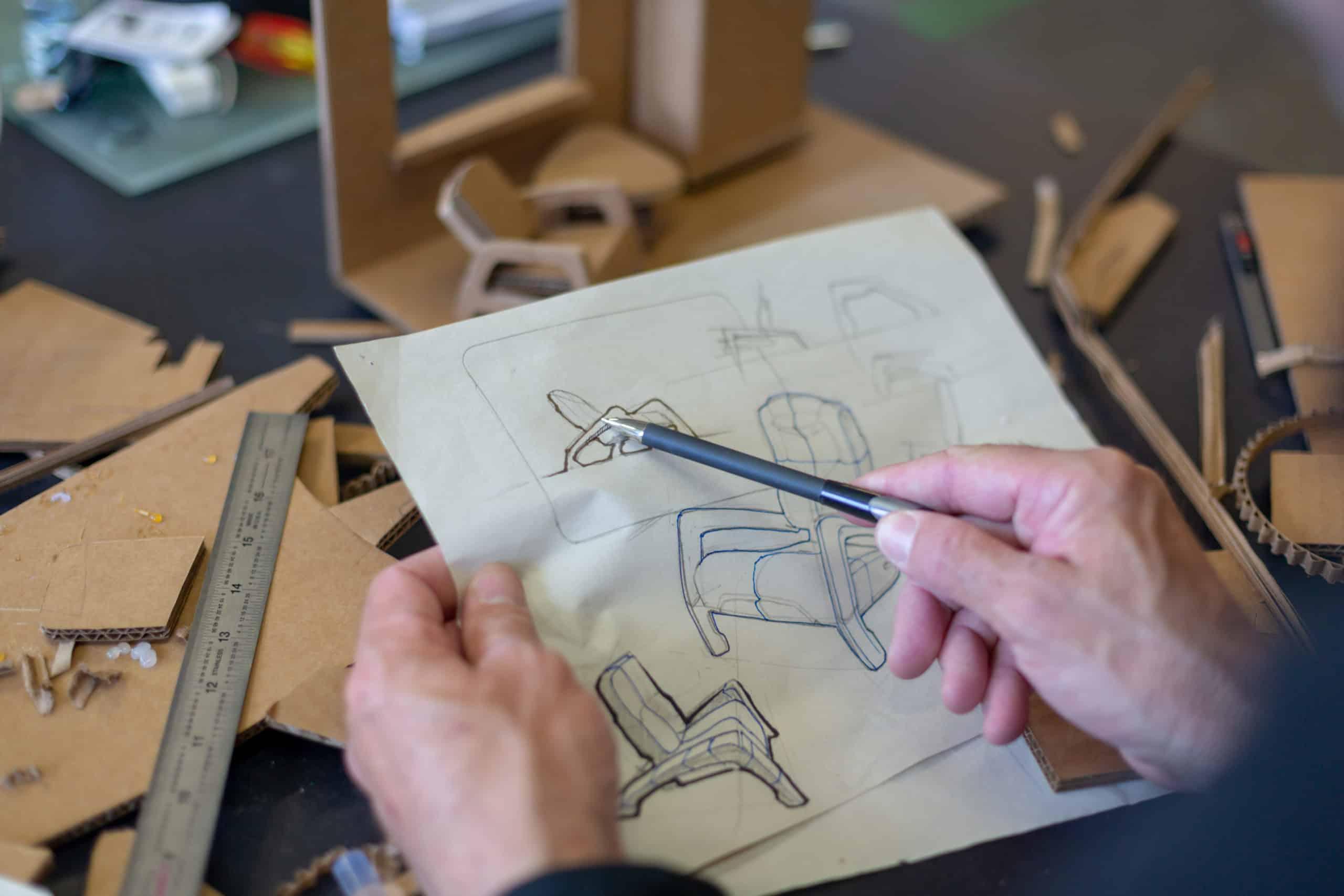
Product Prototyping Services sound like a no-brainer when you’ve got an idea sitting in your head, itching to become something real. But here’s the thing nobody tells you upfront — not all prototyping partners are created equal. Some will get your vision. Others will burn your time, budget, and patience without blinking.
I’ve seen founders rush into this step thinking it’s just about building a sample. It’s not. It’s about translating an idea into something tangible without messing up the foundation. That’s a big deal. So yeah, before you sign anything or send that first payment, there are a few things you really need to think through.
Let’s break it down properly.
Understanding What You Actually Need (Not What You Think You Need)
Most people who come to have discussions regarding the prototyping process arrive there with only a vague notion in mind. Such ideas would involve saying things like, “I’d like an app,” or “I’d like a physical product.” This simply won’t do; it is nowhere near sufficient.
It must be clearly defined whether you require a conceptual model, a functioning prototype, or perhaps an investment-worthy prototype. There is quite a difference between all three, and the entire process varies from one to the other, depending on your needs.
A good prototyping service will ask questions. A lot of them. If they don’t, that’s your first red flag. Because building the wrong thing really well… is still building the wrong thing.
Experience Matters More Than Fancy Portfolios
An elegant website may mislead you. Renders that look professional, screenshots of a user-friendly interface, and mockups? They look amazing, but the truth is you need practical knowledge of how to resolve an issue rather than just create a nice-looking website.
You should ask them about issues that occurred when working on previous projects. It is much more revealing than everything else they tell you. You should hire a company that has had experience of working under limitations, budget restrictions, failures, and so forth.
Designing and thinking are two completely different skills. You should opt for the latter.
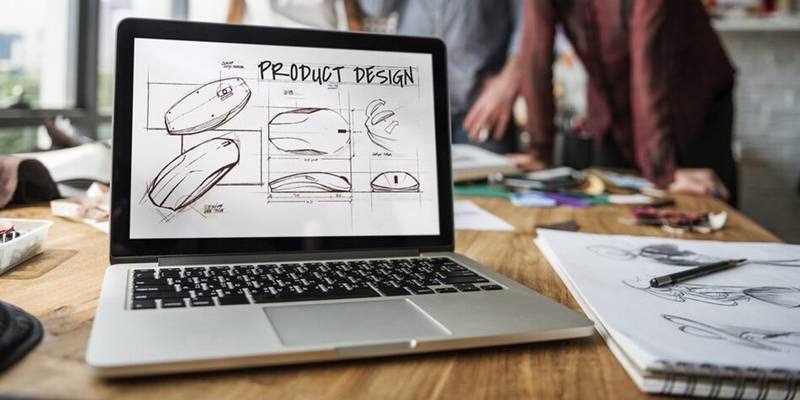
Communication Style Will Make or Break the Project
This one gets ignored way too often. You assume communication will just “work itself out.” It won’t.
While it takes them two days to respond now, just wait until there’s a crisis while you’re working on a project. The delays will pile up. Miscommunications will be costly. And your deadlines will start to slip for all the wrong reasons.
They don’t need to keep you updated every hour, but they do need to give you clear information. Clear-cut answers. Not any of that fancy language. If they can’t communicate simply, then they definitely don’t know what they’re talking about.
Budget Isn’t Just About Cost — It’s About Value
Let’s be honest. Budget matters. But chasing the cheapest option usually backfires.
Low-cost services often cut corners where it hurts the most — materials, testing, iteration. And prototyping is all about iteration. If you don’t test properly at this stage, you’ll pay for it later during manufacturing or launch. That’s where things get ugly.
Spend smart, not cheap. Ask what’s included. Revisions? Testing cycles? Support after delivery? These details matter more than the number on the invoice.
Technology and Tools They Use
It’s important to note that not everyone prototypes in the same way. While some teams are highly dependent on old-fashioned software and hardware, others are using modern prototyping methods such as rapid prototyping, 3D printing, and sophisticated simulations.
While you don’t have to be an expert right away, you should know what they’re doing and why. Just ask them what tools they are using and probe for answers.
It’s important because the tools are directly influencing the effectiveness of the process, its speed, precision, and how well the prototype approximates the end result.
Industry Knowledge Is a Huge Advantage
A prototyping team that understands your industry? That’s gold.
If you’re building a medical device, you don’t want someone who’s only worked on consumer gadgets. Same goes for software, manufacturing, wearables — each space has its own quirks, rules, and expectations.
They don’t need to know everything, but they should understand enough to guide you. Otherwise, you’ll spend half your time explaining basics instead of moving forward.
Turnaround Time vs Reality
Everyone is after speed. This is not wrong in any way. However, one needs to be wary of unrealistic promises.
When a person tells you they can produce a prototype of a product quickly, you should doubt their claims. Speed always means compromising on either quality or content. Prototypes that are produced in a rush always have critical faults that are overlooked.
It’s therefore prudent to settle for more realistic estimates.
Intellectual Property and Confidentiality
This section is not particularly interesting, yet it's crucial.
Before you pitch your concept, there must be at least a minimum protection system put into place. From NDAs to ownership agreements and everything else. Not that you should be paranoid, yet you should still be cautious.
A decent professional service will surely take care of such matters themselves. When the other side dismisses this as unimportant, it's never a good sign.
Your idea might evolve, sure. But you still want control over what you’re building.
Iteration Process — This Is Where the Real Work Happens
Here’s something a lot of people underestimate — the first prototype is rarely the final one. Actually, it almost never is.
What matters is how the team handles iteration. Do they expect feedback? Do they guide you through improvements? Or do they just deliver once and move on?
A strong prototyping service treats the process as a collaboration. Not a transaction. They’ll push back when needed. Suggest changes. Help refine the idea instead of just executing blindly.
That’s where the real value shows up.
Post-Prototype Support
So you get your prototype. Now what?
Some teams disappear after delivery. Others stick around to help with testing, manufacturing, or scaling. That difference can save you a lot of headaches later.
Even small things — like documentation or guidance on next steps — can make a big impact. You don’t want to be left guessing after investing time and money into this stage.
Ask upfront what happens after delivery. It’ll save you from surprises later.
Reviews, Testimonials… and Gut Feeling
Yeah, reviews matter. Testimonials too. But don’t rely on them blindly.
Look for patterns. Consistent feedback about communication, delays, quality — those things tell a story. One bad review isn’t a dealbreaker. But repeated issues? That’s something to pay attention to.
And honestly, trust your gut a little. If something feels off during early conversations, it probably is. You don’t need a perfect partner. Just a reliable one.
Final Thoughts
Hiring the right team for Product Prototyping Services isn’t just another task on your checklist. It’s a decision that shapes how your idea takes form — literally.
Take your time with it. Ask questions. Push for clarity. Don’t settle for vague answers or flashy promises. Because once the process starts, changing direction gets harder and more expensive.
At the end of the day, you’re not just building a model. You’re building the first real version of your idea. And that deserves a bit more thought than most people give it.
Conclusion
Choosing the right partner isn’t about who says “yes” the fastest or who offers the lowest price. It’s about who understands what you’re trying to build — and can actually help you build it better.
The creation of a good prototype does not depend on any fortunate accident. It depends on proper thinking, good teamwork, and a team of people who know how to transform simple ideas into reality without making things unnecessarily complex.
Once this is achieved, everything else falls in place much more easily.
Kategoriler
Read More
Introduction to Dewapoker Capsa Susun GamesCapsa Susun continues to attract card game enthusiasts looking for skill based challenges and rewarding Link Resmi Capsa Susun Dewapoker gameplay experiences. On dewapoker, players can enjoy this classic game with modern features and smooth access. The platform offers reliable performance, allowing users to compete confidently while exploring...

India, Pune -The Insight Partners is proud to announce its newest market report, "Organic Almond Milk Market: An In-depth Analysis of the Organic Almond Milk Market". The report provides a holistic view of the Organic Almond Milk Market and describes the current scenario as well as growth estimates of during the forecast period. The Organic Almond Milk Market continues to garner global...

Chennai, one of India’s fastest-growing metropolitan cities, is witnessing a major shift in consumer behavior. With increasing urbanization, busy lifestyles, and rising demand for convenience services, the Laundry Franchise in Chennai has become one of the most profitable business opportunities in 2026. If you are searching for a laundry franchise near me, planning to invest in a low...

تعتبر الثقة بالنفس والرضا عن المظهر الجسدي من الركائز الأساسية التي تمنح الرجل توازناً نفسياً واجتماعياً في حياته اليومية. وفي مدينة دبي، التي أصبحت اليوم أيقونة عالمية للرفاهية والتقدم الطبي، يجد الرجال حلولاً متطورة تجمع بين الفن الجراحي وأحدث ما توصلت إليه التكنولوجيا في مجال الصحة الجمالية والوظيفية. ومن بين أبرز هذه الحلول، تبرز عمليات تكبير القضيب في دبي كخيار مفضل للباحثين عن التميز...

A healthy smile is not only about appearance. It also reflects overall oral health, personal confidence, and access to reliable dental care. In Pakistan, especially in Lahore, more patients are now seeking professional solutions such as services from a teeth bleaching dentist, implantation dentistry, and dental whitening treatment to improve their oral health in a lasting way. These...