What Materials Are Used in Die Casting Products?
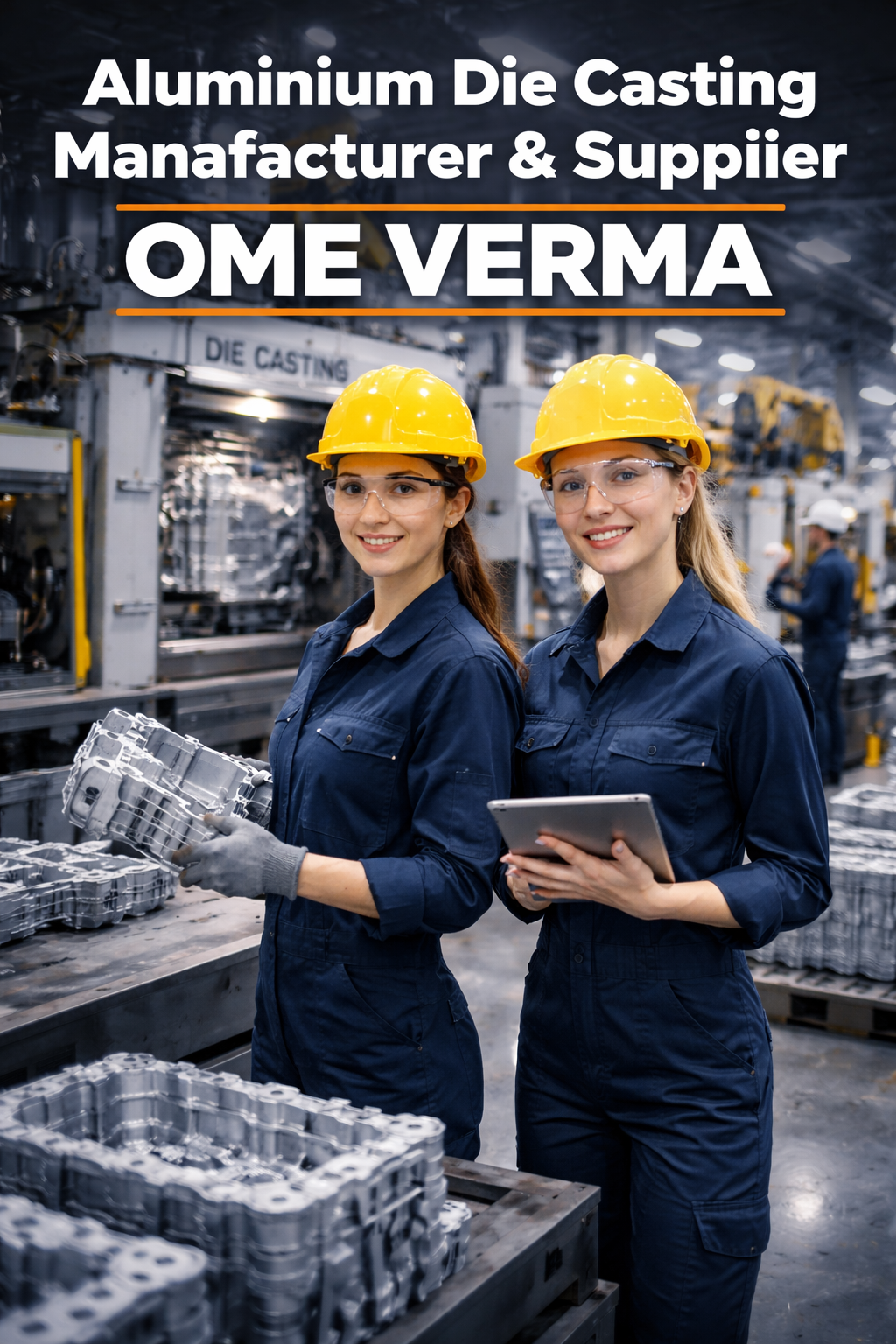
Die casting is a highly efficient manufacturing process used to produce precise, durable, and complex metal components. It involves injecting molten metal into a mold under high pressure, resulting in parts with excellent dimensional accuracy and surface finish. One of the most important aspects of die casting is the choice of material, as it directly affects the performance, durability, cost, and application of the final product.
In this blog, we will explore the most commonly used materials in die casting products, their properties, advantages, and where they are best applied.
Understanding Die Casting Materials
The materials used in die casting are typically non-ferrous metals, meaning they do not contain iron. These metals are chosen for their ability to melt easily, flow smoothly into molds, and solidify quickly without compromising strength or quality.
The most widely used die casting materials include:
- Aluminium
- Zinc
- Magnesium
- Copper alloys (brass and bronze)
- Lead and tin (for specialized applications)
Each material offers unique benefits, making it suitable for specific industries and product requirements.
1. Aluminium Alloys
Aluminium is one of the most popular materials used in die casting. It is lightweight, strong, and highly resistant to corrosion, making it ideal for a wide range of applications.
Key Properties:
- Excellent strength-to-weight ratio
- High thermal and electrical conductivity
- Good corrosion resistance
- Recyclable and environmentally friendly
Applications:
Aluminium die casting is commonly used in:
- Automotive parts (engine components, housings)
- Electronics (heat sinks, enclosures)
- Industrial machinery
Aluminium is especially preferred when weight reduction is a priority without compromising strength.
2. Zinc Alloys
Zinc is another widely used material in die casting, known for its precision and durability. It has a lower melting point compared to aluminium, which allows for faster production cycles and longer mold life.
Key Properties:
- High strength and hardness
- उत्कृष्ट dimensional stability
- Superior surface finish
- Excellent corrosion resistance
Applications:
Zinc die casting is used in:
- Automotive components
- Hardware (locks, handles)
- Consumer electronics
- Decorative items
Zinc is particularly suitable for producing small, intricate parts with tight tolerances.
3. Magnesium Alloys
Magnesium is one of the lightest structural metals available, making it ideal for applications where weight is critical.
Key Properties:
- Extremely lightweight
- Good strength and stiffness
- Excellent machinability
- High vibration damping
Applications:
Magnesium die casting is commonly used in:
- Automotive and aerospace industries
- Electronics (laptop and mobile frames)
- Power tools
Despite being lightweight, magnesium offers sufficient strength for many structural applications.
4. Copper Alloys (Brass and Bronze)
Copper-based alloys such as brass and bronze are used in die casting for their excellent conductivity and strength.
Key Properties:
- High electrical and thermal conductivity
- Good corrosion resistance
- Strong and durable
Applications:
Copper alloys are used in:
- Electrical components
- Plumbing fittings
- Industrial machinery
Although less common than aluminium and zinc, copper alloys are essential for specialized applications requiring conductivity and durability.
5. Lead and Tin Alloys
Lead and tin are used in specific die casting applications where low melting points and high density are required.
Key Properties:
- Low melting temperature
- Good corrosion resistance
- High density
Applications:
These materials are typically used in:
- Bearings
- Radiation shielding
- Decorative items
Due to environmental and health concerns, their use has declined in many industries.Factors to Consider When Choosing Die Casting Materials
Selecting the right material for die casting depends on several factors:
1. Application Requirements
The intended use of the component determines the material choice. For example, automotive parts require strength and durability, while electronics may prioritize conductivity.
2. Weight Considerations
Lightweight materials like aluminium and magnesium are preferred for applications where weight reduction is critical.
3. Cost Efficiency
Material cost, production speed, and tooling requirements all influence the overall cost of the project.
4. Surface Finish
Some materials, like zinc, offer superior surface finish, making them ideal for decorative or visible components.
5. Environmental Conditions
Corrosion resistance and temperature tolerance are important for components exposed to harsh environments.
Advantages of Using the Right Material
Choosing the appropriate die casting material offers several benefits:
- Improved product performance
- Enhanced durability and lifespan
- Reduced manufacturing costs
- Better design flexibility
- Higher production efficiency
By selecting the right material, manufacturers can optimize both quality and cost-effectiveness.
Comparison of Common Die Casting Materials
| Material |
Weight |
Strength |
Cost |
Precision |
Applications |
| Aluminium |
Light |
High |
Moderate |
Good |
Automotive, electronics |
| Zinc |
Moderate |
High |
Moderate |
Excellent |
Hardware, consumer goods |
| Magnesium |
Very Light |
Moderate |
Higher |
Good |
Aerospace, electronics |
| Copper |
Heavy |
High |
High |
Moderate |
Electrical, industrial |
This comparison highlights how each material serves different purposes depending on the application.
Future Trends in Die Casting Materials
The die casting industry is evolving with advancements in technology and sustainability. Manufacturers are exploring new alloys and processes to improve efficiency and reduce environmental impact.
Some emerging trends include:
- Development of high-performance alloys
- Increased use of recyclable materials
- Integration with advanced manufacturing technologies
- Improved energy efficiency in production
These innovations are shaping the future of die casting and expanding its applications across industries.
Conclusion
Die casting products are made using a variety of materials, each offering unique properties and advantages. Aluminium, zinc, magnesium, and copper alloys are the most commonly used, with each material suited to specific applications and requirements.
Understanding these materials helps manufacturers and businesses make informed decisions, ensuring optimal performance, durability, and cost efficiency. As technology continues to advance, the range of materials and their capabilities will only continue to grow, making die casting an even more versatile and valuable manufacturing process.