Baby Cockatoo Screaming: What It Means and How to Handle It (Without Losing Your Mind)
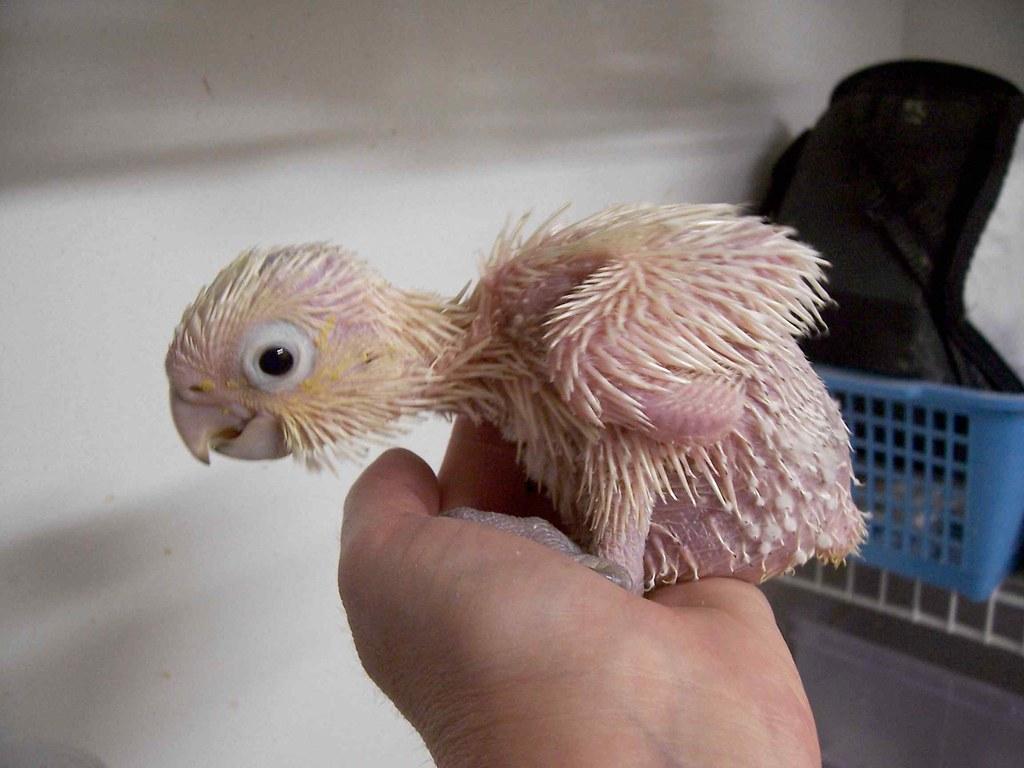
It Starts Suddenly… and It’s Loud
If you’ve ever been around a baby cockatoo when it decides to scream, you already know—this isn’t a soft chirp. It’s sharp, loud, and kind of shocking the first time.
And the confusing part? It can feel like it comes out of nowhere. One moment things are quiet, the next… chaos.
Honestly, most new owners aren’t fully prepared for that level of noise. I don’t think anyone really is at first.
Why Do Baby Cockatoos Scream So Much?
Screaming isn’t random. It’s communication.
Baby cockatoos don’t have many ways to express themselves, so they rely on sound. A lot.
Common reasons include:
- Hunger
- Seeking attention
- Feeling lonely
- Stress or discomfort
Sometimes it’s obvious what they want. Other times… not so much. You’re left guessing a bit.
Attention-Seeking Behavior (This One Happens a Lot)
Cockatoos are social birds, and babies especially crave constant interaction.
If they feel ignored—or even just alone for too long—they’ll scream to get your attention. And it works. That’s the thing.
You respond, they learn:
Scream → human comes back.
Not exactly manipulation… but close enough in practice.
Hunger and Feeding Signals
Young cockatoos often scream when they’re hungry.
Before they’re fully weaned, they rely on feeding schedules, and if those are delayed—or even slightly off—they’ll let you know. Loudly.
It’s not subtle. It’s urgent.
And yeah, it can feel overwhelming, especially if you’re still learning their routine.
Fear or Environmental Stress
New environments can be stressful for baby cockatoos.
Different sounds, unfamiliar surroundings, new people—it’s a lot to process.
Screaming can be a reaction to that stress. A way of expressing discomfort or uncertainty.
Sometimes it settles as they adjust. Sometimes it takes longer than expected.
Boredom (Yes, Even in Babies)
It might seem surprising, but even young cockatoos can get bored.
They’re curious and active, and if there’s nothing to do—no toys, no interaction—they’ll create their own stimulation.
Which often turns into… more noise.
Not ideal, but understandable.
Is This Normal Behavior?
Short answer: yes.
Baby cockatoos are naturally vocal. Screaming is part of their development and communication.
That doesn’t mean you have to accept constant noise without trying to manage it—but it does mean it’s not something “wrong” with the bird.
It’s just… what they do.
How to Reduce Excessive Screaming
You might not eliminate it completely—but you can reduce it.
Try:
- Keeping a consistent feeding and interaction schedule
- Providing toys and stimulation
- Responding calmly (not reinforcing the behavior)
- Giving attention before screaming starts, not only after
Timing matters more than people realize. If you only respond after the scream, it reinforces it.
What Not to Do
This part is important.
Avoid:
- Yelling back (it doesn’t help, and sometimes makes it worse)
- Ignoring the bird completely for long periods
- Rewarding screaming with immediate attention every time
It’s a bit of a balance—respond, but don’t reinforce the behavior.
When Screaming Becomes a Problem
Some screaming is normal. Constant, intense screaming that doesn’t improve? That might need attention.
It could be linked to:
- Stress
- Improper routine
- Health issues
If it feels excessive or unusual, it’s worth looking deeper into it—not just waiting it out. Are you interested in a cockatoo, but you are worried about the late-night screaming? Then look no further. Check out baby cockatoo for sale for fully weaned pet cockatoo parrots for sale from top and trusted breeders.
Kategoriler
Read More
Executive Summary Miracast Wireless Display Market Size and Share Forecast CAGR Value Data Bridge Market Research analyses that the miracast wireless display market which was growing at a value of 3.82 billion in 2021 and is expected to reach the value of USD 8.80 billion by 2029, at a CAGR of 11.00% during the forecast period of 2022-2029. This Miracast Wireless Display Market...

Giloy juice is a powerful Ayurvedic remedy made from the Giloy plant, also known as Guduchi or Amrita. It has been used in traditional medicine for centuries to treat various health problems. Giloy juice is natural, safe, and full of medicinal properties that help the body fight diseases and stay healthy. Below, we discuss how Giloy sharbat can help with constipation,...

Mornings unfold here, over steaming cups. Evenings linger through shared stories under open skies. Summer stretches further when time slows on stone that holds its ground. Bluestone patio installation offers more than looks - strength hides beneath each slab, history lives in every shade. This kind of build lasts, not by chance, but because material matters. While others split, lighten, or...

London UK Tour Packages Discover the Best of the Capital When it comes to unforgettable travel experiences, few destinations can match the charm and cultural richness of London. Choosing the right London UK tour packages allows travelers to explore this iconic city with convenience, comfort, and expert guidance. From historical landmarks to modern attractions, London promises something special...

Corteiz Clothing Corteiz Clothing has transformed the urban fashion scene with its fresh designs, limited releases, and loyal community. What started as an underground movement in London has grown into a global streetwear phenomenon, setting new standards for authenticity, exclusivity, and style. For those searching for clothing that combines individuality, quality, and a sense of...