Moluccan Cockatoo Sound: What It’s Really Like (And Why It Matters More Than You Think)
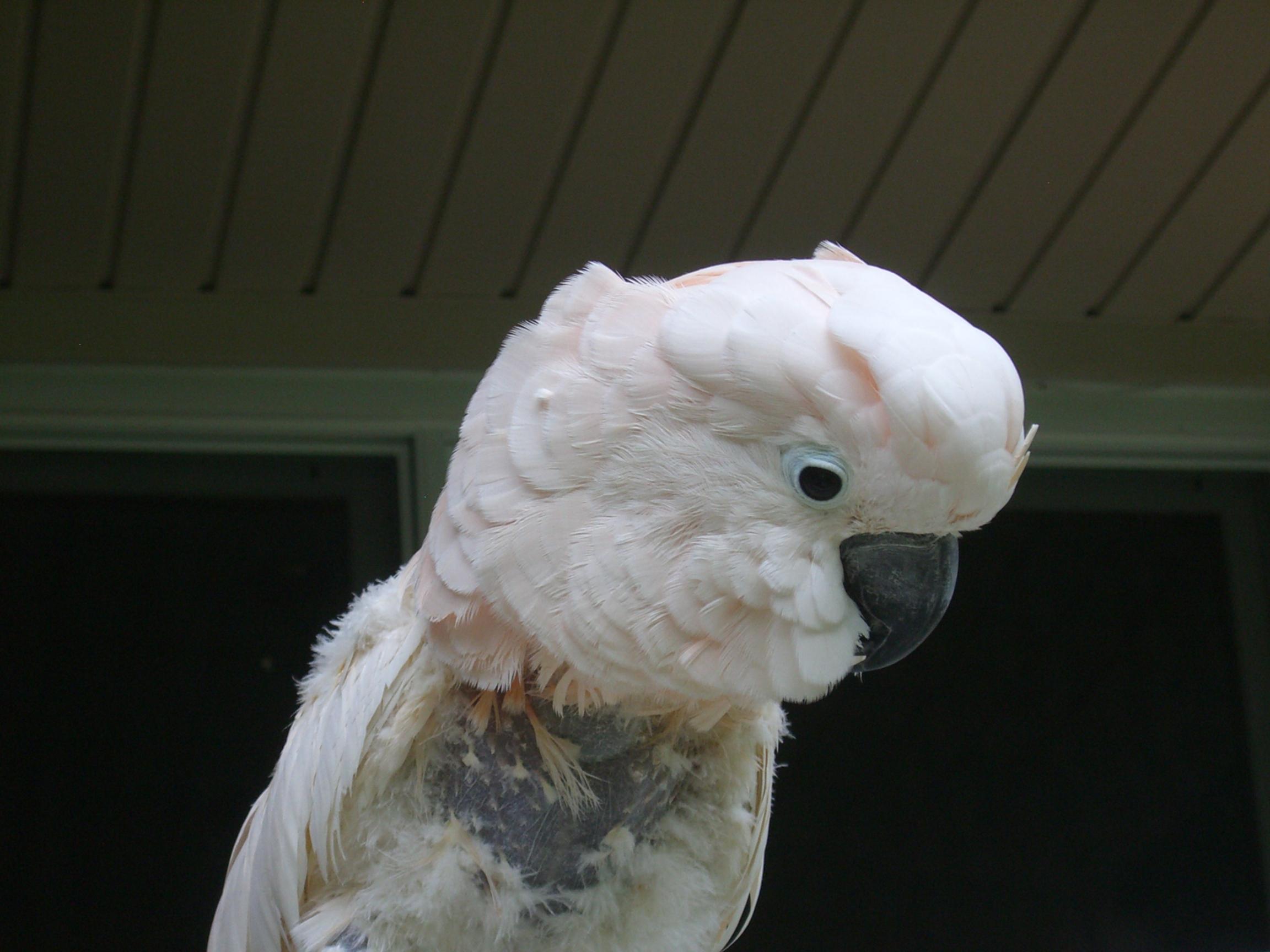
Let’s not ease into this too gently—Moluccan cockatoos are loud.
Not “a bit noisy sometimes.” Not “you’ll hear them occasionally.” I mean loud in a way that cuts through walls, doors, conversations… everything.
The first time you hear one scream up close, it’s a bit of a shock. Honestly. You might laugh at first, then realize—oh, this is going to happen regularly.
And yeah, that realization hits differently.
What Kind of Sounds Do Moluccan Cockatoos Make?
It’s not just one type of noise. They have a range of sounds, even if the scream gets most of the attention.
You’ll hear:
- Loud, high-pitched screams
- Squawks and calls
- Whistles
- Soft chatter or mumbling sounds
- Occasional mimicked words or phrases
Some sounds are actually pleasant. Quiet, almost sweet. But then… there’s the scream. Which tends to dominate the experience.
Why Are Moluccan Cockatoos So Loud?
In the wild, loud calls are necessary.
They use them to:
- Communicate over long distances
- Stay connected with their flock
- Signal danger or excitement
So the volume isn’t random—it’s built into how they function.
The problem is, in a home environment, that same volume can feel excessive. Because there’s no jungle to absorb it. Just walls.
When Do They Make the Most Noise?
There are certain times when Moluccan cockatoos are more likely to vocalize:
Morning and evening are big ones. It’s part of their natural rhythm—kind of like checking in with the flock.
They also get louder when:
- They want attention
- They’re bored
- They’re excited or overstimulated
- Something in their environment changes
Sometimes it feels predictable. Other times… not so much.
Screaming for Attention (This Happens a Lot)
Moluccan cockatoos are highly social.
If they feel ignored, they’ll often scream to get your attention. And it works. That’s the issue.
You respond, they learn the pattern:
Scream → human reacts.
And once that pattern forms, it can be hard to break. Not impossible—but definitely challenging.
Can You Reduce the Noise?
Reduce? Yes. Eliminate? Not really.
You can help manage it by:
- Providing regular interaction
- Keeping a consistent routine
- Offering toys and mental stimulation
- Avoiding reinforcing screaming with attention
It’s more about managing expectations than completely changing behavior.
Talking vs Screaming (Important Difference)
Moluccan cockatoos can mimic sounds and even learn a few words.
But they’re not known for being top-tier talkers. Their vocal strength is volume, not vocabulary.
So if you’re hoping for a quiet, talking cockatoo for sale… this might be a good match if fully weaned and tamed.
How Loud Is “Loud,” Really?
It’s hard to describe until you hear it.
Some comparisons say their scream can reach levels similar to a motorcycle engine or a loud siren. That’s not an exaggeration.
It’s the kind of sound that:
- Gets attention instantly
- Can be heard from another room—or outside
- Feels intense, especially indoors
So yeah, it’s something to seriously consider before bringing one home.
Living With the Noise (It Takes Adjustment)
Over time, you do get used to it… a little.
Not completely, but enough that it feels less shocking. More expected.
Still, it’s not something everyone can tolerate long-term. And that’s okay. It’s better to be realistic about it than surprised later. Are you a Bird/Cockatoo lover? Visit the website for healthy and weaned Moluccan cockatoos for sale from trusted breeders in your area.
Категории
Больше
Polaris Market Research has introduced the latest market research report titled Rehabilitation Equipment Market Size, Share, & Industry Analysis Report: By Type, By Application (Physical Rehabilitation & Training and Occupational Rehabilitation & Training), By End Use, and By Region – Market Forecast, 2025–2034 that highlights the major revenue stream for the...

Final Season Streaming Guide The final chapter of the beloved family drama is about to unfold as the Pearson family returns one last time. "This Is Us" concludes with its sixth season, premiering Tuesday, January 4th at 9:00 PM Eastern Time (6:00 PM Pacific) on NBC. Despite the show's immense popularity and strong viewership during its fifth season, creator Dan Fogelman always envisioned a...

"DNA-Based Food Testing Market Summary: According to the latest report published by Data Bridge Market Research, the DNA-Based Food Testing Market The global DNA-based food testing market size was valued at USD 12.36 billion in 2025 and is expected to reach USD 19.85 billion by 2033, at a CAGR of 6.10% during the forecast period DNA-Based Food Testing...

The global cloud gaming market size was valued at USD 2.28 billion in 2024 and is expected to reach USD 62.43 billion by 2032, at a CAGR of 51.22% during the forecast period. The global business landscape is undergoing a transformation, with industries increasingly leaning on deep research and actionable insights to make strategic decisions. One segment seeing...
"Used Cars for Sale & Used Cars Near Me Options" "Used Cars for Sale & Used Cars Near Me Options"."Find the best used cars for sale near me! Explore affordable, high-quality options and drive home your dream car today." Used Cars for Sale: Your Ultimate Guide to Finding the Perfect Ride Looking for the best deals on used cars? Whether you want reliability, style, or affordability,...