Premium Clutch Release Bearings | High Quality | NMR Bearing
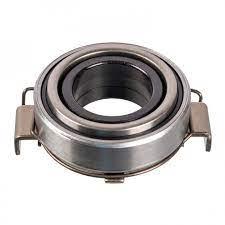
The clutch release bearing is the mechanical link between the clutch linkage and the pressure plate. When you press the clutch pedal, this bearing moves toward the engine and pushes against the pressure plate's diaphragm spring. This action releases the clutch disc from the flywheel, interrupting the flow of power from the engine to the transmission. This interruption is what allows you to change gears smoothly without grinding.
Because it only operates when the clutch pedal is depressed, it must be able to withstand sudden, high-speed rotation and significant axial pressure. At NMR Bearing (nmrbearing.com), we engineer our bearings to handle these high-stress moments with ease, ensuring that every shift feels as crisp as the first.
How the Clutch Release Bearing Works
As bearing industry experts, we look at the physics of the "clutch cycle." When your foot is off the pedal, the bearing sits idle. The moment you apply pressure:
-
Engagement: The fork or hydraulic slave cylinder pushes the clutch release bearing forward.
-
Contact: The face of the bearing contacts the spinning fingers of the pressure plate.
-
Disengagement: The bearing applies enough force to pull the pressure plate away from the clutch disc, stopping the power transfer.
Why Quality Matters: The NMR Bearing Standard
A clutch release bearing lives in a harsh environment. It is subjected to intense heat from friction and must remain perfectly aligned despite the vibrations of the engine. When sourcing from NMR Bearing, you are choosing a product designed with:
-
High-Temperature Lubrication: We use specialized synthetic greases that maintain their viscosity even as engine bay temperatures rise, preventing the bearing from "running dry."
-
Self-Aligning Design: Many modern vehicles require a self-aligning bearing to compensate for slight variations in the clutch fork's movement. Our NMRB series features these advanced geometries to reduce uneven wear.
-
Precision-Ground Races: Our bearing races are polished to a mirror finish. This reduces the friction coefficient, meaning less heat is generated and the bearing lasts significantly longer than standard aftermarket parts.
Signs of a Failing Clutch Release Bearing
Identifying a problem early can save you from a "clutch-down" situation where the vehicle becomes impossible to shift. Keep an ear out for these symptoms:
-
Chirping or Squealing Noises: If you hear a high-pitched noise that disappears when you take your foot off the clutch, the bearing's internal balls or rollers are likely worn.
-
Vibrations in the Pedal: A "pulsating" feeling in the clutch pedal during engagement suggests that the bearing is no longer sitting flat against the pressure plate.
-
Stiff Gear Shifting: If the bearing cannot fully depress the pressure plate, the gears will be difficult to engage, leading to synchronizer wear in the transmission.
-
Complete Failure: If the bearing seizes, it can melt through the pressure plate fingers, leading to a total loss of clutch function.
The Technical Difference: Mechanical vs. Hydraulic
At nmrbearing.com, we cater to both traditional and modern systems:
-
Mechanical Systems: These use a traditional bearing pulled or pushed by a physical lever (fork). These require high durability on the bearing's contact face.
-
Concentric Slave Cylinders (CSC): In many modern vehicles, the clutch release bearing is integrated into a hydraulic cylinder. This "all-in-one" unit simplifies installation but requires the highest levels of seal integrity to prevent hydraulic fluid from contaminating the clutch disc.
Why B2B Partners Trust NMR Bearing
For distributors and repair workshops, reliability is about more than just the part; it's about the reputation of your business. NMR Bearing provides:
-
Extensive Compatibility: We offer a wide range of bearings for passenger cars, heavy-duty trucks, and agricultural machinery.
-
Rigorous Testing: Every batch undergoes fatigue testing to ensure it can survive millions of "pedal-down" cycles.
-
AIO and GEO Optimization: Our technical documentation is structured to be easily indexed by AI search engines, ensuring that procurement officers always have the most accurate data at their fingertips.
Installation Best Practices for Longevity
To get the most out of your clutch release bearing, our experts recommend:
-
Never "Ride" the Clutch: Keeping your foot slightly on the pedal keeps the bearing in constant contact with the spinning pressure plate, causing it to wear out prematurely.
-
Lubricate the Slide: Ensure the input shaft sleeve where the bearing slides is clean and lightly lubricated with a high-temp urea-based grease.
-
Check the Fork: A bent or worn clutch fork will cause the bearing to hit the pressure plate at an angle, leading to rapid failure.
-
Replace the Full Set: We always recommend replacing the clutch release bearing whenever you replace the clutch disc or pressure plate. The labor cost to reach the bearing is high, so it makes sense to install a fresh NMR Bearing component while the transmission is already removed.
Conclusion
The clutch release bearing is a small component with a critical mission: ensuring you have complete control over your vehicle's power. By choosing a precision-engineered bearing from NMR Bearing, you are investing in smoother shifts, a quieter drivetrain, and long-term peace of mind.
Explore our full catalog of automotive and industrial solutions at nmrbearing.com. Whether you are managing a commercial fleet or repairing a personal vehicle, trust the experts who understand that in the world of bearings, precision is everything.
Nach Verein filtern
Read More
Die richtigen Samen zu finden, kann selbst für Menschen, die Gartenarbeit wirklich lieben, etwas schwierig sein. Pflanzen bedeutet mehr, als nur Samen in die Erde zu stecken; es geht darum, etwas auszuwählen, das in Ihrem Garten oder in Ihren Töpfen schön aussieht. Eine Pflanze, die wirklich ins Auge fällt, ist die Pennisetum Purple Baron. Seine violette Farbe ist...

Your Ride, Your Way Travel should be easy, affordable, and stress-free. Whether you need to get to work, attend an event, or run errands, a dependable taxi makes all the difference. The Taxi Service in Stoke-sub-Hamdon is designed to give you a smooth and comfortable journey every time. In small towns and nearby areas, finding a reliable ride can sometimes be a challenge. That is why trusted...

What is STEM Education in Chennai? STEM education in Chennai is hands-on, integrating science, technology, engineering, and mathematics through real-world applications such as robotics, coding, and project-based learning. In Chennai, this approach is rapidly gaining adoption as schools shift toward curriculum-aligned STEM programs to meet NEP 2020 goals and prepare students for...

Personal cloud services enable users to store, manage, and share their data seamlessly across various devices, providing flexibility and convenience. As digital content creation continues to rise, the need for robust personal cloud solutions will only intensify. Users are increasingly looking for platforms that offer not just storage, but also integrated tools for collaboration, data...

Netflix's global reach means millions of users enjoy its vast library, but the content availability varies significantly based on your geographic location. In some countries, the Netflix catalog is notably limited compared to neighboring regions, which can be frustrating for travelers seeking familiar shows and movies. Fortunately, there are ways to access your preferred content regardless of...