Nigeria Two-Wheeler Market 2030F Growth, Trends, Forecast
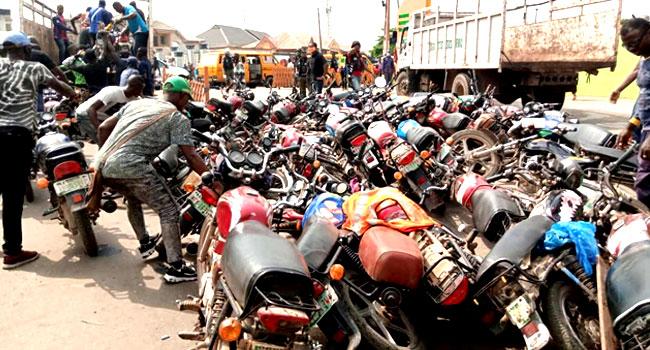
According to TechSci Research report, “Nigeria Two-Wheeler Market – By Region, Competition, Forecast & Opportunities, 2020–2030F”, the Nigeria two-wheeler market was valued at USD 1.06 billion in 2024 and is projected to reach USD 1.65 billion by 2030, growing at a compound annual growth rate (CAGR) of 7.60% during the forecast period. This steady expansion reflects the increasing reliance on cost-effective mobility solutions in one of Africa’s most populous and economically dynamic nations.
Nigeria’s transportation landscape is undergoing a significant transformation, with two-wheelers—motorcycles, scooters, and mopeds—emerging as critical enablers of mobility. Rapid urbanization, rising population density, and infrastructure limitations are collectively shaping consumer preferences toward more agile, affordable, and accessible transportation options. In this context, the two-wheeler market is not just growing—it is evolving into a vital component of the country’s economic and social ecosystem.
Market Overview
The Nigeria two-wheeler market is deeply intertwined with the country’s urban mobility challenges and economic realities. With increasing congestion in major cities and limited public transportation infrastructure, two-wheelers offer a practical solution for both personal and commercial mobility needs.
Motorcycles dominate the market due to their versatility and ability to navigate through congested urban roads and underdeveloped rural terrains. They are widely used for commuting, goods transportation, and commercial services such as bike taxis, commonly known as “okadas.” On the other hand, scooters and mopeds are gaining traction among specific user groups, including students, women, and small business operators, owing to their ease of use and lower operating costs.
The market is also witnessing gradual diversification in propulsion technologies, with internal combustion engine (ICE) vehicles currently leading but electric vehicles (EVs) beginning to carve out a niche. This shift is being influenced by rising fuel prices, environmental concerns, and technological advancements.
Download Free Sample Report: https://www.techsciresearch.com/sample-report.aspx?cid=2096
Emerging Trends in the Nigeria Two-Wheeler Market
1. Rise of Electric Two-Wheelers
One of the most significant emerging trends is the growing interest in electric two-wheelers. Although still in its nascent stage, the EV segment is gaining momentum as consumers and businesses seek alternatives to rising fuel costs. Electric motorcycles and scooters offer lower operating expenses, reduced emissions, and quieter performance, making them increasingly attractive in urban areas.
Local startups and international players are beginning to introduce electric models tailored to Nigerian conditions. Battery-swapping infrastructure and charging solutions are also being explored, which could accelerate adoption in the coming years.
2. Integration of Digital Technologies
Digital transformation is reshaping the two-wheeler market in Nigeria. Mobile applications for financing, rentals, servicing, and ride-hailing are making vehicle ownership and usage more accessible. Consumers can now purchase or lease motorcycles through digital platforms with flexible payment options, reducing entry barriers.
Additionally, smart features such as GPS tracking, anti-theft systems, and mobile connectivity are becoming more common. These features not only enhance user convenience but also improve safety and operational efficiency for commercial users.
3. Growth of Last-Mile Delivery Services
The rapid expansion of e-commerce and logistics services is driving demand for two-wheelers, particularly in urban areas. Motorcycles are ideal for last-mile delivery due to their speed, maneuverability, and cost-effectiveness. Food delivery, courier services, and online retail platforms are increasingly relying on two-wheelers to meet consumer expectations for quick and reliable deliveries.
4. Increasing Popularity of Ride-Hailing Services
Ride-hailing platforms specializing in two-wheelers are gaining popularity in Nigeria. These services provide affordable and efficient transportation options, especially in congested cities. They also create employment opportunities, contributing to the informal economy.
5. Shift Toward Fuel Efficiency and Sustainability
As fuel prices continue to rise, consumers are prioritizing fuel-efficient vehicles. This trend is encouraging manufacturers to develop models with improved mileage and lower emissions. Hybrid and electric options are also gaining attention as part of a broader shift toward sustainable mobility.
Key Market Drivers
1. Urbanization and Population Growth
Nigeria’s rapidly growing population and increasing urbanization are major drivers of the two-wheeler market. Cities like Lagos are experiencing significant population inflows, leading to increased demand for efficient transportation solutions. Two-wheelers provide a practical means of navigating crowded urban environments.
2. Rising Fuel Costs
Fluctuating and often rising fuel prices are pushing consumers toward more economical transportation options. Two-wheelers, particularly those with high fuel efficiency or electric propulsion, offer a cost-effective alternative to cars and public transport.
3. Inadequate Public Transportation Infrastructure
The limited reach and inefficiency of public transportation systems in many parts of Nigeria create a gap that two-wheelers effectively fill. They offer flexibility, accessibility, and convenience, especially in areas where public transport is unreliable or unavailable.
4. Expansion of Commercial Applications
The use of two-wheelers for commercial purposes, including ride-hailing and delivery services, is expanding rapidly. This trend is driven by the growth of the gig economy and increasing demand for quick, reliable services.
5. Youth Demographics and Employment Opportunities
Nigeria has a large youth population, many of whom are turning to two-wheeler-based services as a source of income. The relatively low cost of entry and high demand for services make this sector an attractive employment option.
Market Segmentation Analysis
By Vehicle Type
The market is segmented into motorcycles and scooters/mopeds. Motorcycles dominate due to their robustness, higher load capacity, and suitability for diverse terrains. They are widely used for both personal and commercial purposes.
Scooters and mopeds, while smaller in market share, are gaining popularity in urban areas. Their lightweight design, automatic transmission, and ease of handling make them ideal for short-distance travel and inexperienced riders.
By Propulsion
Internal combustion engine (ICE) vehicles currently account for the majority of the market. However, electric vehicles are gradually gaining traction. The transition toward EVs is expected to accelerate as infrastructure improves and awareness increases.
By End Use
The market is divided into personal and commercial segments. The commercial segment, including ride-hailing and delivery services, is a major growth driver. Personal use is also significant, particularly among urban commuters seeking affordable transportation.
By Region
The South-West region, particularly Lagos, is the fastest-growing market. High population density, economic activity, and traffic congestion are key factors driving demand. Other regions are also witnessing growth, albeit at a slower pace, as awareness and accessibility improve.
Industry Key Highlights
- The Nigeria two-wheeler market is projected to grow at a CAGR of 7.60% between 2024 and 2030.
- Market size is expected to increase from USD 1.06 billion in 2024 to USD 1.65 billion by 2030.
- Motorcycles dominate the market due to their versatility and cost-effectiveness.
- Electric two-wheelers are emerging as a promising segment.
- The South-West region is the fastest-growing market, driven by urbanization and economic activity.
- Digital platforms are transforming vehicle access, financing, and servicing.
- Commercial applications, including delivery and ride-hailing, are key growth drivers.
- Rising fuel prices are encouraging the adoption of fuel-efficient and electric models.
- Youth employment opportunities are expanding through two-wheeler-based services.
- Technological advancements are enhancing safety, connectivity, and user experience.
Competitive Analysis
The Nigeria two-wheeler market is characterized by intense competition among global and regional players. Companies are focusing on product innovation, pricing strategies, and distribution networks to strengthen their market presence.
Key players in the market include Bajaj Auto Ltd., Haojue Holdings, Hero MotoCorp Ltd., Honda Motor Co., Ltd., Lifan Group, Qingqi Group Co., Ltd., Suzuki Motor Corporation, TVS Motor Company, Yamaha Motor Co., Ltd., and Zongshen Industrial Group.
These companies are leveraging their technological expertise and brand recognition to capture market share. Many are introducing models tailored to local conditions, emphasizing durability, fuel efficiency, and affordability. Strategic partnerships with local distributors and service providers are also helping companies expand their reach.
In addition, some players are exploring opportunities in the electric vehicle segment, investing in research and development to introduce innovative products. Competitive differentiation is increasingly based on features such as connectivity, safety, and after-sales support.
Challenges in the Market
Despite its growth potential, the Nigeria two-wheeler market faces several challenges:
- Poor Road Infrastructure: Many roads are poorly maintained, affecting vehicle performance and safety.
- Regulatory Restrictions: Some regions have imposed restrictions on motorcycle taxis, impacting demand.
- Dependence on Imports: The market relies heavily on imported components, making it vulnerable to currency fluctuations and supply chain disruptions.
- Safety Concerns: High accident rates and lack of safety awareness pose challenges to market growth.
Addressing these challenges will be crucial for sustaining long-term growth.
Future Outlook
The future of the Nigeria two-wheeler market appears promising, with multiple growth avenues emerging. The continued expansion of urban areas, coupled with increasing demand for affordable mobility solutions, will drive market growth.
Electric vehicles are expected to play a significant role in the market’s evolution. As infrastructure improves and costs decline, EV adoption is likely to accelerate. Government policies and incentives could further समर्थन this transition.
Digitalization will continue to transform the market, enabling more efficient operations and enhancing customer experiences. The integration of advanced technologies such as telematics and IoT will create new opportunities for innovation.
The commercial segment, particularly last-mile delivery and ride-hailing services, will remain a key growth driver. As e-commerce and urban logistics continue to expand, demand for two-wheelers is expected to rise.
Overall, the market is poised for sustained growth, driven by a combination of economic, technological, and demographic factors.
10 Benefits of the Research Report
- Provides comprehensive analysis of market size and growth trends.
- Offers detailed segmentation by vehicle type, propulsion, end use, and region.
- Identifies key drivers and challenges influencing market dynamics.
- Highlights emerging trends and technological advancements.
- Includes competitive landscape analysis of major players.
- Provides forecasts up to 2030 for strategic planning.
- Helps investors identify high-growth opportunities.
- Offers insights into regional market performance.
- Supports decision-making with data-driven analysis.
- Enhances understanding of consumer behavior and market demand.
Conclusion
The Nigeria two-wheeler market is undergoing a dynamic transformation, driven by the need for affordable, efficient, and flexible mobility solutions. With strong growth prospects, evolving consumer preferences, and increasing technological integration, the market is set to play a crucial role in the country’s transportation ecosystem.
As stakeholders navigate challenges and capitalize on emerging opportunities, the focus will remain on innovation, sustainability, and accessibility. The coming years will likely witness significant advancements, positioning the Nigeria two-wheeler market as a key contributor to economic development and urban mobility.
Contact Us-
Mr. Ken Mathews
708 Third Avenue,
Manhattan, NY,
New York – 10017
Tel: +1-646-360-1656
Email: sales@techsciresearch.com
Website: www.techsciresearch.com
Catégories
Lire la suite
In the present rapidly evolving digital landscape, crowdfunding has emerged together of the very most powerful ways for businesses, startups, and organizations to improve capital and interact with investors. Platforms designed for this reason are no further just simple fundraising tools; they have become sophisticated ecosystems that combine technology, compliance, and user experience....

The creators behind Brickleberry are returning to the beat. Netflix has officially ordered more episodes of the raunchy animated series Paradise PD. The streaming service confirmed the renewal with a celebratory tweet from the show's official account. Season one, which launched in late August, follows the profoundly incompetent officers of a small-town police force. Expect more chaotic and...

Laser welding tools have revolutionized modern manufacturing, offering unmatched precision and efficiency in joining metals. At Laser China, we specialize in providing cutting-edge laser welding solutions that cater to a wide range of industries, from automotive and aerospace to electronics and medical devices. With the advancement of technology, laser welding has become a preferred choice for...

With the Lord of Hatred expansion now live for several weeks, Maxroll’s Diablo IV coverage has been fully refreshed. The Build Guides have been thoroughly updated to incorporate new items, features, and mechanic changes, and the Tier Lists are now complete across all major game modes. Tier List Categories The tier lists are provided in five key areas: Overall Endgame, Bossing, Pit Push,...
Introduction to Modern Orthodontic Innovation A well-aligned smile enhances confidence, appearance, and oral health. Dentistry has evolved to provide treatments that are both effective and invisible. Many patients now prefer Teeth aligners in Islamabad as a modern alternative to traditional braces. What Are Clear Aligners? Clear aligners are transparent orthodontic trays that gradually move...