Identifying the Warning Signs Before the Roof Collapses
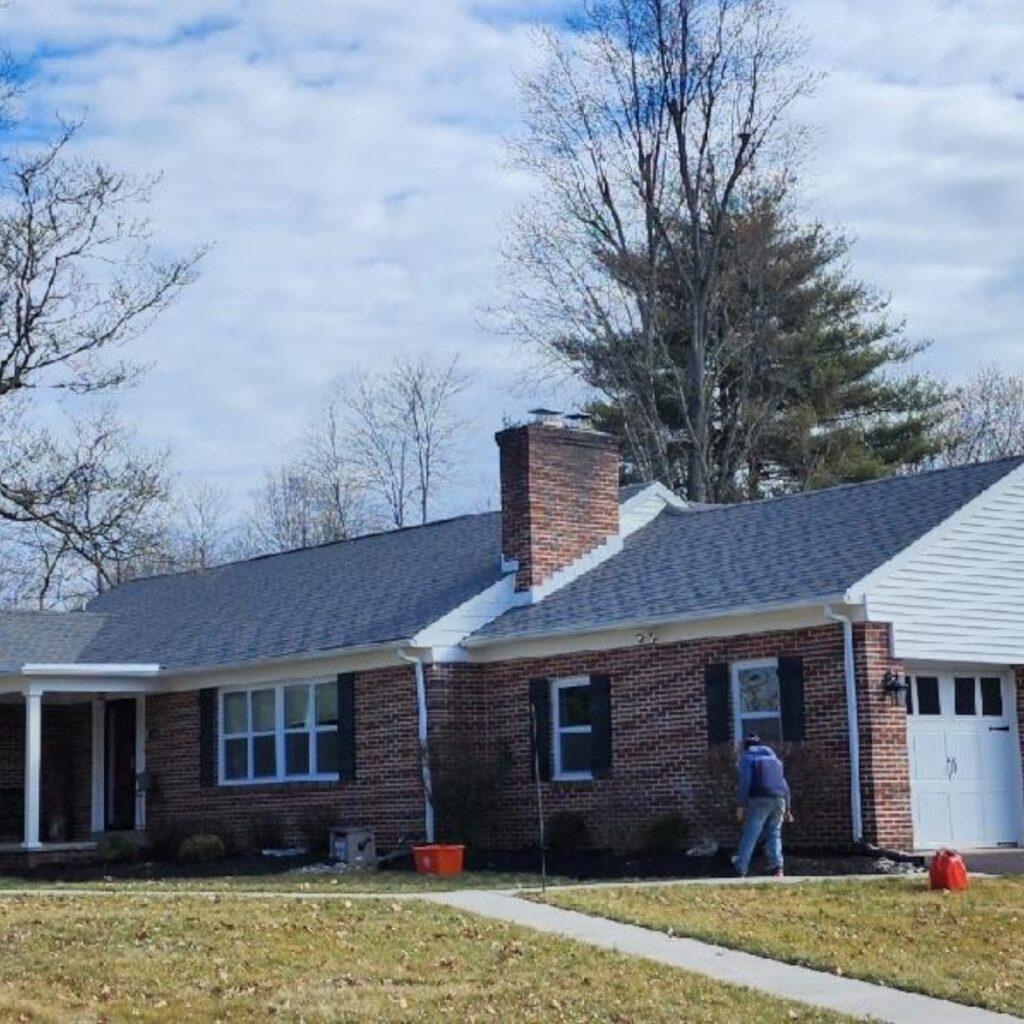
As a severe weather preparedness coordinator, my focus is on anticipating disasters before they strike. A sudden, catastrophic failure of a home's structural envelope is rarely a truly sudden event; it is almost always preceded by a series of subtle warning signs that were ignored or misunderstood by the homeowner. Waiting until water is pouring through the ceiling during a hurricane is the worst possible time to address structural vulnerabilities. The goal of preparedness is to identify these early indicators and take decisive action while the weather is calm. For residents who suspect their home may be compromised, learning to read these signals and securing preventative Emergency Roof Repair in Philadelphia is the most critical step in safeguarding their families and their property against the devastating impact of severe weather.
The Subtle Danger of Sagging Decking
The most alarming warning sign of an impending failure is not missing shingles, but a change in the geometry of the roof itself. Stand across the street from your house and carefully observe the various planes of the roofline. They should appear crisp, flat, and straight. If you notice a visible dip or a wavy, undulating pattern between the rafters, the underlying wooden decking is failing. This sagging indicates that the plywood or OSB has been chronically saturated with water, has begun to rot, or has been overloaded by too many layers of roofing material. A sagging roof has lost its structural integrity and is at a high risk of total collapse under the added weight of heavy snow or the intense uplift forces of a severe windstorm.
Granular Loss and the Exposure of Asphalt
The surface of an asphalt shingle is covered in tiny ceramic granules. These granules are not just for colour; they provide the essential UV protection that prevents the asphalt from breaking down in the sun. Over time, these granules naturally wear away, but excessive granular loss is a clear sign that the roof is nearing the end of its functional life. Check your gutters; if they are filled with thick, black, sandy sediment, your shingles are rapidly deteriorating. As the granules wash away, the dark asphalt is exposed directly to the sun, accelerating the drying and cracking process. A roof with significant granular loss has lost its weatherproofing capabilities and will inevitably fail during the next major storm.
The Tale of Curling and Buckling Shingles
A healthy shingle should lie perfectly flat against the roof deck. If you observe shingles that are curling up at the edges (cupping) or bulging upward in the middle (buckling), the system is severely compromised. Curling is typically caused by the intense heat of a poorly ventilated attic baking the shingles from the underside, causing them to dry out, shrink, and warp. Buckling often indicates that the underlying felt paper has wrinkled or the decking itself has shifted due to moisture. Both conditions break the waterproof seal of the roof. More importantly, curled or buckled shingles catch the wind easily, making them highly susceptible to being completely torn off during a severe gale, leaving the vulnerable decking exposed to the rain.
Interior Warning Signs: The Attic Inspection
The most crucial inspection occurs inside the house, specifically within the attic. You must routinely check the underside of the roof deck, particularly after heavy rain or during the spring thaw. Look for any dark water stains, active drips, or areas of damp, discoloured wood. Inspect the insulation; if it is matted down or appears to have been wet, you have an active leak. Furthermore, shine a bright flashlight up towards the roof deck and turn off all the lights in the attic. If you can see daylight shining through the boards, your structural envelope is breached. These internal warning signs demand immediate professional intervention before the slow, hidden damage escalates into a catastrophic interior flood.
Conclusion
A severe weather event does not cause a healthy roof to fail; it merely exposes the hidden weaknesses of a neglected one. By learning to identify the subtle warning signs—sagging decking, excessive granular loss, warped shingles, and internal moisture—homeowners can transition from reactive panic to proactive preparedness. Addressing these vulnerabilities before the storm hits is the only way to ensure your home remains a safe, secure fortress against the elements.
Call to Action
Do not wait for a disaster to reveal your roof's weaknesses. Our comprehensive structural inspections identify hidden vulnerabilities before they lead to catastrophic failure. Contact us today to secure your home ahead of the next severe weather event.
Κατηγορίες
Διαβάζω περισσότερα
Maintaining healthy blood sugar levels has become one of the biggest health concerns for many adults today. Modern lifestyles, processed foods, stress, lack of exercise, and unhealthy eating habits can affect the body’s ability to maintain balanced glucose levels. When blood sugar becomes unstable, many people experience fatigue, sugar cravings, low energy, poor focus, and difficulty...

https://ourfathersfamily.com/blogs/96454/Expedia-Vacation-Packages-Deals-%F0%9D%9F%AD-%F0%9D%9F%B4%F0%9D%9F%B2%F0%9D%9F%B2-%F0%9D%9F%B4%F0%9D%9F%B1%F0%9D%9F%B1-%F0%9D%9F%AC%F0%9D%9F%AC%F0%9D%9F%B0%F0%9D%9F%AD
Cricket is one of the most famous sports in India, and tens of hundreds and lots of fanatics enjoy following every in shape, event, and league throughout the one year. As online sports activities activities structures maintain growing, many clients are searching out a quick and reliable way to get began out with a established cricket account. If you need to create cricket ID online, choosing a...

Introduction Water damage is one of the most expensive and stressful problems homeowners can face. Even small plumbing issues, such as hidden leaks, cracked pipes, or clogged drains, can eventually lead to serious structural damage if they are not repaired properly. Water can spread quickly through walls, ceilings, flooring, and foundations, causing long-term problems that are costly to fix....
Relocating to a new home is exciting, but the process of packing, loading, transporting, and unpacking can be stressful without professional help. If you are planning to move within or outside the capital, choosing a reliable house shifting service in Delhi can make your relocation smooth, secure, and cost-effective. Delhi, being one of the busiest cities in India, has constant residential...