


Composite Veneers vs Porcelain: Which Is Right for You?
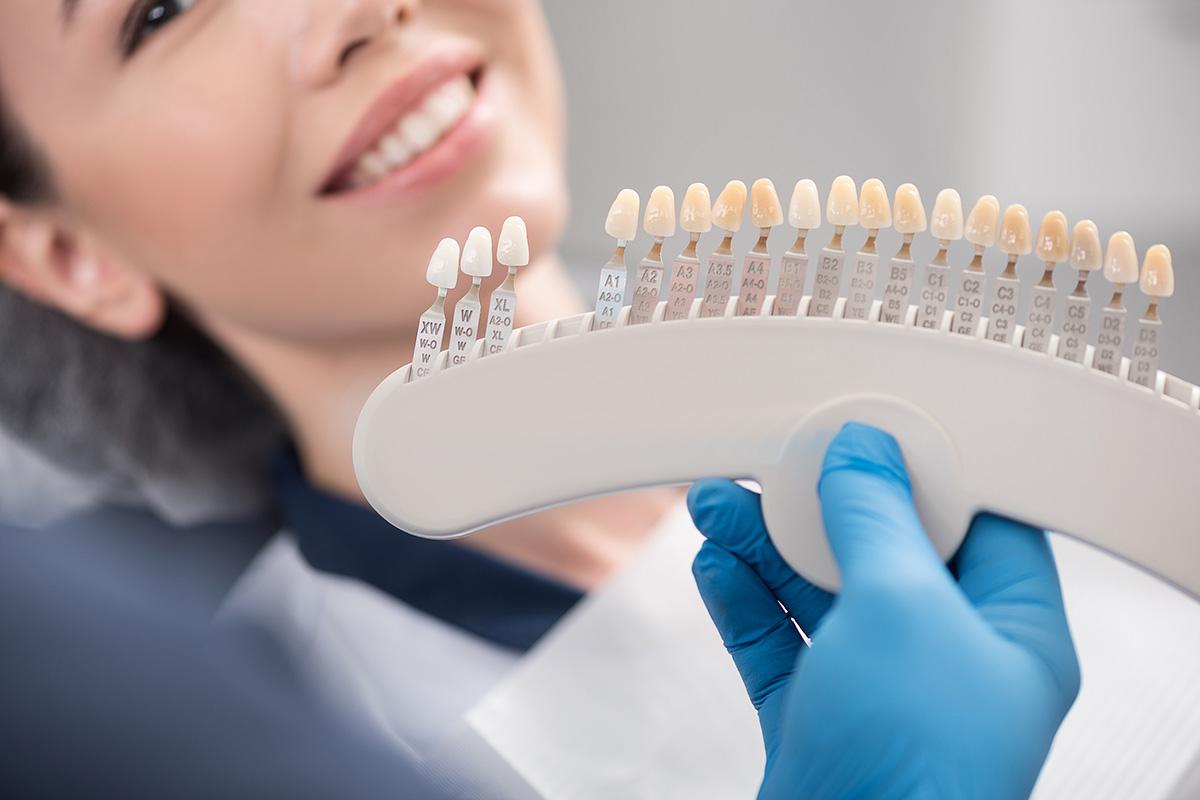
Choosing the right cosmetic dentistry treatment can feel overwhelming, especially when you’re trying to achieve a flawless smile. Among the most common options, Composite Veneers In Dubai and porcelain veneers stand out as two highly effective solutions for improving dental aesthetics. Both treatments can transform discolored, chipped, uneven, or slightly misaligned teeth into a confident, natural-looking smile. However, they differ significantly in terms of durability, procedure, maintenance, and long-term expectations. Understanding these differences is essential before making a decision that aligns with your goals, lifestyle, and dental health.
A Quick Breakdown of Composite Veneers and Porcelain Veneers:
Composite veneers are created using a tooth-colored composite resin that is applied directly to the teeth and sculpted by a cosmetic dentist. This direct bonding technique allows for immediate results and minimal alteration of the natural tooth structure. In contrast, porcelain veneers are thin shells made from high-quality ceramic material, custom-designed in a dental laboratory and then bonded to the front of the teeth. They require more preparation and typically involve multiple dental visits, but they are known for their superior strength and stain resistance.
How Each Option Enhances Your Smile Aesthetics?
Both composite and porcelain veneers are designed to improve smile aesthetics, but they achieve results in slightly different ways. Composite veneers offer flexibility in shaping and contouring, making them ideal for subtle corrections such as small gaps, chipped teeth, or minor alignment issues. They can be adjusted easily during the procedure, giving dentists more control over the final appearance.
Porcelain veneers, on the other hand, are crafted with precision to mimic the natural translucency of enamel. This makes them particularly effective for achieving a highly polished, uniform smile. Their ability to reflect light similarly to natural teeth gives them a more lifelike appearance, especially in cases involving significant discoloration or uneven tooth surfaces.
Procedure Experience: What You Can Expect in the Chair
The treatment process is one of the most noticeable differences between the two options. Composite veneers are typically completed in a single appointment. The dentist prepares the tooth surface, applies the composite material, sculpts it into shape, and hardens it using a curing light. This quick turnaround makes it a convenient choice for those seeking immediate smile enhancement.
Porcelain veneers require a more detailed process. During the first visit, the dentist removes a small amount of enamel to prepare the teeth and takes impressions for custom fabrication. Temporary veneers may be placed while the permanent ones are being created. In a second appointment, the final veneers are bonded to the teeth. While this process takes longer, it allows for highly customized results.
Durability and Longevity Compared:
When it comes to longevity, porcelain veneers have a clear advantage. They are highly durable and can last ten to fifteen years or more with proper care. Their resistance to staining and wear makes them a long-term solution for maintaining a bright smile.
Composite veneers, while still durable, generally last between five to seven years. They are more prone to chipping and staining over time, especially if exposed to certain foods, beverages, or habits like teeth grinding. However, they can be easily repaired or touched up, which adds to their practicality.
Maintenance and Daily Care Requirements:
Both types of veneers require good oral hygiene, but there are slight differences in maintenance. Composite veneers may need more attention to prevent staining, as the resin material is more porous than porcelain. Avoiding coffee, tea, and tobacco can help preserve their appearance.
Porcelain veneers are more resistant to discoloration, making them easier to maintain in terms of color stability. However, they still require regular brushing, flossing, and dental check-ups to ensure long-term success. Regardless of the option chosen, maintaining healthy gums and natural teeth is essential for supporting the veneers.
Cost Considerations Without Compromise:
Although pricing varies depending on individual cases, composite veneers are generally considered more affordable upfront compared to porcelain veneers. This makes them accessible to a broader range of patients seeking cosmetic dental improvements.
Porcelain veneers, while requiring a higher initial investment, offer longer-lasting results and greater durability. For many patients, this balance between cost and longevity becomes a key factor in decision-making.
Suitability Based on Dental Needs:
The choice between composite and porcelain veneers often depends on the condition of your teeth and the extent of correction needed. Composite veneers are ideal for minor cosmetic issues, such as small chips, gaps, or mild discoloration. They are also suitable for patients who prefer a reversible and less invasive treatment.
Porcelain veneers are better suited for more significant transformations, including severe staining, worn enamel, or uneven tooth shapes. They provide a more permanent solution and are often recommended for patients seeking a dramatic smile makeover.
Pros and Cons at a Glance:
Composite veneers offer advantages such as quick application, minimal tooth preparation, and easy repair. However, they may require more maintenance and have a shorter lifespan. Porcelain veneers provide superior durability, stain resistance, and a highly natural appearance, but they involve a more complex procedure and are less easily reversible.
Understanding these pros and cons helps patients weigh their priorities, whether it’s convenience, longevity, or overall aesthetic results.
Lifestyle Factors That Influence Your Choice:
Your daily habits and lifestyle can play a significant role in determining which option is best for you. If you frequently consume staining foods or beverages, porcelain veneers may be a better choice due to their resistance to discoloration. If you prefer a quicker, less invasive procedure with flexibility for future changes, composite veneers may be more suitable.
For individuals who grind their teeth or engage in activities that put stress on their teeth, additional protective measures like night guards may be necessary regardless of the chosen material.
The Psychological Value of a Confident Smile:
Beyond the technical differences, both composite and porcelain veneers offer a powerful boost in self-confidence. A well-designed smile can improve how you present yourself in social and professional settings. Many patients find that investing in their smile leads to increased comfort in communication and a more positive self-image.
This emotional benefit often becomes the most meaningful outcome of cosmetic dentistry, reinforcing the importance of choosing the right treatment.
Making the Right Decision for Your Smile Goals:
Selecting between Composite Veneers and porcelain veneers ultimately comes down to your personal preferences, dental condition, and long-term expectations. If you value convenience, affordability, and a minimally invasive approach, composite veneers may be the right choice. If you prioritize durability, stain resistance, and a highly refined appearance, porcelain veneers could be the better option.
Consulting with a qualified cosmetic dentist is essential to evaluate your specific needs and determine the most suitable treatment plan.
Final Insight: A Smile That Reflects You
Both composite and porcelain veneers offer effective paths to achieving a beautiful smile. Each option has its strengths, and neither is universally better than the other. The key lies in understanding how each aligns with your lifestyle, expectations, and dental health.
By making an informed choice, you can achieve a smile that not only looks great but also feels natural and lasting, enhancing your confidence and overall quality of life.
Categorias
Leia Mais
Hello everyone! ❤️ My name is Sara, I'm from Dubai, and I'm 23 years old. I just arrived in Dubai for the first time. ❤️ 😍 I'm an elegant and friendly girl, and I love to chat. I will offer you exceptional service, and we will have an unforgettable time. You will never forget the moments spent in my company. 😍 😘 I will prove it to you when we meet. Perhaps we will see each other again next time...

The UK government is actively exploring new measures to enhance online safety for young users, with a particular focus on regulating tools like virtual private networks (VPNs). A comprehensive three-month consultation has been launched, aiming to gather insights from various stakeholders including parents, tech firms, safety organizations, and youth representatives. This initiative seeks to...

Global Excavators Market to Reach USD 98.74 Billion by 2033 at 6.1% CAGR | Smart Industrial Transformation and AI-Driven Construction Equipment Boom Accelerate Future of Heavy Machinery The Global Excavators Market is witnessing rapid transformation as infrastructure modernization, smart construction technologies, and sustainable industrial equipment demand reshape the future of heavy...

Executive Summary Inflammatory Disease Drug Delivery Market Opportunities by Size and Share Data Bridge Market Research analyses that the inflammatory disease drug delivery market will exhibit a CAGR of around 7.80% for the forecast period of 2021-2028. Inflammatory Disease Drug Delivery Market research report is a verified and consistent source of information that puts forth a...

Polaris Market Research has announced the latest report, namely Bottle Filling Machine Market Share, Size, Trends, Industry Analysis Report, By Bottle Type (PET Bottles, Glass Bottles, and Others); By Automation; By Application; By Region; Segment Forecast, 2023 – 2032, that examines the overall market condition both now and in the future. It provides comprehensive and accurate...