The Mechanics of Military Mortgages: An Analytical Breakdown

Analyzing the financial landscape for military members reveals a system that is fundamentally different from the civilian market. While private sector lending often prioritizes high down payments and strict equity requirements, the government-backed approach focuses on accessibility and service-based merit. One significant variable in this equation is the va funding fee, which acts as a form of risk mitigation for the lender while providing the borrower with the ability to secure a loan with no money down. When we look at the data, we see a program that leverages a one-time administrative cost to eliminate the need for ongoing monthly mortgage insurance, a trade-off that significantly impacts the long-term cost of borrowing.
To truly understand the value proposition of these benefits, we must analyze the interaction between federal regulations and the private lending market. The government does not actually issue the money; instead, it provides a guarantee to private banks. This guarantee reduces the risk for the bank, which in turn allows them to offer more competitive rates. However, the strength of this guarantee is tied directly to the borrower's verified status, making the initial documentation phase a critical point of analysis for any prospective homeowner. By examining the components of this system, from eligibility to borrowing limits and refinancing, we can see how the program creates a unique pathway to stability.
Evaluating the Documentation of Entitlement
The entire financial structure of a military mortgage rests on a single point of verification. The certificate of eligibility is the analytical proof of concept that allows a lender to proceed with specialized terms. This document translates years of service into a specific dollar amount of entitlement, which is the maximum amount the government will pay the lender if the borrower defaults. For analysts, this entitlement is the core asset. It represents the government’s commitment to the individual, and its presence or absence dictates whether a loan file can be categorized as a standard mortgage or a specialized military product.

We can categorize the requirements for this verification based on the nature of the service performed. The data shows that the requirements differ between those who served in active conflict versus those who served during peacetime or in a reserve capacity. Understanding these distinctions is essential for a precise analysis of one's borrowing timeline.
Service Requirement Comparison Table
|
Service Era/Type |
Active Duty Requirement |
Required Documentation |
|
Wartime (Active) |
90 continuous days |
DD Form 214 |
|
Peacetime (Active) |
181 continuous days |
DD Form 214 |
|
Guard/Reserves |
6 years or 90 days (Title 32) |
NGB Form 22/23 |
|
Active Duty (Current) |
90 continuous days |
Statement of Service |
An Analysis of Upfront Costs and Long-Term Savings
When we analyze the "all-in" cost of a mortgage, we must look at both the upfront expenses and the monthly obligations. The administrative fee mentioned earlier is a key factor in this analysis. While it may seem like a large sum initially, it is often a better financial move than paying for Private Mortgage Insurance (PMI) every month. For a standard $400,000 loan, a 2.15% fee equals $8,600. In contrast, PMI on a conventional loan could cost $200 to $300 every single month for several years. Over a five-year period, the military benefit can save a homeowner thousands of dollars in recurring costs, making the upfront fee a much more efficient use of capital.
-
Exemptions exist for those with service-connected disabilities, further improving the cost-benefit analysis.
-
The fee can be financed into the loan, preserving the borrower’s liquid cash.
-
Subsequent use of the benefit incurs a higher fee, reflecting the program's focus on helping first-time buyers.
-
The absence of a down payment requirement allows for immediate entry into the market without years of saving.
Market Dynamics and Evolving Borrowing Power
A significant shift in the analytical framework occurred with the removal of federal maximums for many borrowers. Previously, the va loan limits acted as a ceiling that restricted veterans in expensive real estate markets. For 2026, the baseline limit for most of the country has risen to $832,750, while high-cost areas can see limits as high as $1,249,125. However, for veterans with their full entitlement intact, these numbers are largely irrelevant for the government’s guarantee. This change has fundamentally altered the purchasing power of the military community, allowing them to compete in high-tier markets with the same favorable terms usually reserved for entry-level homes.
This expansion of power requires a more sophisticated analysis of the borrower's "residual income." Unlike conventional lenders who focus strictly on debt-to-income (DTI) ratios, this program looks at the money left over after all major expenses are paid. This ensures that the borrower can not only afford the house but also the daily costs of living. This "safety-first" analytical approach is one reason why these mortgages historically have lower default rates than many other loan types, even with zero down payment.
Efficiency in Refinancing: The Streamline Approach
The final stage of our analysis involves the "post-purchase" financial strategy. When market conditions shift and interest rates decline, the program offers a highly efficient way to capture those savings. The va irrrl is designed for speed and simplicity. By stripping away the need for a full credit check and a new appraisal, the government allows the borrower to pivot quickly to a lower interest rate. This reduces the friction of refinancing and ensures that the veteran's housing costs remain as low as possible throughout the life of the loan.
Refinance Comparison: Streamline vs. Cash-Out
|
Feature |
Streamline (IRRRL) |
Cash-Out Refinance |
|
Administrative Fee |
0.5% |
2.15% - 3.3% |
|
New Appraisal |
Typically No |
Yes |
|
Income Verification |
Typically No |
Yes |
|
Maximum LTV |
Up to 120% in some cases |
Usually 90% - 100% |
Synthesizing the Data for Smart Ownership
In conclusion, the data supports the idea that the military housing benefit is one of the most effective financial tools available to any consumer. By combining zero-down entry, the removal of monthly insurance, and a streamlined path to lower rates, the program creates a unique environment for wealth building. Whether we look at the initial verification via a specific service document or the long-term management of the loan through a streamline refinance, every step is calculated to favor the borrower. For the analytical veteran, the choice is clear: this benefit offers a level of leverage and security that simply cannot be found in the traditional civilian mortgage market.
As you move forward, remember that an analytical approach to your home purchase will always yield better results. Don't just look at the monthly payment; look at the total cost of the loan over time and how these specific military tools can work together to protect your financial future. Your service has given you access to a superior financial product; using it wisely is the next mission in your journey toward homeownership.
Κατηγορίες
Διαβάζω περισσότερα
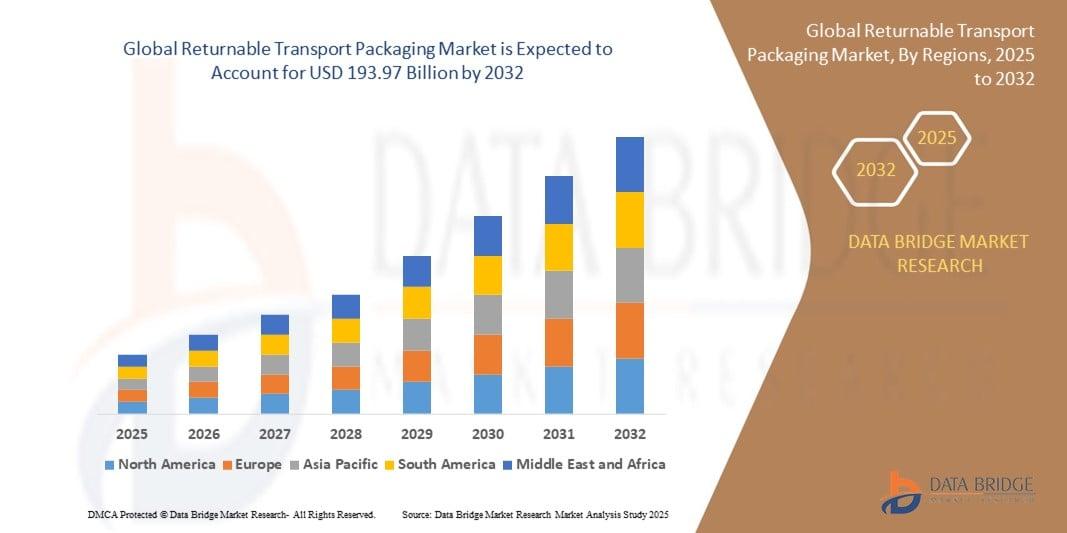
"Returnable Transport Packaging Market Summary: According to the latest report published by Data Bridge Market Research, the Returnable Transport Packaging Market The global returnable transport packaging market size was valued at USD 122.62 billion in 2024 and is expected to reach USD 193.97 billion by 2032, at a CAGR of 5.90% during the forecast period...
Benefits of Using Certification Exam Preparation Material Certification exams help people grow in their careers. They help you get better jobs. They also help you earn more money. Many students want to pass the OG0-093 exam on the first attempt. This exam is offered by The Open Group. However, exam preparation can feel difficult. There are many books to read and many topics to cover. This is...

" Medical Morphine Market Summary" According to the latest report published by Data Bridge Market Research, the Medical Morphine Market The Global Medical Morphine Market was valued at USD 24.1 billion in 2024 and is expected to reach USD 48.6 billion by 2032 During the forecast period of 2025 to 2032 the market is likely to grow at a CAGR of...

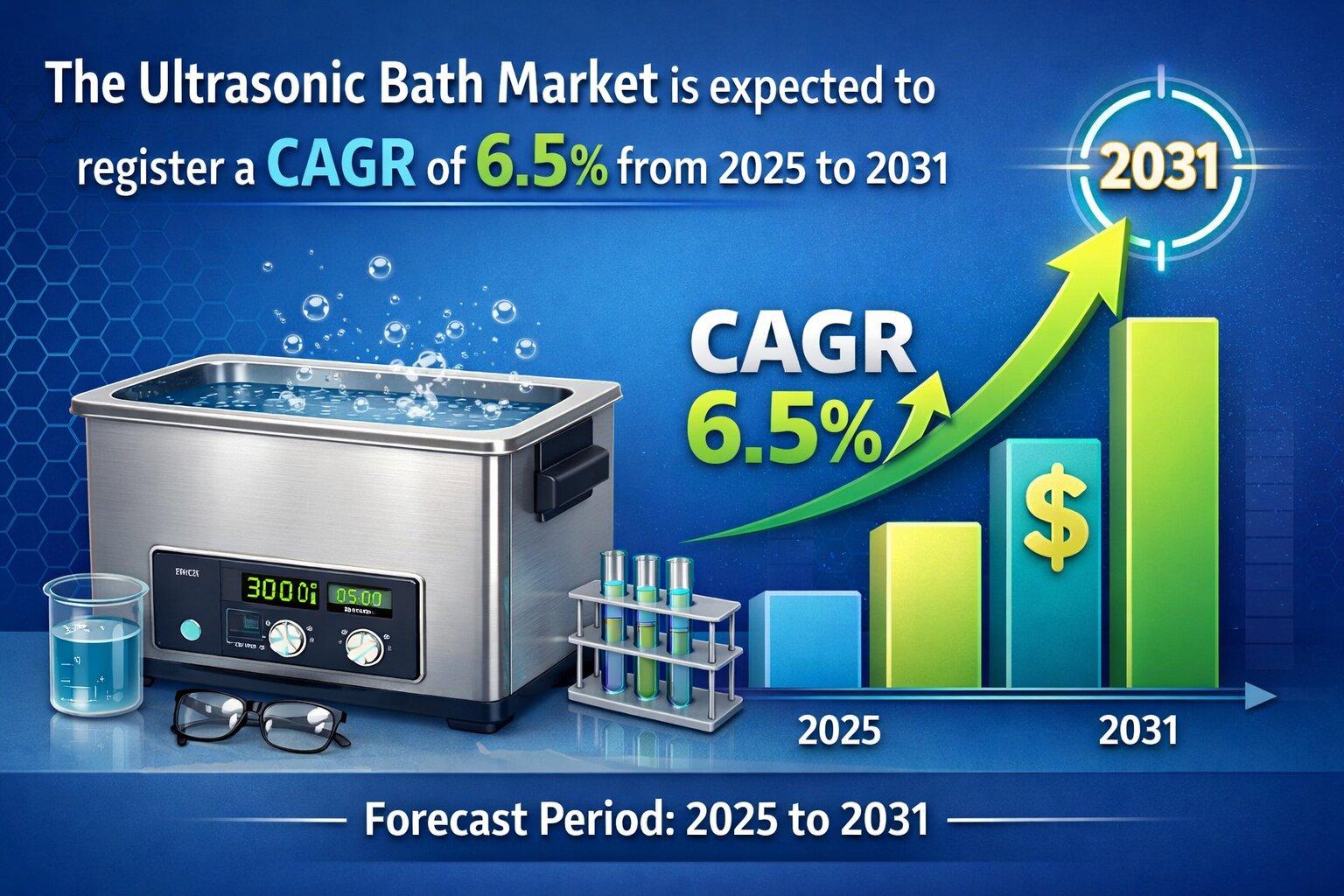
The Ultrasonic bath equipment plays a vital role in precision cleaning by using cavitation technology to eliminate particles, grease, and residues from complex surfaces without causing damage. Ultrasonic Bath Market Set for Steady 6.5% CAGR Growth The Ultrasonic Bath Market is projected to register a CAGR of 6.5% during 2025 to 2031, reflecting steady expansion driven by...
Global Passive Daytime Radiative Cooling (PDRC) Market is experiencing transformative growth, with a valuation reaching USD 107 million in 2023 and projected to expand at an impressive CAGR of 14.40%, achieving approximately USD 359.10 million by 2032. This accelerated growth is driven by urgent global demand for energy-efficient cooling solutions and sustainable urban infrastructure...