


Why Your Thread Mill Is Not Working Properly (Fix It Now)
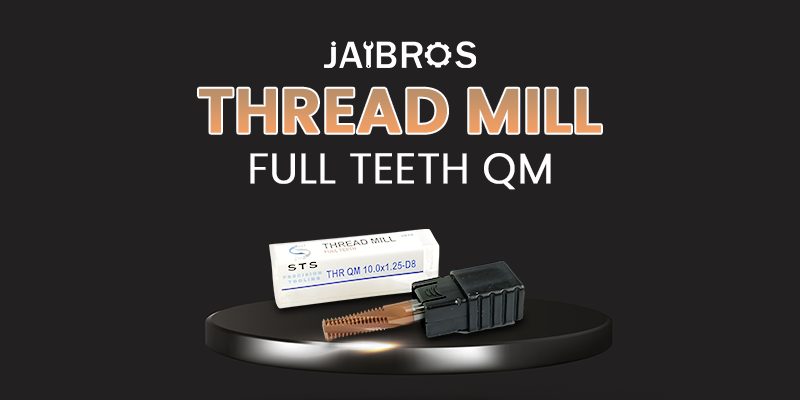
Why Your Thread Mill Is Not Working Properly and How to Fix It Fast
Thread milling is one of the most precise and flexible methods for creating threads in CNC machining. It offers better control, improved surface finish, and the ability to handle a wide range of materials. However, despite its advantages, many machinists face issues where the tool does not perform as expected.
If your thread mill is not working properly, it can lead to inaccurate threads, poor surface finish, increased tool wear, and even tool breakage. These problems not only affect product quality but also increase production costs and downtime.
In this blog, we will explore the common reasons why thread milling fails and provide practical solutions to fix these issues quickly and effectively.
Understanding Thread Milling
Thread milling is a machining process that uses a rotating cutting tool to create threads in a workpiece. Unlike tapping, which forms threads in a single motion, thread milling allows greater flexibility and precision.
A thread mill works by following a helical path inside or outside the workpiece, gradually cutting the thread profile. This process is widely used in industries where accuracy and consistency are critical.
Modern cnc tools used for thread milling are designed to handle complex operations with high efficiency. However, improper setup or incorrect tool selection can lead to performance issues.
Common Problems with Thread Milling
1. Incorrect Tool Selection
One of the most common reasons for poor performance is choosing the wrong thread mill for the job. Different materials and thread types require specific tools.
Using the wrong thread mill tool can result in poor thread quality and excessive wear. Always ensure that the tool matches the material and thread specifications.
2. Improper Cutting Parameters
Cutting speed, feed rate, and depth of cut play a crucial role in thread milling. Incorrect parameters can cause tool vibration, overheating, and poor thread formation.
A poorly configured thread mill will struggle to produce accurate threads. Adjusting cutting parameters according to the material and tool specifications is essential.
3. Tool Wear and Damage
Over time, tools wear out due to friction and heat. A worn-out thread milling cutter cannot maintain its cutting edge, leading to inaccurate threads and rough finishes.
Regular inspection of thread mill tools is necessary to ensure they are in good condition. Replacing worn tools at the right time prevents machining errors.
4. Poor Tool Alignment
Alignment is critical in thread milling. If the tool is not properly aligned with the workpiece, it can cause uneven threads and tool breakage.
A misaligned thread mill will not follow the correct path, resulting in defective threads. Proper setup and alignment are essential for accurate machining.
5. Machine Rigidity Issues
Machine stability plays a significant role in thread milling performance. A weak or unstable setup can cause vibrations, affecting thread quality.
Using a stable thread milling machine tool ensures consistent performance and better results.
6. Chip Removal Problems
Poor chip evacuation can lead to tool clogging and overheating. Chips stuck in the cutting area can damage both the tool and the workpiece.
Ensuring proper chip removal helps the thread mill operate smoothly and efficiently.
7. Incorrect Programming
Thread milling requires precise programming to follow the correct helical path. Errors in programming can lead to incorrect thread dimensions.
A properly programmed thread mill ensures accurate and consistent thread production.
How to Fix Thread Milling Issues
1. Choose the Right Tool
Always select the correct thread mill based on material, thread size, and application. Using high-quality thread mill tools improves performance and durability.
2. Optimize Cutting Parameters
Adjust speed, feed rate, and depth of cut according to the tool and material. Proper parameters reduce wear and improve thread quality.
3. Inspect Tools Regularly
Check tools for wear and damage before starting operations. Replacing a worn thread milling cutter ensures consistent results.
4. Ensure Proper Alignment
Make sure the tool is aligned correctly with the workpiece. Proper alignment reduces errors and improves accuracy.
5. Improve Machine Stability
Use rigid setups and secure fixtures to minimize vibration. A stable thread milling machine tool enhances machining performance.
6. Use Coolant Effectively
Coolants help reduce heat and improve chip removal. This extends tool life and ensures smooth operation.
7. Verify Programming
Double-check CNC programs to ensure accurate tool paths. Correct programming is essential for successful thread milling.
Benefits of Proper Thread Milling
When done correctly, thread milling offers several advantages:
-
High precision and accuracy
-
Better surface finish
-
Reduced tool breakage
-
Flexibility for different thread sizes
-
Improved tool life
A properly functioning thread mill ensures efficient and reliable machining operations.
Common Mistakes to Avoid
-
Using incorrect tools
-
Ignoring tool wear
-
Setting wrong cutting parameters
-
Poor alignment
-
Inadequate chip removal
Avoiding these mistakes helps maintain the performance of your treadmill and improves overall productivity.
Future of Thread Milling Technology
Thread milling is evolving with advancements in materials, coatings, and CNC programming. Modern tools are designed to handle higher speeds and tougher materials.
Innovations in cnc tools are making thread milling more efficient and reliable. Smart tools and automated systems are further improving accuracy and reducing human error.
Conclusion
Thread milling is a powerful machining process, but it requires proper setup, tool selection, and maintenance to deliver optimal results. If your thread mill is not working properly, identifying the root cause and applying the right solutions can quickly resolve the issue.
By choosing the right tools, optimizing parameters, and maintaining proper alignment, manufacturers can achieve high-quality threads and improve productivity.
At Jaibros, we provide reliable machining solutions for modern industries. Our platform offers a wide range of high-quality cnc tools, including advanced thread mill tool options designed for precision and durability. Whether you are looking for thread mill tools or high-performance cutting solutions, Jaibros is your trusted partner for quality and efficiency.
FAQs
1. Why is my thread mill producing inaccurate threads?
This can be due to incorrect tool selection, improper cutting parameters, or poor alignment.
2. How often should I replace a thread milling cutter?
Replace the tool when you notice wear, poor thread quality, or reduced cutting performance.
3. What is the advantage of thread milling over tapping?
Thread milling offers better control, flexibility, and reduced risk of tool breakage.
4. How can I improve thread milling performance?
Use the right tool, optimize cutting parameters, ensure proper alignment, and maintain the machine.
5. Can thread milling be used for all materials?
Yes, thread milling can be used for a wide range of materials, provided the correct tool and parameters are used.
Категории
Больше
The Plant-Based Food Ingredients Market is experiencing significant growth as consumers increasingly shift toward healthier, sustainable, and plant-based dietary choices. According to recent market analysis, the market was valued at USD 10.87 Billion in 2025 and is expected to reach USD 26.42 Billion by 2033, expanding at a CAGR of 11.75% during the forecast period from 2026 to 2033....

When it comes to improving the durability and value of a property, choosing the right roofing material is one of the most important decisions. A strong roof protects the building from harsh weather conditions, enhances its appearance, and reduces long-term maintenance costs. In coastal regions like Mangalore, where buildings face heavy rainfall, humidity, and salty air throughout the year,...

In the world of high-performance sedans, not all muscle cars announce themselves with racing stripes, hood scoops, or thunderous exhaust notes. Some arrive in a tailored suit, whisper instead of roar, and still deliver a punch that pins you firmly into the seat. Back in the late 2000s, Japan quietly unleashed just such a machine: the Lexus GS 460. It was a rear-wheel-drive luxury sedan armed...

Slimjara Germany:-In Deutschland gewinnt ein bewusster und gesunder Lebensstil zunehmend an Bedeutung. Immer mehr Menschen achten auf ihre ErnährungFB>>https://www.facebook.com/SlimjaraDEhttps://www.facebook.com/groups/slimjaraofficialhttps://www.facebook.com/groups/slimjaraerfahrungenhttps://www.facebook.com/groups/slimjarakapselnBlogs>>...

To get a quicker response from Expedia, 1-866-855-0041(USA) use the Expedia Mobile App chat feature, which typically connects you to a live agent in 10 to 30 minutes. Alternatively, call their customer service line 1-866-855-0041 (US) during off-peak hours (Tuesday to Thursday, early mornings). To 1-866-855-0041(US) or 1-866-855-0041 (UK),secure a quick airline response from Expedia, always use...